
Pressure Washing in Middlesex County, MA
Middlesex County packs more architectural variety into one county than almost anywhere in New England, and each surface weathers in its own way. In the dense inner core of Cambridge, Somerville, and Medford, triple-decker clapboard and painted trim collect traffic soot, exhaust film, and the green cast of algae on shaded north walls. Lowell's red-brick textile mills and downtown blocks carry well over a century of carbon staining and efflorescence, while the antique cedar clapboard of Revolutionary-era Lexington and Concord grays and grows lichen under mature oak and maple. Newton's leafy 'Garden City' streets keep roofs damp and shaded, feeding black Gloeocapsa magma streaks, and the humidity rising off the Merrimack, Concord, and Charles rivers only speeds organic growth countywide.
Craft Bros Exterior Cleaning is a soft-washing specialist rooted in Longmeadow and Hampden County, out in Western Massachusetts's Pioneer Valley, and we extend the same careful, surface-specific approach east into Greater Boston and the MetroWest corridor. We lead with gentle, low-pressure soft washing matched to each material — delicate cedar and antique brick call for a very different touch than durable concrete or vinyl — so buildup is cleared without blasting fragile surfaces. We do not keep a local office or crew stationed in Middlesex County, so if you are here, reach out to confirm current scheduling in your area and we will be straight with you about when we can reach your town.
A landlocked, river-drained county of extremes — dense urban brick and triple-deckers in the Cambridge and Somerville core, historic textile-mill masonry in Lowell, affluent leafy Newton, and weathered colonial cedar in Revolutionary-era Lexington and Concord — where soot, deep shade, and river-valley humidity each leave their own kind of buildup on an exterior.

Why Do Exteriors Get So Dirty in Middlesex County?
Middlesex County sits in a humid-continental climate: warm, muggy summers that push into the 80s, cold and snowy winters, and steady precipitation across all four seasons. That mix of summer humidity and long, damp shoulder seasons is exactly what airborne algae, moss, and mildew need to take hold and spread across a building's exterior.
The county's geography concentrates the problem. It is drained by the Merrimack, Concord, Sudbury, Assabet, Nashua, Charles, and Mystic rivers, and that river-valley moisture keeps the air damp and north-facing walls slow to dry. Add the mature oak and maple canopy that shades so many streets — from Newton's leafy blocks to the older neighborhoods of Arlington and Winchester — and you get surfaces that rarely see the direct sun and airflow they need to stay clean.
In the dense urban core around Cambridge, Somerville, and Medford, traffic soot and exhaust film settle onto clapboard and trim on top of that organic growth. The result across the county is a familiar layering: black roof streaks, green algae on siding, and gray-green moss and lichen wherever shade and moisture linger.
From Cambridge Brick to Concord Cedar: A County of Many Surfaces
Few counties in New England pack in as much architectural range as Middlesex, which holds more National Register of Historic Places listings than any other county in the United States. That history shows up on the walls, and each material weathers differently and needs a different touch.
In Lowell — the nation's first planned industrial city — and across downtown Cambridge, you find more than a century of red-brick mills, row houses, and commercial blocks. Antique brick and soft lime mortar can be damaged by high pressure, which erodes mortar joints and drives water into the wall, so masonry like this calls for low-pressure, solution-first cleaning rather than blasting.
The Revolutionary-era towns of Lexington, Concord, Bedford, and Carlisle are full of colonial and Federal homes with cedar clapboard and hand-split shingles, alongside Greek Revival and Colonial Revival houses. Natural and painted cedar is soft and easily furred or gouged by a pressure wand, so siding and wood detail get soft washing only.
The triple-deckers of Somerville and Medford, the Victorians and Colonial Revivals of Newton's 'Garden City,' and the postwar vinyl-sided ranches and capes of Framingham, Natick, and Burlington each ask for their own approach. Vinyl tolerates a controlled soft wash, while durable concrete and paver hardscape can take measured pressure.
The Common Exterior Problems Across Middlesex County
Black streaks on the roof are usually Gloeocapsa magma, a blue-green algae that feeds on the limestone filler in asphalt shingles. It spreads on shaded, north-facing slopes and cannot be scrubbed off with pressure without stripping the granules that protect the shingle — the reason roofs are soft washed with a solution that kills the organism at the root instead.
Green and gray growth on siding — algae, mildew, moss, and lichen — thrives on the damp, shaded walls that river humidity and tree canopy create. On masonry you also see efflorescence, the chalky white salt bloom that migrates to the brick surface, and on older mill and downtown facades, decades of carbon and soot staining.
Down at ground level, brick walkways, granite steps, and concrete driveways collect the same organic film plus winter road-salt and de-icer residue, which leaves surfaces slick and dingy by spring. Wood and composite decks gray and grow a slippery biofilm, and pollen and tree sap coat everything through the spring months.
When Should You Schedule Exterior Cleaning in New England?
There is no single right week, but the county's seasons do shape the calendar. Spring is a natural reset: it clears winter's salt residue and pollen and the algae that took hold over the damp, cool months, and it gets a house looking sharp for the selling and entertaining season.
Late spring through fall is prime working weather, with the mild temperatures that let cleaning solutions dwell and rinse properly. Many homeowners book a soft wash before a repaint or before listing, since a clean, sound surface is far easier to evaluate and coat.
Fall cleaning has its own logic. Clearing leaf tannin, pollen, and a summer's worth of algae before winter means less organic material sitting wet against your siding and roof through the freeze-thaw months. Because algae and streaking regrow over time, most exteriors here benefit from periodic maintenance rather than a single one-and-done cleaning.
Soft Washing vs. Controlled Pressure — and Why It Matters Here
Soft washing is the core of what we do. It is a low-pressure application of a biodegradable cleaning solution — surfactants with a controlled dose of sodium hypochlorite where appropriate — that kills algae, mold, and mildew at the root rather than just blasting the surface film off. Because it relies on the solution instead of force, it is safe for roofs, cedar and vinyl siding, painted trim, stucco, and historic brick.
Controlled pressure has its place too, but a narrower one. It is the right tool for durable hardscape — concrete driveways and walks, paver patios, and some retaining walls — where the surface can take it and where soft washing alone will not lift ground-in grime.
The mistake we see most often is one pressure setting used on everything. High pressure on an asphalt roof strips protective granules and can void the shingle warranty; on soft cedar it furrs the wood; on antique brick and lime mortar it erodes the joints. Reading the material first and matching the method to the surface is the whole point — it is how you get a genuinely clean exterior without trading a cosmetic result for real damage. Results restore the surface and slow regrowth; they do not make a house permanently immune to the organics that New England's climate keeps sending back.
How Craft Bros Serves Middlesex County
We want to be straight about who we are. Craft Bros Exterior Cleaning is rooted in Longmeadow and Hampden County, out in Western Massachusetts's Pioneer Valley — that is our home ground, not Middlesex County. We do not keep a branch, an office, or a crew stationed here, and we will not pretend otherwise.
What we do offer is the same careful, surface-specific soft-washing and pressure-washing approach, extended east to Middlesex County and its cities and towns — from Cambridge, Somerville, and Newton to Lowell, Framingham, Lexington, and the smaller towns like Acton, Sudbury, and Westford. Coverage and scheduling here are by request, so the honest answer about timing depends on where you are and when you call.
If you own or manage a property anywhere in the county, call (351) 242-0666. We will tell you plainly whether and when we can reach your town, walk you through the right method for your surfaces, and set up a free estimate — without overpromising a local presence we have not built.
Where We Work in Middlesex County
Common Exterior Problems in Middlesex County
- Black Gloeocapsa magma roof streaks on shaded, north-facing slopes across Newton, Arlington, and the county's leafy neighborhoods
- Green algae, mildew, and moss on damp, shaded siding fed by river humidity and heavy tree canopy
- Traffic soot and exhaust film on Cambridge, Somerville, and Medford clapboard and painted trim
- Carbon staining and efflorescence on Lowell's historic red-brick mills and downtown Cambridge masonry
- Graying, lichen, and biofilm on the weathered cedar clapboard and shingles of Lexington and Concord colonials
- Winter road-salt and de-icer residue on brick walkways, granite steps, and concrete driveways
- Slippery gray biofilm and algae on wood and composite decks, plus spring pollen and tree sap countywide
Services Available Across the County
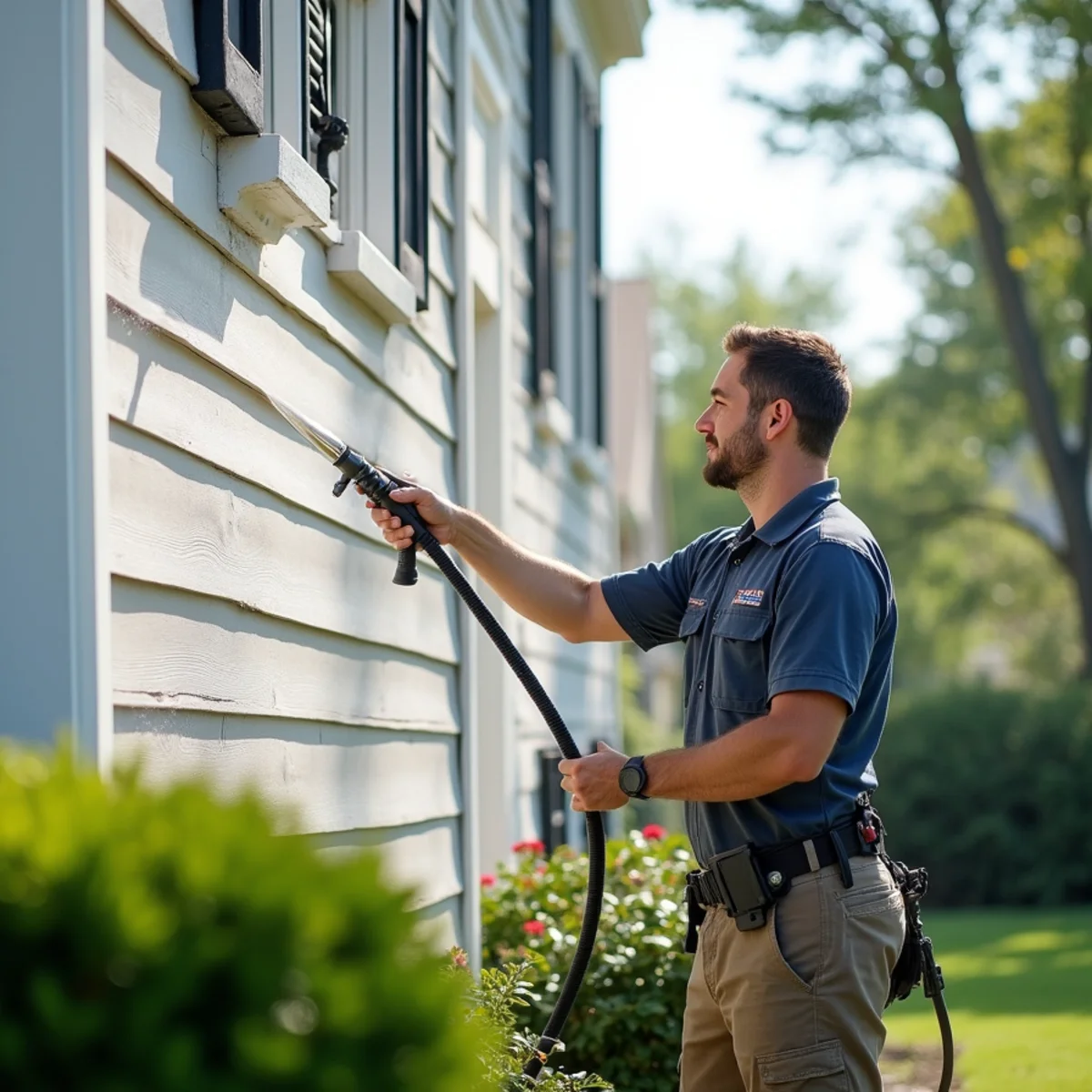
House Washing
Gentle, low-pressure siding cleaning that lifts algae and grime without forcing water behind your siding.
Low-pressure soft washingLearn more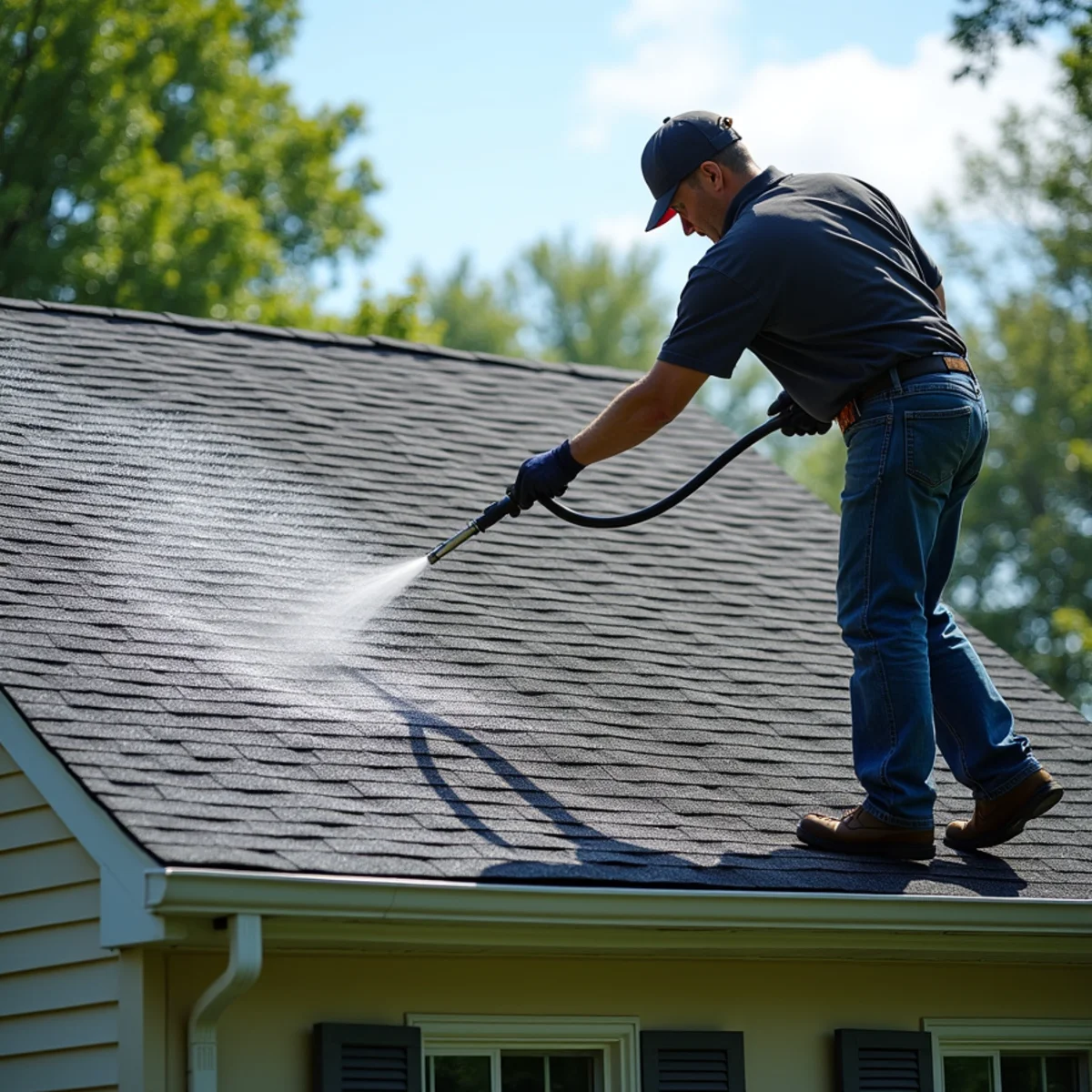
Roof Cleaning
Roof-safe soft washing that removes black streaks, moss, and lichen without ever putting high pressure on your shingles.
Low-pressure soft washingLearn more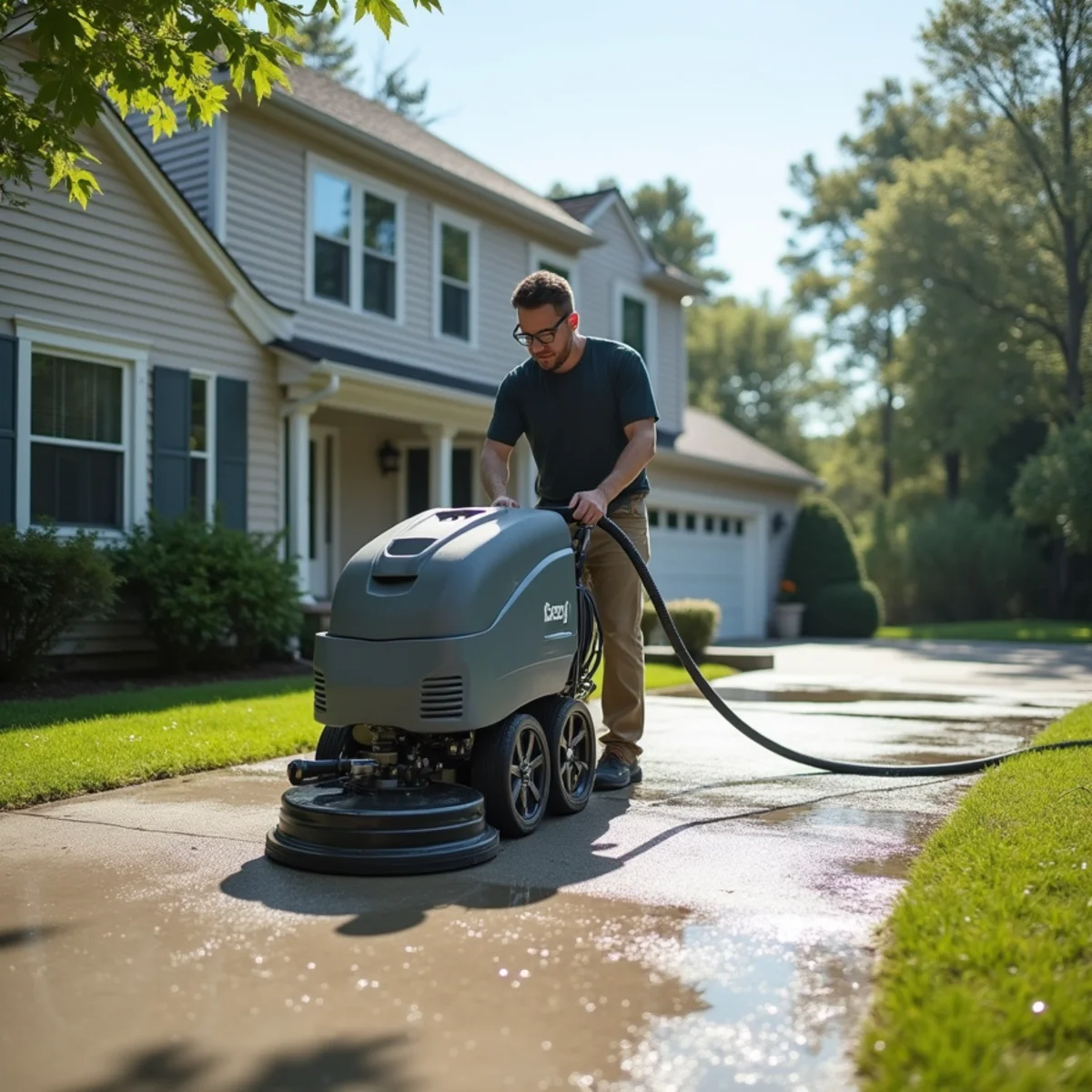
Driveway Cleaning
Even, streak-free concrete cleaning that lifts algae, tire marks, leaf tannin, and winter salt residue from your driveway and hardscape.
Controlled pressure washingLearn more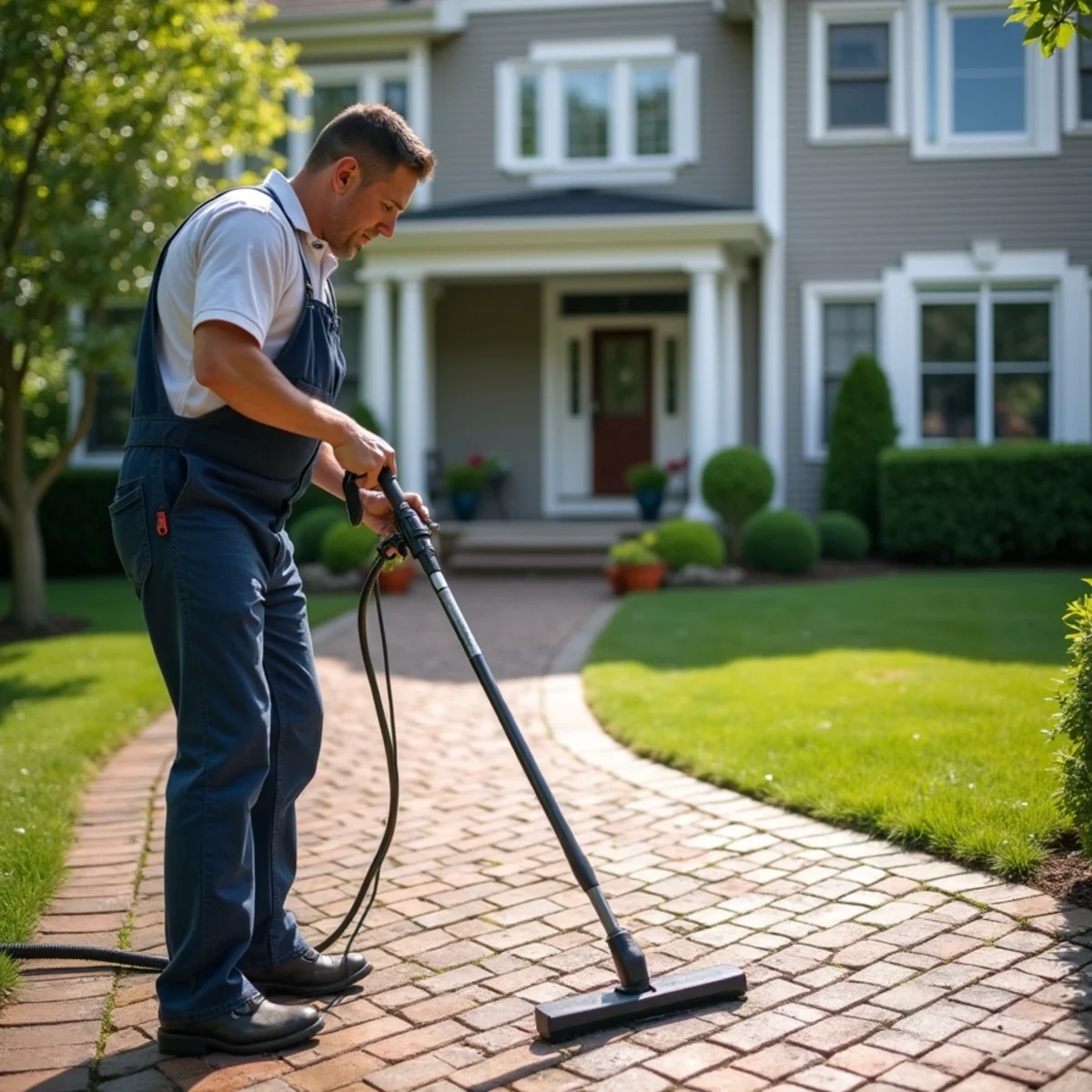
Patio & Walkway Cleaning
Joint-safe cleaning for pavers, brick, and stone that clears moss and organic film without blowing out the sand.
Controlled pressure washingLearn more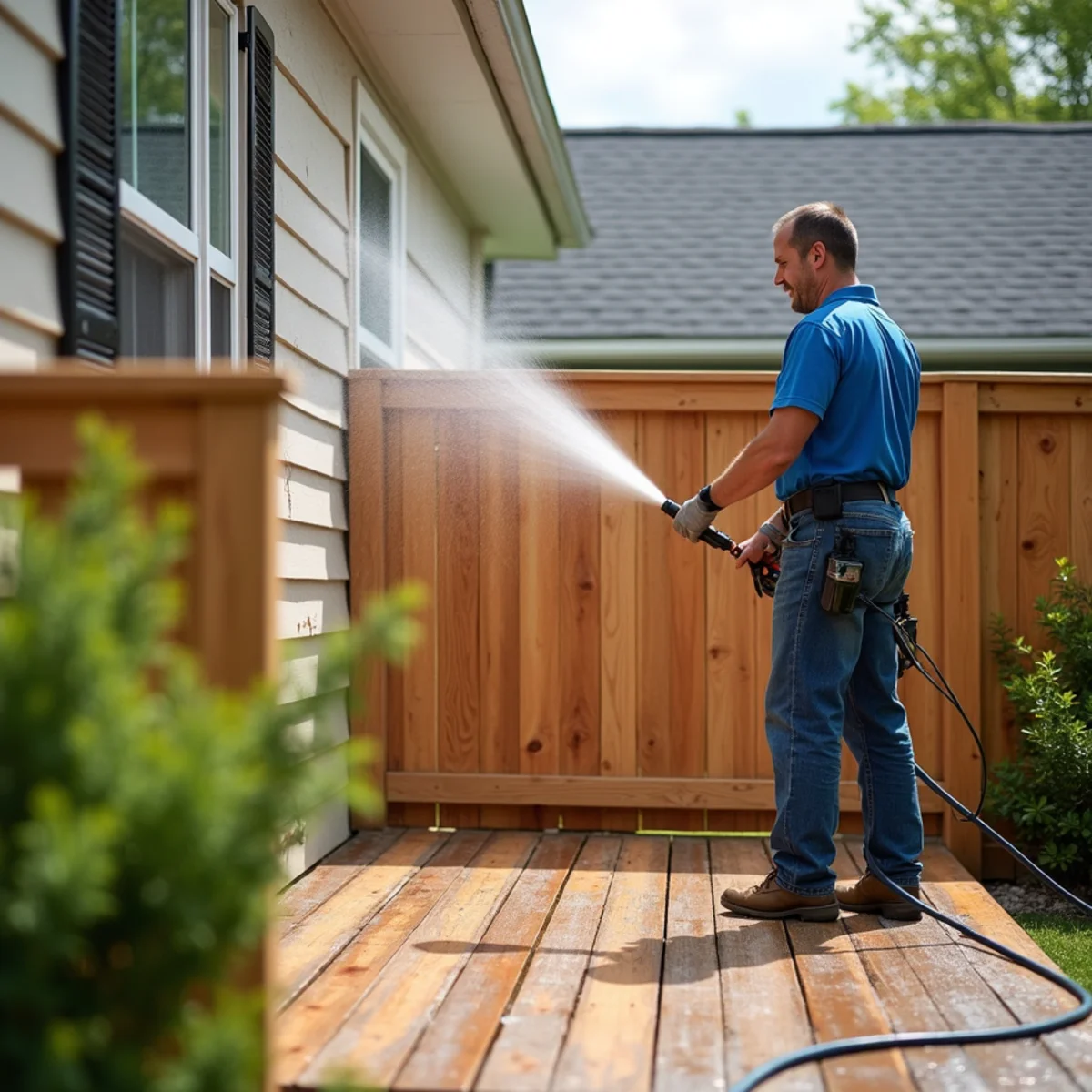
Deck & Fence Cleaning
Wood-safe cleaning that lifts grey weathering and mildew from decks and fences — and preps the wood for sealing.
Low-pressure soft washingLearn more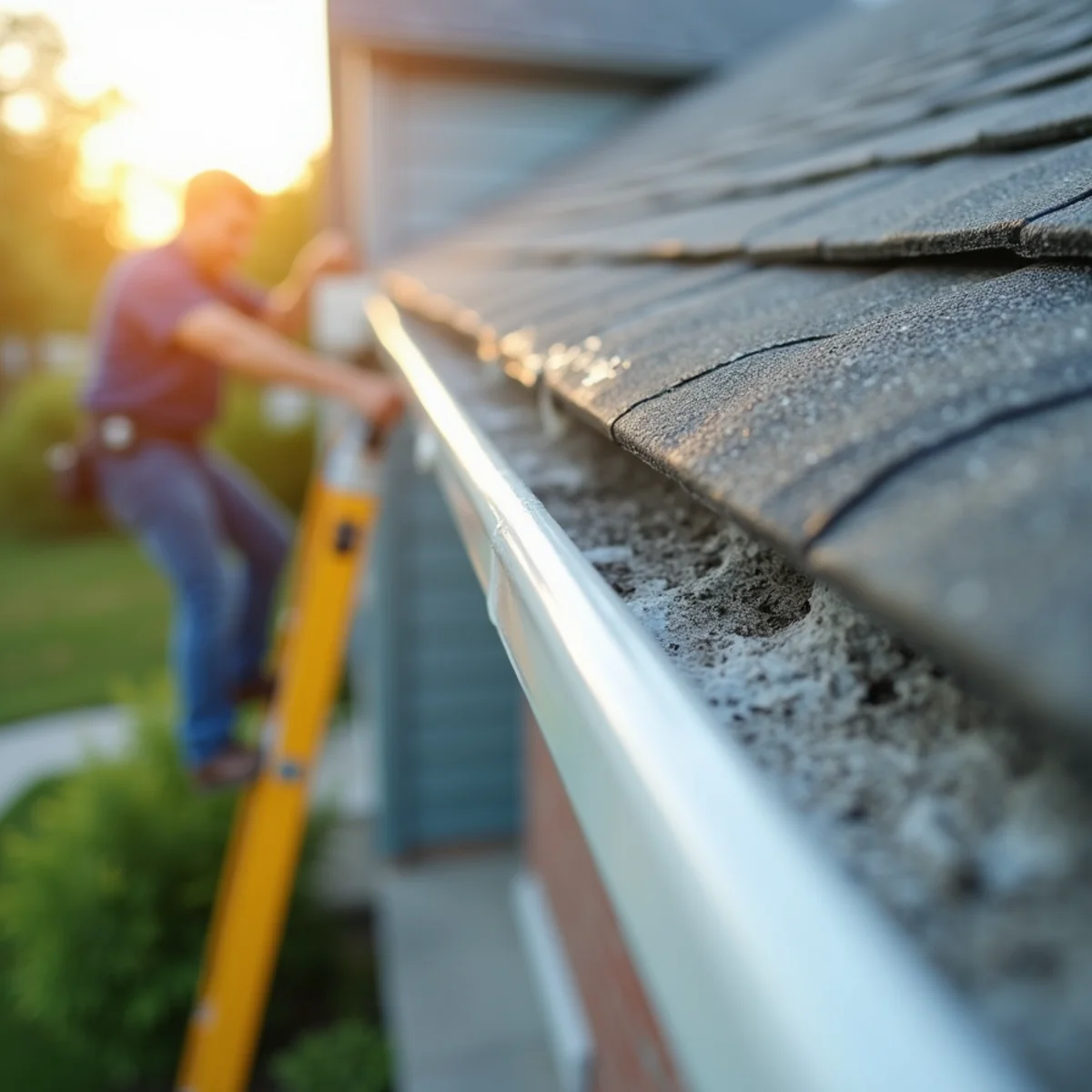
Gutter Cleaning
We clear the debris inside and brighten the black oxidation streaks on the outside — two different jobs, done right.
Low-pressure soft washingLearn more
Soft Washing
Our core specialty: low-pressure, biodegradable cleaning for roofs, siding, and every delicate surface high pressure would ruin.
Low-pressure soft washingLearn more
Commercial Exterior Cleaning
Exterior cleaning for storefronts, offices, multifamily properties, and the property managers who maintain them.
Hybrid (soft-wash pre-treatment + controlled pressure)Learn moreCambridge Brick, Lowell Mill Walls, and Concord Cedar
No single pressure setting fits Middlesex County. The soot-darkened brick of a Cambridge or Lowell facade, the fragile hand-split cedar of an 18th-century Concord farmhouse, and the vinyl siding of a postwar Framingham or Natick ranch each call for a different solution strength and technique. Our approach starts by reading the material, then chooses the gentlest method that will actually work — low-pressure soft washing for siding, roofs, and historic masonry, with controlled pressure reserved for durable hardscape. As a Western-Massachusetts company extending its reach into the Boston metro and the MetroWest corridor, we would rather tell you honestly when we can schedule your area than overpromise a local presence we have not built.
Towns We Cover in Middlesex County
Don't see your town? We serve the whole county — call us to confirm scheduling in your area.
The Right Method for Every Surface
Soft Washing
Low pressure (under 500 PSI) plus a biodegradable solution.
- Roofs & shingles
- Siding (vinyl, wood, fiber cement)
- Stucco & painted surfaces
- Historic wood & antique brick
- Screened porches & trim
Controlled Pressure Washing
Higher pressure matched to durable, hard surfaces.
- Concrete driveways
- Walkways & steps
- Paver & stone patios
- Brick in good condition
- Pool decks & hardscape
Middlesex County FAQs
We extend our soft-washing and pressure-washing service across Middlesex County — from Cambridge, Somerville, Newton, and Medford to Lowell, Framingham, Lexington, Concord, and smaller towns like Acton, Sudbury, and Westford. To be upfront, Craft Bros Exterior Cleaning is rooted in Longmeadow and Hampden County in Western Massachusetts, not based here, so we do not keep a local crew stationed in the county. Coverage and scheduling are by request — call (351) 242-0666 and we will confirm whether and when we can reach your town and set up a free estimate.
Yes — soft washing is the roof-safe method. It applies a cleaning solution at low pressure to kill the black-streak algae and moss common in our river valley, without the high pressure that strips shingle granules. It's the approach aligned with roofing-manufacturer guidance.
We pre-wet all landscaping, cover delicate plants, and rinse thoroughly. Solutions are applied and rinsed following product-specific guidance to protect your plantings — we don't treat any solution as harmless, so careful handling is part of every job.
It depends on the surfaces and the size of your home. As a rough guide, a house wash often takes 2–4 hours, roof cleaning 3–6 hours, and driveways 1–3 hours. We give you a specific estimate during your assessment.
Not necessarily, as long as we have access to water and the areas being cleaned. Many homeowners prefer to be present for the initial walkthrough, but we can complete the work while you're away.
Request an Estimate in Middlesex County
Ready to Refresh Your Middlesex County Property?
Request an estimate for pressure washing or soft washing in Middlesex County and surrounding Massachusetts communities.