
House Washing in Longmeadow, MA
Gentle, low-pressure siding cleaning that lifts algae and grime without forcing water behind your siding.
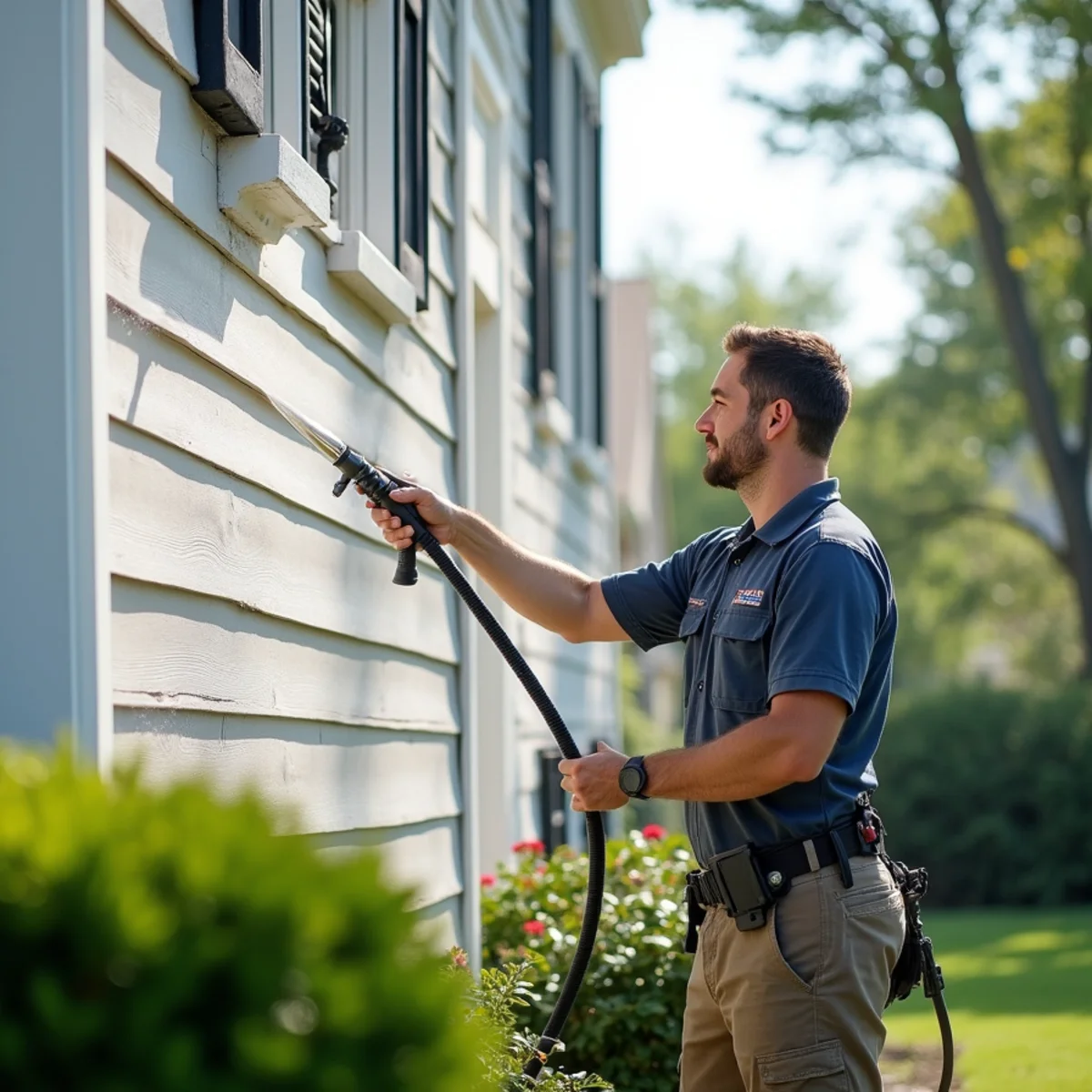
Your siding takes the full brunt of New England weather — spring pollen, humid summers, and shaded north walls that stay damp long enough for algae and mildew to take hold. Left alone, that buildup dulls the whole house and slowly works its way into the texture and the seams, where a garden hose can't reach.
We clean it the safe way. A low-pressure soft wash applies a biodegradable solution that kills mold, algae, and pollen at the root, then rinses clean from the top down. No high pressure ever touches the wall, so there's no risk of etching the finish, cracking aged vinyl, or driving water behind your siding.
It's the method delicate New England homes actually need — gentle enough for painted cedar and fiber cement, thorough enough to leave vinyl, brick, and stucco looking years younger. And because we treat the growth itself, the results stay clean longer than a quick pressure-wash pass.
Recommended method
Low-pressure soft washing
Gentle, low-pressure siding cleaning that lifts algae and grime without forcing water behind your siding.
Why Siding Turns Green in the Connecticut River Valley
The Pioneer Valley sits in a humid river basin, and that moisture is exactly what feeds the green and black staining creeping across so much of the siding here. Warm, wet summers, a heavy mature tree canopy, and shaded north- and east-facing walls that never fully dry create ideal conditions for algae, mildew, moss, and lichen. The most common culprit on siding is a hardy blue-green algae that spreads as a green film and darkens over time.
Add the valley's spring pollen, tree sap, and the road-salt film that clings after a Western Massachusetts winter, and even a well-kept home starts to look tired. On older Longmeadow Colonials shaded by the elms and maples along Longmeadow Street, the north wall is often a shade or two darker than the rest of the house before anyone notices why.
That growth is not just cosmetic. Algae and mildew hold moisture against the surface, and given long enough they work into the texture of the siding and the seams — the spots a garden hose and a stiff brush can never quite reach.
How Soft Washing Cleans Siding Without Damage
Soft washing is the opposite of blasting your house. Instead of relying on force, we apply a biodegradable cleaning solution at very low pressure — closer to a garden-hose flow than a pressure washer. A blend of surfactants and a carefully diluted, controlled amount of sodium hypochlorite does the actual cleaning.
The chemistry is what matters. The solution kills algae, mold, and mildew at the cellular level rather than scraping a surface film off. Surfactants break the water's tension so it clings to vertical walls and sheets into seams and textured surfaces, and we give it time to dwell and finish the job. A gentle, low-pressure rinse from the top down then carries the dead organic matter away.
Because the solution does the work, we never need high pressure against the wall. That is what makes it safe for the delicate materials on New England homes — and why the finish comes out even and stays clean longer than a quick pressure-wash pass.
Why We Won't Pressure-Wash Your Siding
High pressure and house siding are a bad match. A pressure washer aimed at a wall can drive water up under lap siding and behind trim, where it gets trapped against the sheathing and feeds the exact mildew you were trying to remove. It can crack aged vinyl, scar painted and natural cedar, blow out window and door seals, and leave visible wand marks that never wash out.
Pressure also only lifts the surface layer. It strips the visible green but leaves living spores in the pores and seams, so the growth returns quickly — often within a single season. Soft washing treats the organism itself, which is why we lead with it on every home we clean.
The only place controlled pressure belongs is durable, ground-level hardscape like concrete and pavers. Walls, trim, roofs, and anything painted or wood get the soft-wash approach, full stop.
Matching the Method to Every Siding Material
No two homes in Hampden County are built the same, and each surface has its own quirks. Vinyl is forgiving but chalks and oxidizes as it ages, so we adjust our solution to lift the grime without dragging the oxidation across the wall. Painted and natural cedar clapboard — common on older Longmeadow and Wilbraham homes — needs a gentler mix and careful spot testing to protect the finish.
Fiber cement like HardiePlank cleans up beautifully with a soft wash but should never be hit with pressure that erodes its factory coating. Brick and stucco are porous and can trap growth deep in the texture and mortar joints, so the dwell-and-rinse method reaches what a wand never could without etching the surface.
Before we start, we look at the age and condition of your siding, test an inconspicuous spot when needed, and dial the pressure and dilution to that specific surface. One recipe does not fit every wall.
Protecting Your Plants, Property, and Finish
A careful house wash is as much about what we protect as what we clean. Before any solution goes up, we pre-wet the beds, shrubs, and lawn around the work area so plants take up clean water first, and we cover or tarp anything delicate. Downspouts and beds get flushed again once we finish.
We keep the solution diluted to the lowest strength that will do the job, watch the wind so nothing drifts onto cars or a neighbor's plantings, and work carefully around window seals, fixtures, outlets, and vents. On painted or older surfaces we test first rather than assume.
The goal is a clean home and landscaping that looks just as healthy the next morning as it did before we arrived.
How Long Results Last and Keeping Siding Clean
A professional soft wash typically keeps siding clean and bright for one to three years, and that range is real — it depends on your home. A sunny, open lot in East Longmeadow may stay clean far longer than a shaded, tree-ringed house in the older parts of Longmeadow or down near the river.
We are honest about this: nothing makes siding permanently algae-proof. Spores travel on the wind and settle wherever a surface stays damp, so growth does slowly come back. What a proper soft wash does is remove it completely and slow that return, and a light maintenance wash every year or two keeps it from ever getting a real foothold again.
Homes under heavy canopy, or with north walls that never see direct sun, benefit most from an annual visit. We'll give you a straight recommendation for your specific exposure rather than a one-size schedule.
House Washing Across Longmeadow and Hampden County
We are a local, surface-specific crew, and house washing is often the first thing homeowners call us for. We clean siding throughout Longmeadow, East Longmeadow, and across Hampden County — Springfield, Chicopee, Westfield, Agawam, West Springfield, Wilbraham, Ludlow, and Holyoke — with reach into the wider Pioneer Valley.
House washing also pairs naturally with the rest of your exterior. Many homeowners have us soft-wash the roof to clear the same algae streaking the shingles, brighten the gutters that dark growth has stained, and clean the walkways and patio in one visit so the whole property matches.
If your siding has gone green, dull, or streaky, the fix is straightforward. Call (351) 242-0666 for a free estimate, and we'll walk your home, look at the exposure and surfaces, and give you an honest plan.
Problems This Service Solves
- Green and black algae on shaded, north-facing walls
- Spring pollen and tree sap baked onto siding
- Grey, chalky, oxidized vinyl
- Mold and mildew spotting around gutters, soffits, and downspouts
- Moss and lichen creeping up damp lower courses
- Cobwebs, wasp nests, and dirt-dauber trails in eaves and corners
- Road grime and winter road-salt film
- Dulled curb appeal before a sale, listing, or event
What's included
- Soft-wash cleaning of all siding elevations
- Trim, soffits, fascia, eaves, and porch ceilings
- Exterior gutter faces on request
- Shutters, window frames, and light fixtures cleared of grime as we work
- Pre-wetting and protection of surrounding landscaping
- Spot testing on painted or aged surfaces before we start
- A controlled low-pressure final rinse from the top down
- A walk-around with you to confirm the result
Benefits
- Restores curb appeal without abrasion or etching
- Kills algae, mold, and mildew at the root, not just the surface film
- Slows the return of organic growth longer than pressure washing
- Protects the finish and service life of your siding
- Safe for vinyl, painted wood, fiber cement, brick, and stucco
- Clears pollen and mildew from the walls you live beside
- Preps siding ahead of paint or an upcoming sale
Surfaces we treat
- Vinyl siding
- Painted and natural cedar clapboard
- Fiber cement (e.g., HardiePlank)
- Aluminum and engineered wood siding
- Brick and stucco walls and accents
- Trim, soffits, fascia, and shutters
- Wraparound porches and covered entries
Safety & protection
- Pressure kept far below the threshold that damages siding or seals
- Cleaning solution diluted to the lowest effective strength for each surface
- Spot testing on painted, stained, or older surfaces before full cleaning
- Landscaping pre-wet and delicate plants covered or tarped
- Downspouts and beds flushed and rinsed after the wash
- Care taken around window seals, electrical fixtures, outlets, and vents
- Wind and weather checked so solution stays on target
What to Expect
Request an estimate
Call or send us a few details and photos. We respond with next steps and, where possible, a preliminary range before we visit.
Property & surface assessment
We look at each surface — siding, roof, hardscape — and identify the material, its condition, and the buildup we're dealing with.
Written scope of work
You get a clear, written estimate that spells out which surfaces we'll clean and the method we'll use on each one.
Property & plant protection
On service day we pre-wet landscaping, cover delicate plants, and take steps to protect fixtures before any solution is applied.
Surface-specific cleaning
We match the pressure and cleaning solution to the material — gentle soft washing for delicate surfaces, controlled pressure for durable hardscape.
Final walkthrough
We rinse thoroughly, remove protective coverings, tidy up, and walk the property with you to confirm you're happy with the result.
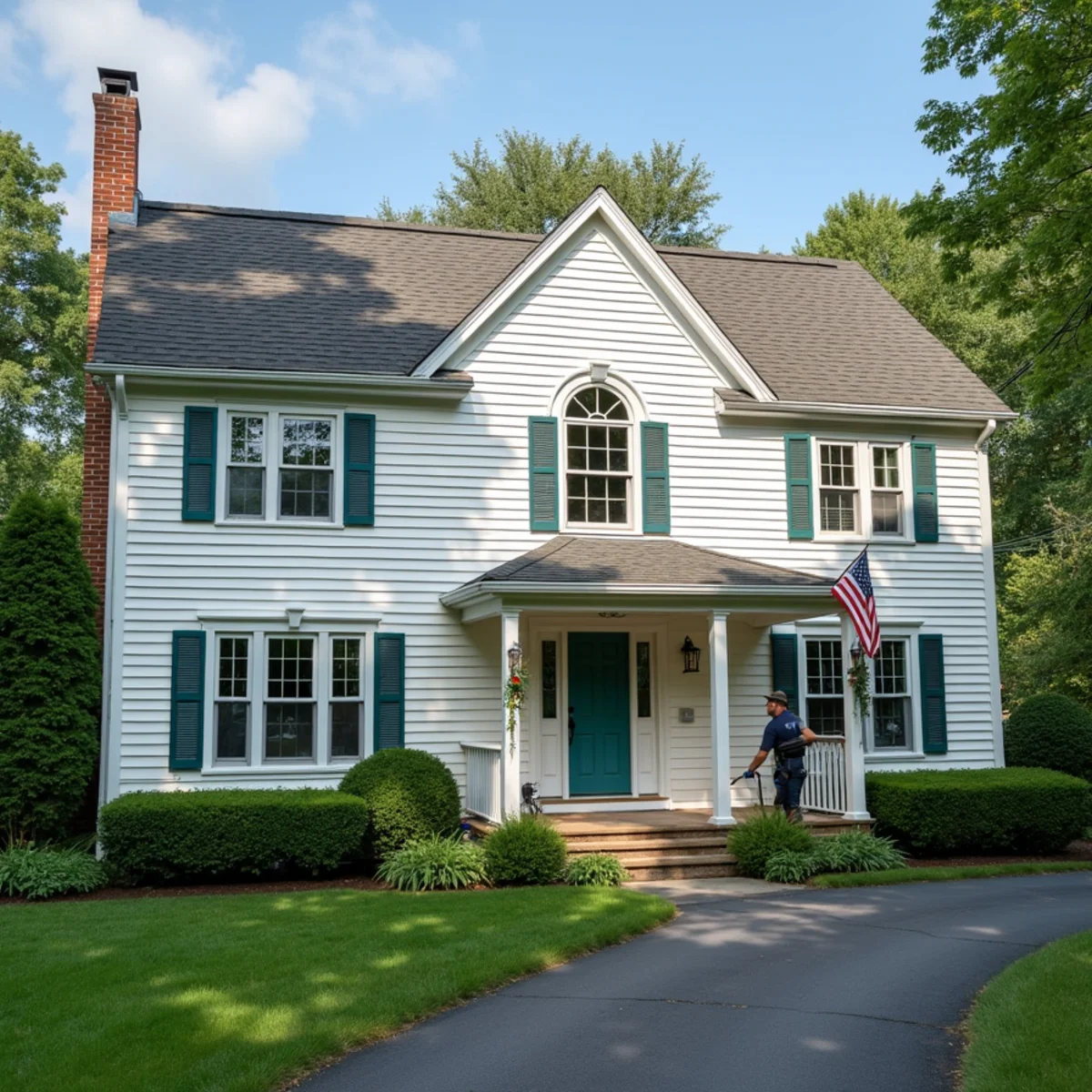
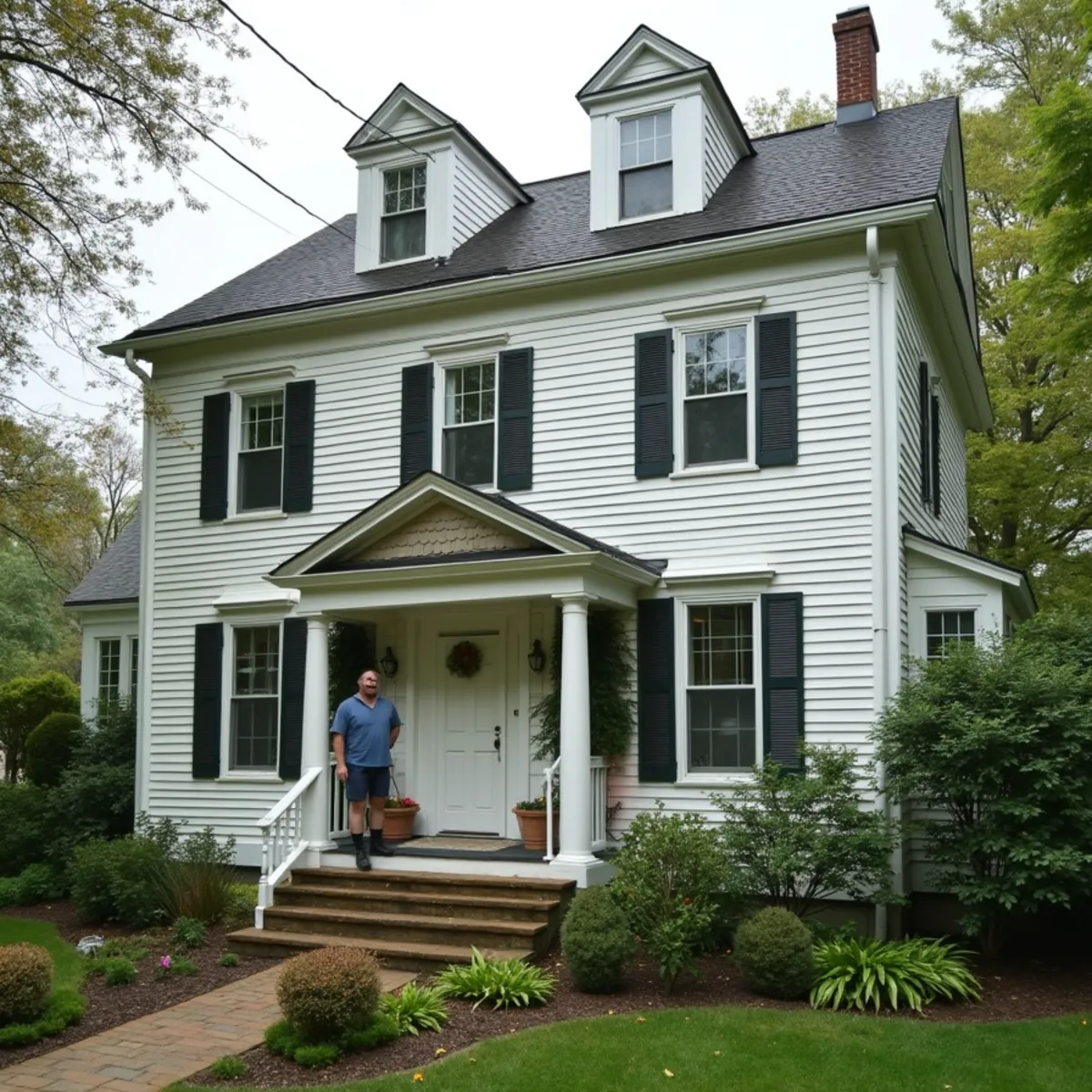
Before & After
House Washing FAQs
Most homes here do well with a wash every one to two years. Homes with heavy tree cover or shaded, north-facing walls that stay damp often benefit from an annual cleaning to keep algae, moss, and mildew from getting a foothold. Newer siding on a sunny, open lot can usually stretch longer. We'll recommend a schedule based on your home's exposure rather than a blanket timeline.
We take real care here. Before we apply anything, we pre-wet the beds, shrubs, and lawn around the work area so plants take up clean water first, cover or tarp delicate plantings, and rinse everything again when we finish. The solution is diluted to the lowest effective strength and applied on calm days so it stays on the siding. Handled this way, your landscaping should look just as healthy the next day.
No — that's the whole point of soft washing. We clean at very low pressure, closer to a garden-hose flow, and let a biodegradable solution do the work. There's no forceful stream to drive water up under lap siding, crack aged vinyl, scar paint, or blow out window seals. It's the safe method for vinyl, painted and natural wood, fiber cement, brick, and stucco alike.
Eventually some regrowth is normal — spores travel on the wind and settle wherever a wall stays damp, so no wash is permanent. The advantage of soft washing is that it kills the growth at the root instead of just stripping the surface, so it stays clean much longer than a pressure-wash pass, which leaves living spores behind. A light maintenance wash every year or two keeps it from ever building back up.
You can, but it's the most common way homeowners damage their siding. High pressure can crack vinyl, scar paint and cedar, break window seals, and force water behind the boards. Store-bought cleaners are usually too diluted to kill algae at the root, and most DIYers rinse before the solution has done its work, so the green returns fast. Soft washing gets the chemistry, dwell time, and pressure right without the risk.
Anytime the weather is above freezing works well, so roughly spring through fall in Western Massachusetts. Spring is popular for clearing off winter grime, pollen, and road-salt film, while fall cleans away a season of humidity and organic growth before winter. We watch the forecast and avoid freezing temperatures and heavy wind so the solution stays on the siding and rinses cleanly.
It depends on your home — the square footage and number of stories, the siding material, how much algae or buildup has accumulated, and access details like landscaping and reach. Because every home is different, we don't quote a flat number sight unseen. Call (351) 242-0666 for a free, no-obligation estimate and we'll walk your property and give you an honest price for the work.
Ready to Refresh Your Property?
Request an estimate for pressure washing, house washing, roof cleaning, or soft washing in Longmeadow and surrounding communities.