
Deck & Fence Cleaning in Longmeadow, MA
Wood-safe cleaning that lifts grey weathering and mildew from decks and fences — and preps the wood for sealing.
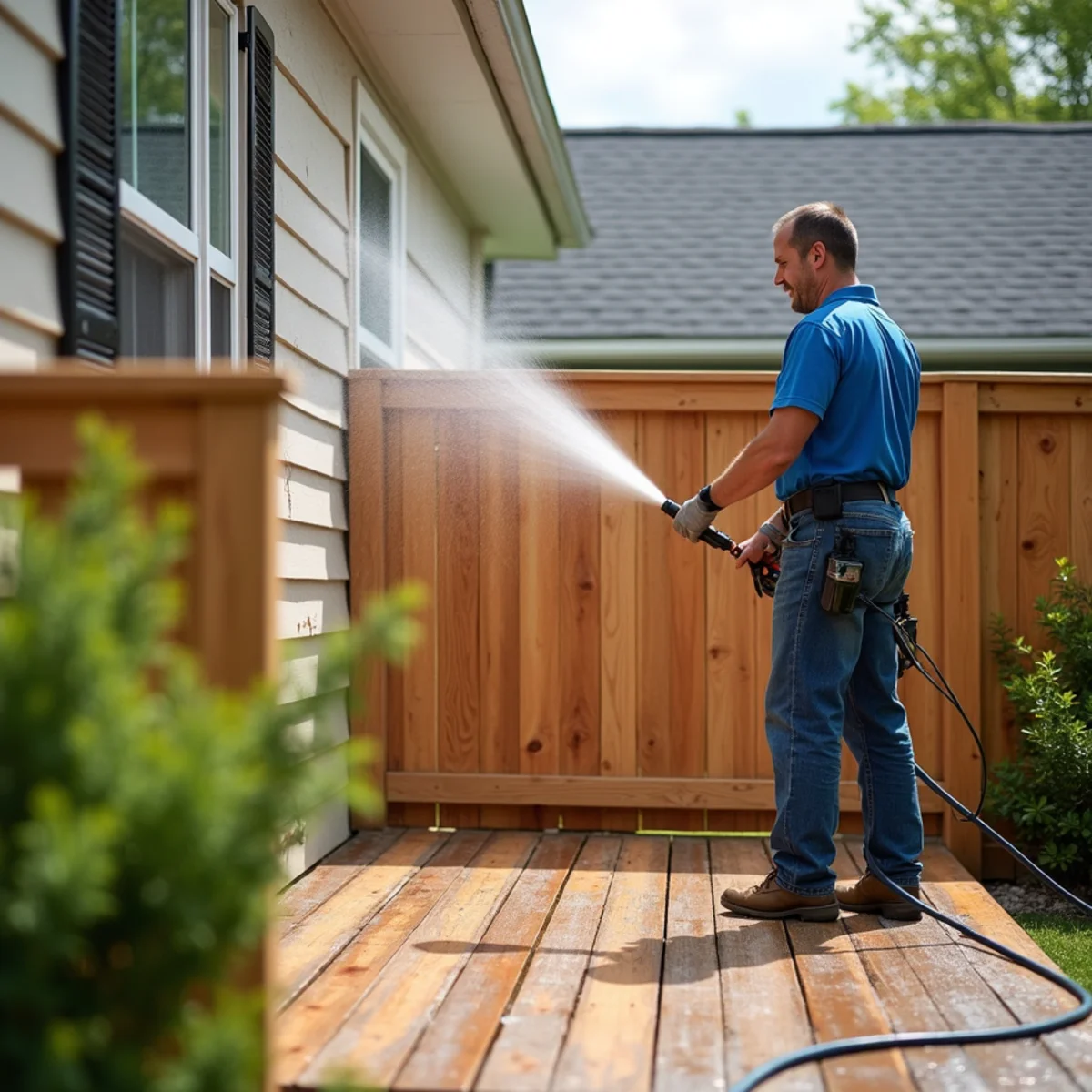
Wood decks and fences in the Connecticut River valley take a beating. Humid summers, a heavy tree canopy, and shaded sides that never fully dry turn warm cedar and pressure-treated pine flat grey, spot them with mildew, and grow a green film wherever the sun doesn't reach. Blasting all of that off with high pressure furs up the grain and does more harm than good.
We clean decks and fences the way the wood needs it — low pressure and a wood-safe solution that lifts organic growth at the root, followed by brightening that reverses the grey chemically and restores the natural tone. Composite, vinyl, and PVC get a matched cleaner that leaves no chalky film behind.
Whether you're cleaning up for the season or prepping bare wood for stain, the right method protects the surface instead of eroding it — and sets your deck or fence up to last. We work throughout Longmeadow and Hampden County.
Recommended method
Low-pressure soft washing
Wood-safe cleaning that lifts grey weathering and mildew from decks and fences — and preps the wood for sealing.
Why decks and fences weather so fast in the Connecticut River valley
The same conditions that make the Pioneer Valley beautiful are hard on outdoor wood. Humid summers, a heavy canopy of maples and oaks over older Longmeadow lots, and long stretches where the north and east faces of a fence never fully dry create ideal conditions for algae, mildew, and moss. Add spring tree pollen and sap, then a winter of freeze-thaw and road-salt spray, and a deck that looked warm and new a few seasons ago turns flat grey with green-black staining in the shade.
Fences take the worst of it along the shaded, ground-level bottom rails and the side facing woods or a neighbor's tree line. Decks show it first on the boards under a table, around planters, and on the steps where foot traffic and standing water combine. None of this means the wood is failing — most of what you see is surface organic growth and oxidized fiber sitting on top of sound lumber, which is exactly what a careful cleaning is meant to lift.
What grey wood actually is — and why we brighten instead of blast
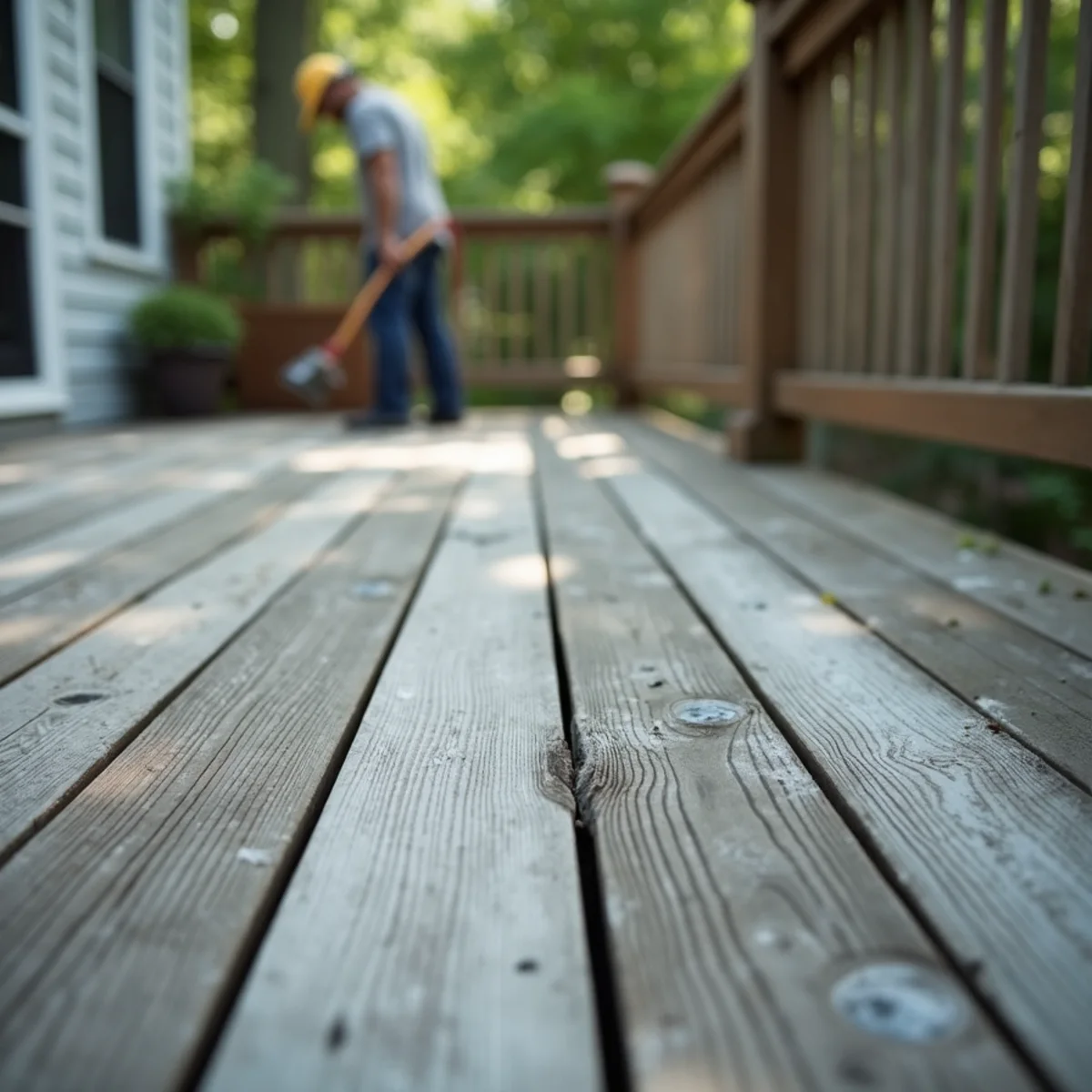
Left in the sun, the lignin that binds wood fibers breaks down under UV light and the surface oxidizes to a silvery grey. Layered over that you get mildew, algae, and sometimes lichen feeding on trapped moisture and organic film. A pressure washer set too high strips the grey off — along with a layer of soft spring-growth fiber — leaving the boards furred, fuzzy, and more porous than before, which only makes them soak up dirt and weather faster the next season.
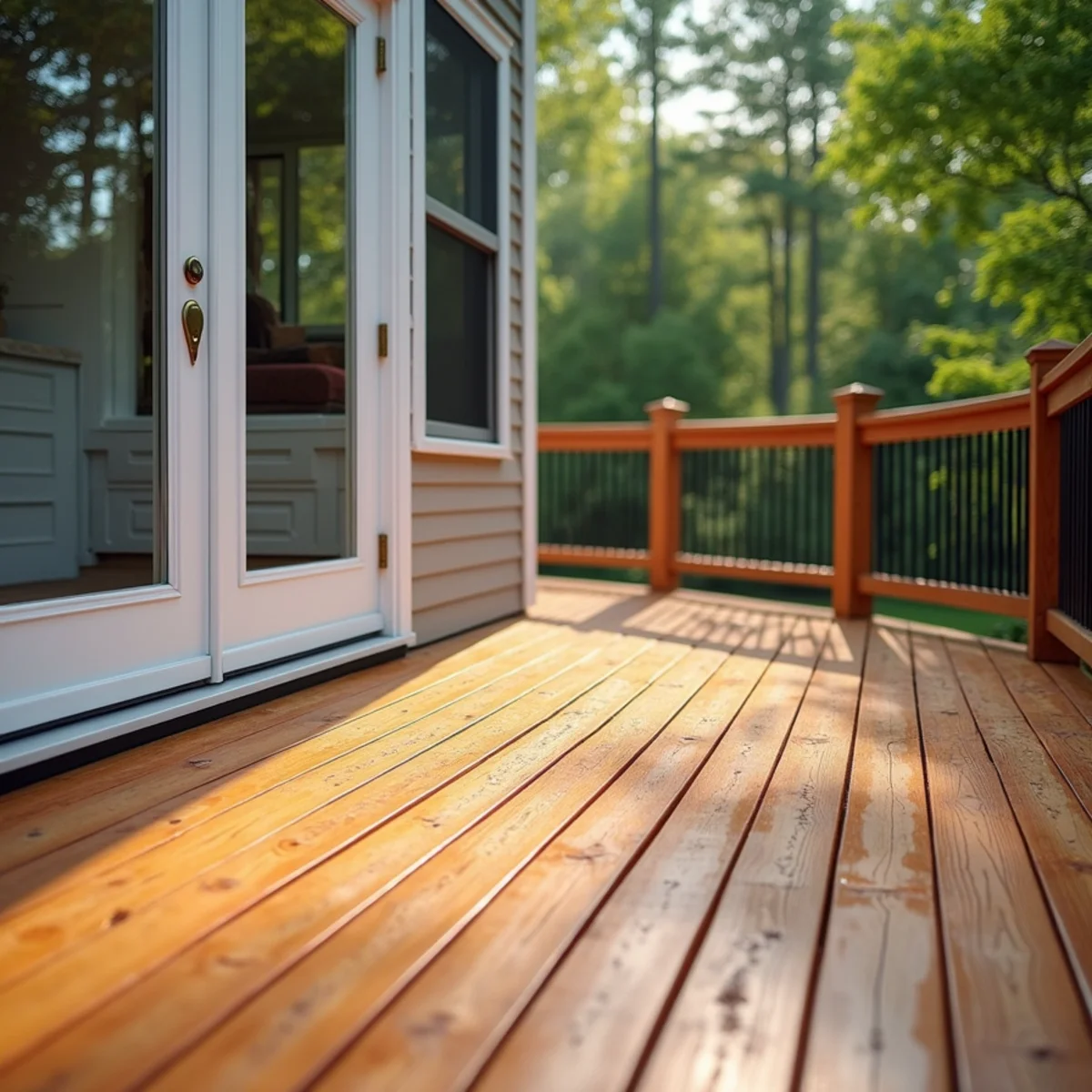
Our approach reverses the grey chemically rather than mechanically. Once the organic growth is cleaned off, we apply a wood brightener based on oxalic acid where it helps. It neutralizes the pH left by the cleaner, lifts the oxidized grey and the dark tannin streaks common in cedar, and reopens the grain so the natural color comes back — without abrading the surface. The result is restored tone on a sound board, not a sanded-down one.
How we clean a wood deck, step by step
Every job starts with a look at the material and its condition: the species, its age, whether it's been sealed or stained, and any boards that are cupped, cracked, or soft. We wet down and protect nearby plantings, shrubs, and lawn along the deck footings and fence line, because a thorough job means controlling where cleaner and rinse water go.
Next we apply a wood-safe cleaning solution and let it dwell, so it can break down mildew, algae, and grime at the root instead of just pushing it around. Then we rinse at low pressure — closer to a firm garden hose than a machine — working with the grain of the boards and never across it. Where brightening is called for, that step follows, and we finish with a clean rinse. Railings, balusters, stair stringers, and the gaps between boards get the same attention as the open field, since those shaded, tight spots are where growth returns first.
Composite, vinyl, and pressure-treated: matching the method to the material
Composite decking is sold as low-maintenance, but it isn't no-maintenance. Mold and mildew still colonize the textured grain and the shaded grooves between boards, leaving a dull grey-green film. We clean composite with a low-pressure soft wash and a compatible cleaner — no wire brushing or high-pressure blasting, both of which can scar the protective cap and void the manufacturer's warranty.
Pressure-treated pine and natural cedar are softer and more prone to furring, so they get the gentlest touch and the most careful brightening. Vinyl and PVC fencing clean up well with a soft-wash solution that removes the green algae film and mildew shadows without leaving a chalky residue behind. In every case the cleaning solution and the pressure are chosen for the surface in front of us, not applied one-size-fits-all.
Cleaning first, then sealing: getting wood ready for stain
A deck or fence is never cleaner or more ready to accept a finish than right after a proper wash and brighten. Cleaning strips away the mildew, grey oxidation, and old surface grime that block penetration; brightening rebalances the pH and opens the grain so a stain or sealer can soak in and bond rather than sit on top and peel. Skipping this step is the most common reason a fresh coat fails within a season or two.
Wood also needs to dry before it's sealed. Depending on temperature, humidity, and how much shade the surface sits in, that usually means waiting a couple of days — often 24 to 48 hours or more — until the moisture content drops low enough for the finish to cure properly. Our standard service is the cleaning and prep; if you're planning to stain or seal afterward, cleaning first is the step that makes the finish last.
Deck and fence cleaning across Longmeadow and Hampden County
We clean decks and fences throughout Longmeadow, East Longmeadow, Wilbraham, Hampden, Ludlow, Agawam, Springfield, Chicopee, and the surrounding Pioneer Valley towns — from a single backyard fence to a full wrap-around deck. The older neighborhoods here, with their mature trees, established plantings, and decks that have weathered a decade of New England seasons, are exactly the kind of work that rewards a low-pressure, surface-matched approach.
The best windows for cleaning are late spring, once pollen and sap have settled, and early fall, before the leaves drop and freeze-thaw sets in — but shaded, algae-prone fences and decks can be cleaned through much of the season. If you're weighing a full exterior refresh, deck and fence cleaning pairs naturally with our house washing and soft washing, so the whole property comes back looking cared-for at once. Call (351) 242-0666 for a free estimate.
Problems This Service Solves
- Silvery-grey UV weathering on wood decks and fences
- Mold and mildew spotting on shaded boards and railings
- Green algae film on the north and woods-facing sides
- Dark tannin streaks and staining common on cedar
- Moss and lichen in damp, ground-level fence rails
- Trapped tree pollen, sap, and winter road-salt grime
- Dull grey-green film on composite decking
- Chalky mildew shadows on vinyl and PVC fencing
What's included
- Inspection of the wood species, condition, and any prior finish
- Pre-wetting and protection of surrounding plants, shrubs, and lawn
- Low-pressure cleaning of deck boards, railings, stairs, and balusters
- Fence cleaning for wood, vinyl, or composite
- Wood-safe cleaning solution applied and left to dwell
- Oxalic-acid wood brightening to neutralize pH and restore tone where appropriate
- Attention to shaded gaps, corners, and bottom rails where growth returns first
- A final clean rinse and walkthrough of the finished work
Benefits
- Restores warm, natural wood tone in place of flat grey
- Removes the mold, mildew, and algae that break wood down over time
- Prepares the surface so stain or sealer can bond and last
- Protects the grain instead of furring it the way high pressure does
- Safe for composite, vinyl, and PVC as well as wood
- Slows how quickly staining and organic growth return
- Makes decks safer underfoot by clearing slick algae film
- Refreshes the whole backyard alongside house and hardscape cleaning
Surfaces we treat
- Pressure-treated pine decking
- Cedar decking and railings
- Composite and capped-composite decking
- Wood privacy and picket fencing
- Vinyl and PVC fencing
- Railings, balusters, and stair treads
- Pergolas, gates, and deck skirting
- Steps, landings, and exposed deck framing
Safety & protection
- Wood-safe low pressure to protect the grain and board grooves
- Spot testing on stained, painted, or older wood before full cleaning
- Cleaning solution and pressure matched to each material
- Pre-wetting and rinsing of plants, shrubs, and lawn along footings and fence lines
- Working with the grain, never across it, to avoid furring
- Wood brighteners applied and neutralized to rebalance the wood's pH
- No wire brushing or high-pressure blasting that can void composite warranties
- Careful control of cleaner and rinse runoff around the work area
What to Expect
Request an estimate
Call or send us a few details and photos. We respond with next steps and, where possible, a preliminary range before we visit.
Property & surface assessment
We look at each surface — siding, roof, hardscape — and identify the material, its condition, and the buildup we're dealing with.
Written scope of work
You get a clear, written estimate that spells out which surfaces we'll clean and the method we'll use on each one.
Property & plant protection
On service day we pre-wet landscaping, cover delicate plants, and take steps to protect fixtures before any solution is applied.
Surface-specific cleaning
We match the pressure and cleaning solution to the material — gentle soft washing for delicate surfaces, controlled pressure for durable hardscape.
Final walkthrough
We rinse thoroughly, remove protective coverings, tidy up, and walk the property with you to confirm you're happy with the result.
Before & After
Related Services
Deck & Fence Cleaning FAQs
For most decks and fences in the valley, once a year keeps organic growth from taking hold and breaking the wood down. Surfaces on the shaded, north or woods-facing side, or under a heavy tree canopy, often need attention more often because they stay damp and grow algae faster. A light annual cleaning is far easier on the wood — and your budget — than waiting until buildup is heavy.
Not the way we do it. Damage comes from too much pressure — high-PSI blasting furs up the grain, gouges soft cedar and pressure-treated pine, and leaves the boards more porous than before. We clean with low pressure and a wood-safe solution that does the work chemically, then rinse with the grain rather than driving water into it. The surface comes back cleaner without being sanded down.
Yes. Most of that grey is UV-oxidized surface fiber and organic film, not permanent damage. After cleaning off the mildew and algae, a wood brightener neutralizes the pH and lifts the grey and dark tannin streaks, bringing the natural tone back — no stain required. Sealing or staining afterward isn't necessary for color, but it does protect the wood and hold that restored look longer.
We do. Composite still grows mold and mildew in its textured grain and shaded grooves, and vinyl or PVC fencing collects a green algae film — both clean up well with a low-pressure soft wash and a compatible cleaner. We avoid wire brushing and high-pressure blasting on composite, since either can scar the cap and void the manufacturer's warranty.
We take it seriously. Before and after cleaning, we pre-wet and rinse the shrubs, plantings, and lawn along the deck footings and fence line, and we use biodegradable cleaning solutions applied for the surface at hand. We can't promise a plant will never react, but controlling runoff, diluting, and rinsing thoroughly are standard parts of how we work around established landscaping.
Cleaning restores the surface, but it doesn't stop the weather. In our humid, shaded climate, algae and mildew gradually return, especially on north-facing and tree-covered sides, so think of it as restored rather than permanent. A yearly maintenance cleaning keeps growth from re-establishing, and sealing the wood after cleaning slows how quickly grey and staining come back between visits.
Cost depends on the size and layout of the deck or fence, the material, how heavy the weathering and growth are, whether brightening is needed, and how easy the property is to access. Because every deck and fence is different, we don't quote a flat figure sight unseen. We'll walk the space, explain exactly what's involved, and give you a clear, free estimate — call (351) 242-0666.
Ready to Refresh Your Property?
Request an estimate for pressure washing, house washing, roof cleaning, or soft washing in Longmeadow and surrounding communities.