
Wilbraham sits on the eastern edge of the Connecticut River valley, where the land rises into the wooded Wilbraham Mountains about ten miles east of Springfield. That combination of big lots, mature tree canopy, and damp, shaded exposures is exactly what feeds algae, moss, and mildew on local roofs, siding, and decks.
We are a soft-washing specialist, not a blast-everything power-washing outfit. On roofs and delicate siding we apply a biodegradable cleaning solution at low pressure that kills organic growth at the root, and we reserve controlled pressure for the durable hardscape that can take it.
The result is a cleaner, healthier exterior that stays clear longer, with careful attention to the generous landscaping that comes with a wooded Wilbraham property. Call (351) 242-0666 for a free, no-pressure estimate.
Wilbraham is a town of about 14,600 residents in Hampden County, roughly ten miles east of Springfield in the Pioneer Valley. The Wilbraham Mountains, part of the Central Upland, rise along the town's eastern side, while the land to the west drops into the Connecticut Valley Lowland — a geography that gives many homes wooded, sloping, shaded lots.
The town center along Main Street is one of the largest designated historic areas in the region, with colonial and Victorian homes dating back to the 1700s, while North Wilbraham and the mountain neighborhoods hold a mix of mid-century capes and ranches and newer construction. That range of housing ages and materials is a big part of why matching method to surface matters so much here.
Open spaces like Fountain Park, a 144-acre former state game farm on Tinkham Road, the Rice Nature Preserve east of Main Street, and the wooded slopes of Minnechaug Mountain reflect how heavily forested Wilbraham is — fittingly, the area's Native name, Minnechaug, means Berryland. All that tree canopy is part of what keeps roofs and north walls shaded, damp, and prone to the algae and moss we treat.
Why Wilbraham's Wooded Lots Grow So Much Algae and Moss
Wilbraham's setting is beautiful and, for exteriors, demanding. Homes here often sit on large, tree-covered lots on the slopes of the Wilbraham Mountains or in the flatter valley lowland to the west. Western Massachusetts has a humid continental climate — warm, wet summers and cold, snowy winters, with rain spread fairly evenly through the year. That steady moisture, held close to the house by a heavy tree canopy, is the fuel that organic growth needs.
Shade is the other half of the equation. North-facing walls, roof slopes tucked under oaks and maples, and porches that never get direct sun stay damp for hours after every rain. Those are the surfaces where black roof streaks, green algae film, moss cushions, and lichen take hold first. On a bright, open lot the sun burns growth back; on a shaded Wilbraham lot it simply keeps spreading.
The black streaks on so many local roofs are a blue-green algae called Gloeocapsa magma. It feeds on the limestone filler in asphalt shingles, and its spores drift from roof to roof on the wind, which is why one streaked roof in a wooded neighborhood is often surrounded by others. Left alone, the growth holds moisture against the shingle and can shorten its useful life.
Colonial, Cape, and Ranch: Matching Method to Wilbraham's Housing Stock
Wilbraham's housing is a broad mix, and each type asks for a different touch. Along Main Street and through Wilbraham Center — anchored by Wilbraham & Monson Academy and the oldest surviving Methodist meeting house in New England — you will find antique colonials and Victorians, some dating back to the 1700s, in one of the largest designated historic areas in the region. Move out toward North Wilbraham and the mountain neighborhoods and the stock shifts to mid-century capes and ranches from the 1950s and 60s, alongside newer construction built in recent decades.
That range means we see everything from natural and painted cedar clapboard to vinyl, fiber cement, and brick. Vinyl siding oxidizes and holds a chalky film; older painted wood needs a gentle hand so the finish is not stripped; brick and its lime mortar can suffer if hit with too much force, and antique masonry deserves extra care. None of these surfaces should be cleaned with high pressure.
Our approach is to read the surface first and choose the mildest effective method. Roofs and any delicate or painted siding are cleaned by soft washing only — low pressure plus the right solution does the work. Durable, ground-level hardscape such as concrete walks, patios, and paver driveways can take controlled, appropriate pressure. Matching force to material is how you get a clean exterior without collateral damage.
The Exterior Problems We See Most on Wilbraham Homes
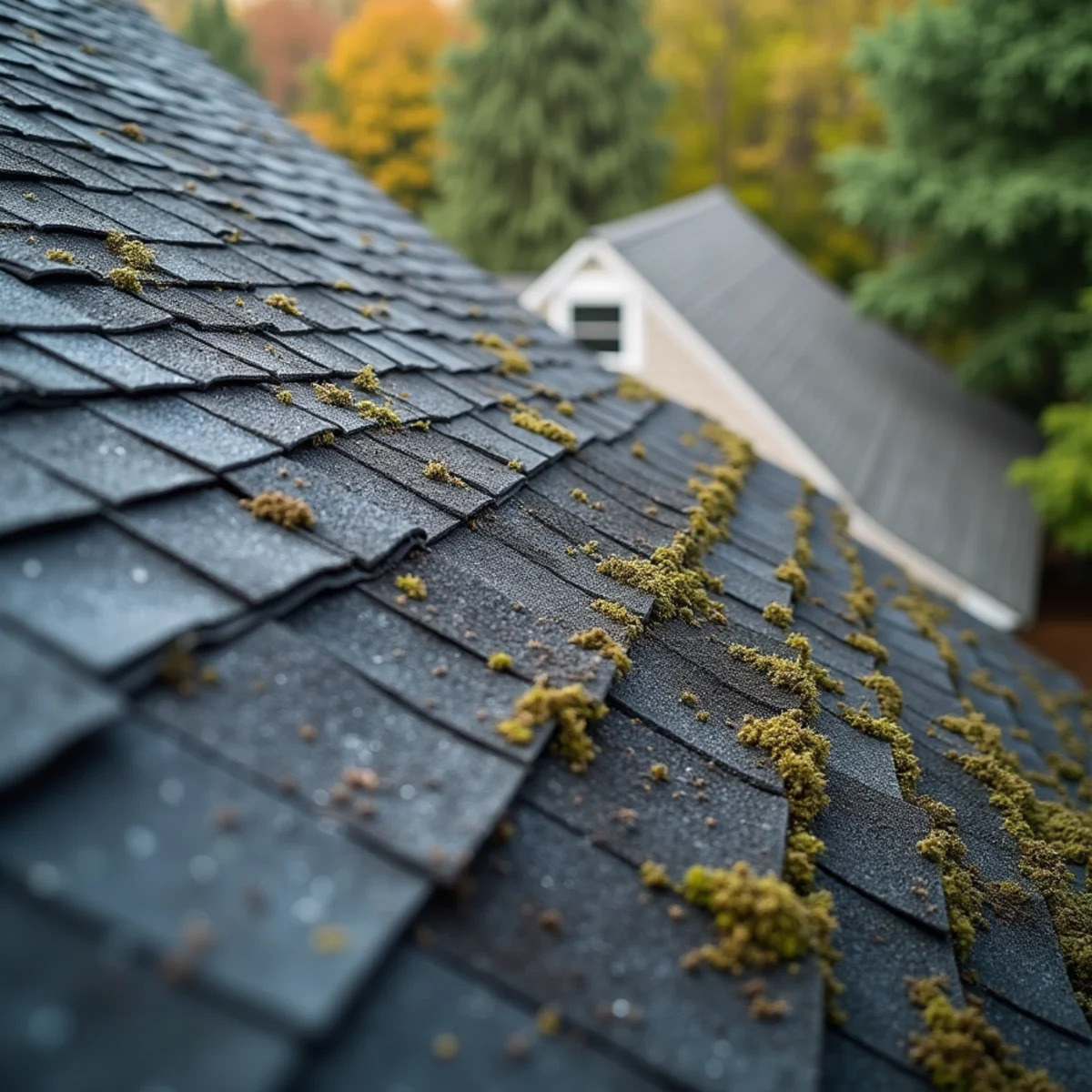
The most common call we get in Wilbraham is roof streaking and moss under tree cover. Shaded, moss-cushioned roof slopes and dark algae stains are the signature problem of a wooded lot, and they need to be treated at the root rather than scrubbed off the surface.
Close behind is mildew and green algae on shaded siding and north walls, where a home sits damp for much of the day. We also see grey, weathered decks and fences where organic growth and UV exposure dull the wood; slippery organic film on walkways, patios, and pool surrounds; and gutters streaked with roof runoff and tannin from overhanging trees.
Masonry brings its own issues. Brick and stone can develop efflorescence — the white mineral bloom left as water moves through the material — along with algae in shaded mortar joints. Every spring, homes here also carry a coat of tree pollen and sap, and winter leaves behind road-salt residue near driveways. Each of these has a correct, surface-specific fix, not one aggressive setting applied to everything.
When to Clean in the Connecticut Valley: A Seasonal Guide
New England's seasons give exterior cleaning a natural rhythm. Spring is often the busiest window: once the hard freezes pass, homes are coated in tree pollen, sap, and the green film that built up over a damp winter, and a wash resets the house for the warm months. It is also a good time to clear winter salt residue from concrete and entryways.
Summer's warmth and humidity are ideal for treating roofs and siding, because the cleaning solution works efficiently and surfaces dry well between rains. It is also when algae and moss grow fastest on shaded lots, so a mid-season soft wash keeps small problems from becoming heavy staining.
Fall is prime time for a pre-winter cleaning. Clearing algae, moss, and leaf debris from roofs, gutters, and decks before the snow flies means moisture and organics are not trapped against those surfaces through months of freeze and thaw. We schedule outdoor work until temperatures drop too low for solutions to perform, then pick back up in spring, so it pays to book ahead rather than wait for the first warm week when the calendar fills quickly.
Soft Washing vs. Controlled Pressure: The Right Force for Each Surface
Soft washing and pressure washing are different tools for different jobs, and confusing the two is where exterior damage happens. Soft washing applies a biodegradable cleaning solution — surfactants with a controlled amount of sodium hypochlorite where appropriate — at very low pressure. The chemistry kills algae, moss, mildew, and lichen at the root, so the surface stays clear far longer than a surface rinse.
That is why roofs should never be pressure washed. High pressure strips the protective granules off asphalt shingles, can force water up under the tabs, and can void a shingle warranty — all while the algae simply regrows because its roots were never killed. A properly soft-washed roof holds clean for years; a pressure-blasted roof often shows regrowth within the same season. The same low-pressure logic protects vinyl, painted wood, and stucco.
Controlled pressure still has its place. Concrete driveways, walkways, patios, and paver hardscape are durable enough for an appropriate, carefully dialed pressure that lifts ground-in dirt, tire marks, and organic buildup. The craft is knowing which surface gets which treatment — and never using more force than a material can safely take. No method makes growth stay away permanently; results are restored and regrowth is slowed, with periodic maintenance keeping the house ahead of it.
Protecting Wooded Landscaping — and Why a Local Team Matters
A wooded Wilbraham lot usually comes with real landscaping — mature shrubs, perennial beds, and foundation plantings that a careless crew can scorch. Because soft washing uses cleaning solutions, plant protection is part of the job, not an afterthought. We pre-wet and rinse surrounding greenery, control our application, and work methodically so the landscape you have invested in is looked after while the house gets clean.
Local knowledge matters more than it might seem. A team that works across Hampden County understands how the valley's humidity, the mountain's shade, and the town's tree canopy behave on a home here — which slopes streak first and how quickly moss returns on a north roof. That is different from a crew passing through with one pressure setting.
We serve Wilbraham and the surrounding towns, including Hampden, Ludlow, East Longmeadow, and Longmeadow, so we know these neighborhoods well. If you want an honest read on what your exterior needs — and what it does not — call (351) 242-0666 for a free estimate.
Common Exterior Problems in Wilbraham
- Black roof streaking from Gloeocapsa magma algae under tree cover
- Moss and lichen on shaded, north-facing roof slopes
- Green algae and mildew on shaded siding and north walls
- Grey, weathered decks and fences
- Slippery organic film on walkways, patios, and pool surrounds
- Efflorescence and algae in brick and stone masonry joints
- Spring tree pollen and sap on siding and windows
- Winter road-salt residue near driveways and entryways
Services Available in Wilbraham
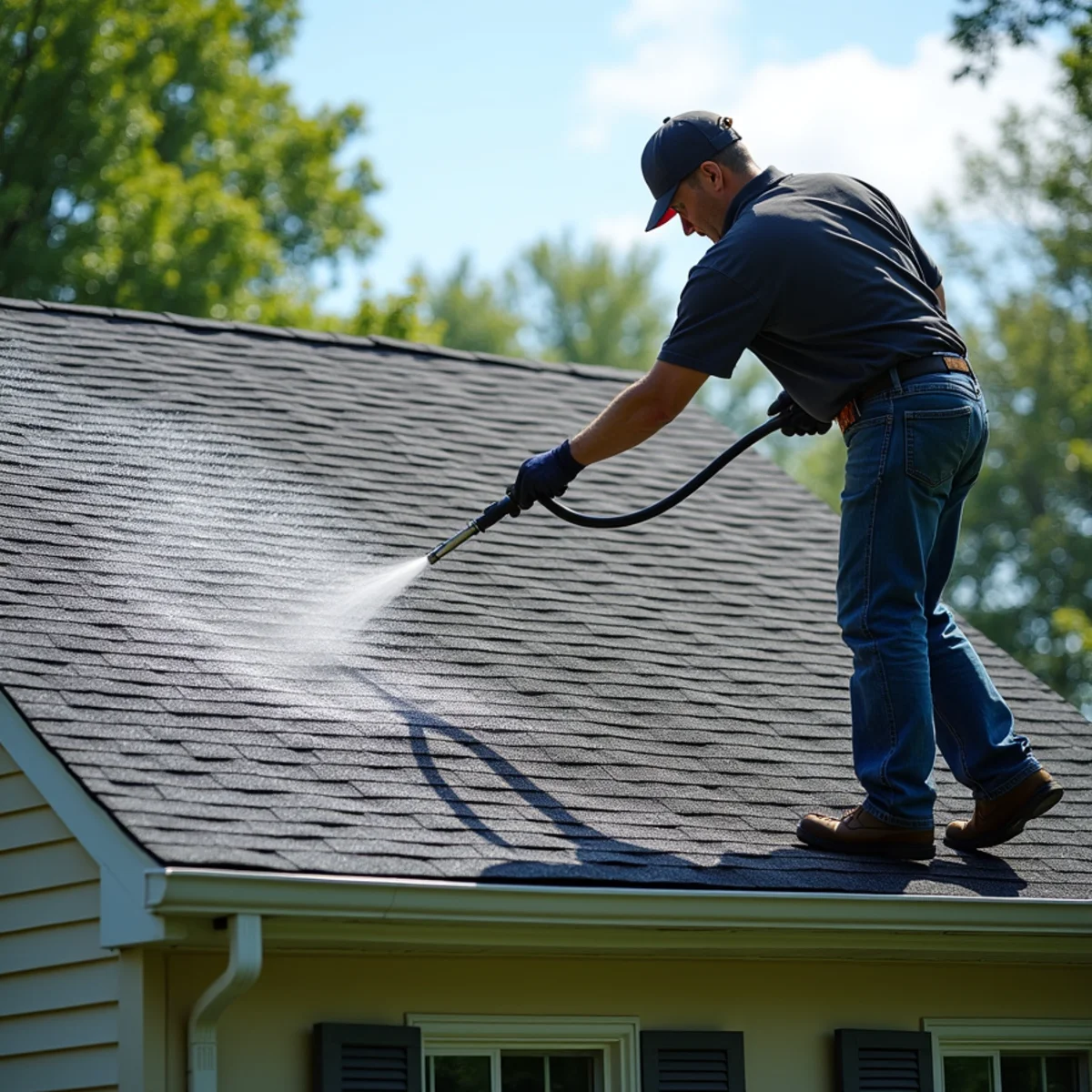
Roof Cleaning
Roof-safe soft washing that removes black streaks, moss, and lichen without ever putting high pressure on your shingles.
Low-pressure soft washingLearn more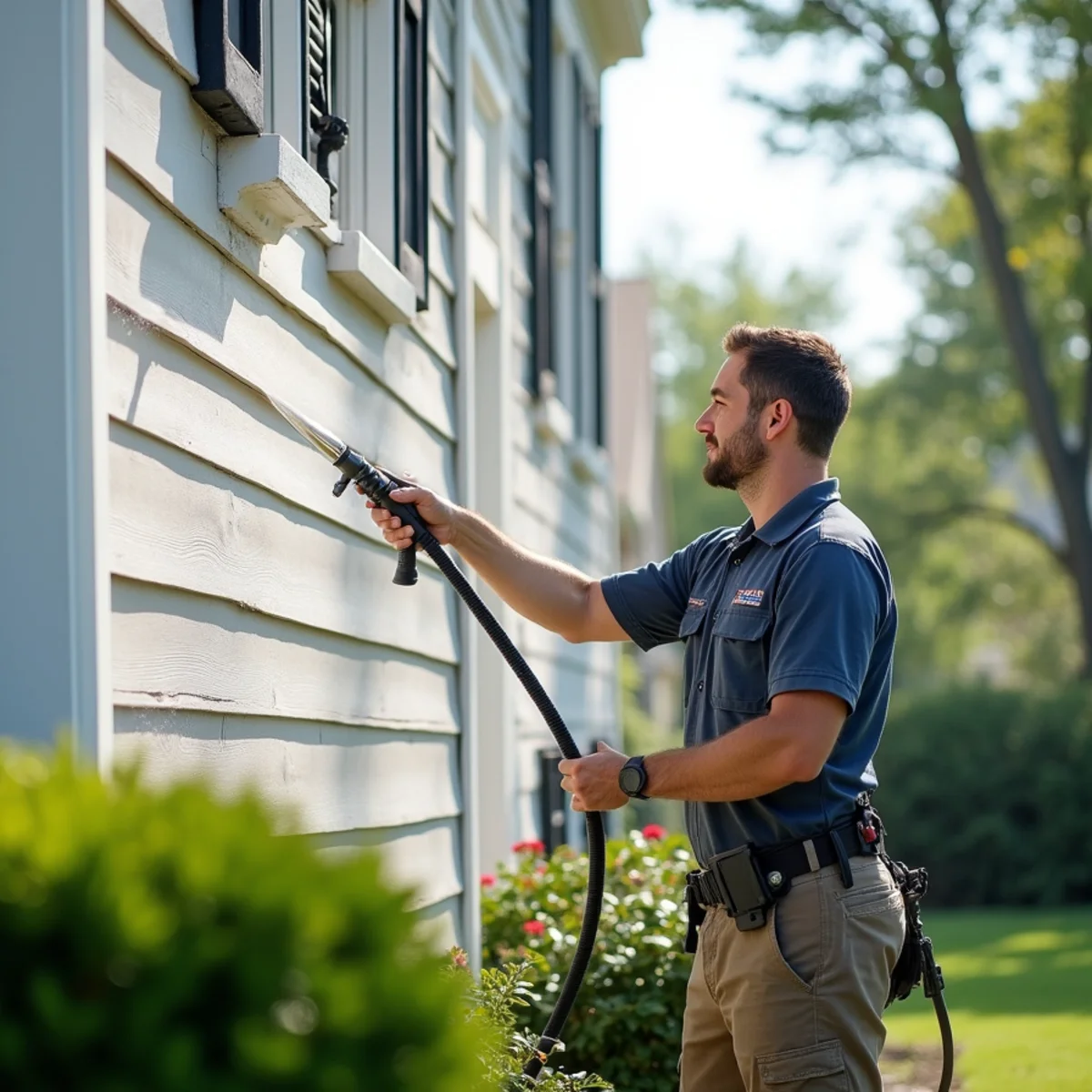
House Washing
Gentle, low-pressure siding cleaning that lifts algae and grime without forcing water behind your siding.
Low-pressure soft washingLearn more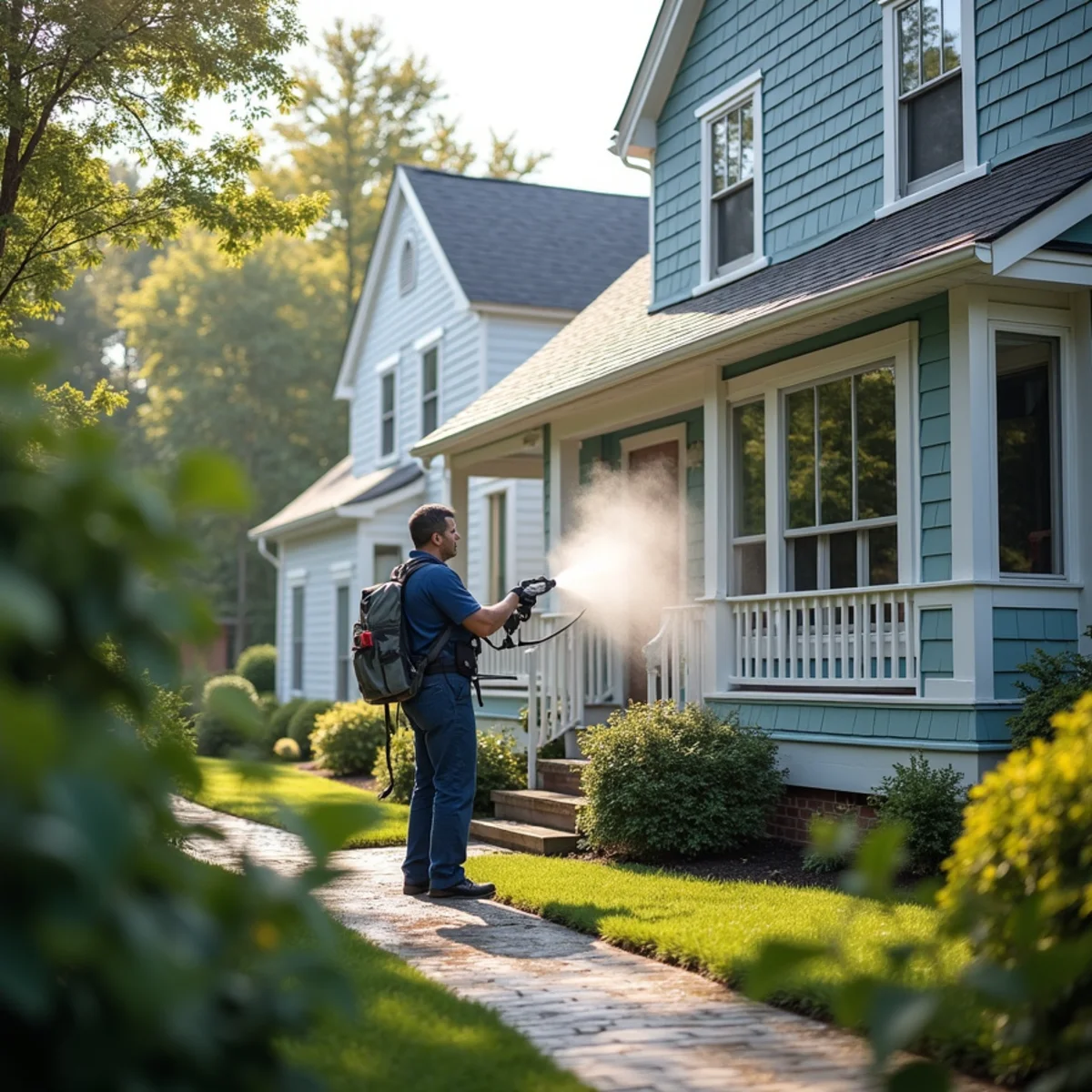
Soft Washing
Our core specialty: low-pressure, biodegradable cleaning for roofs, siding, and every delicate surface high pressure would ruin.
Low-pressure soft washingLearn more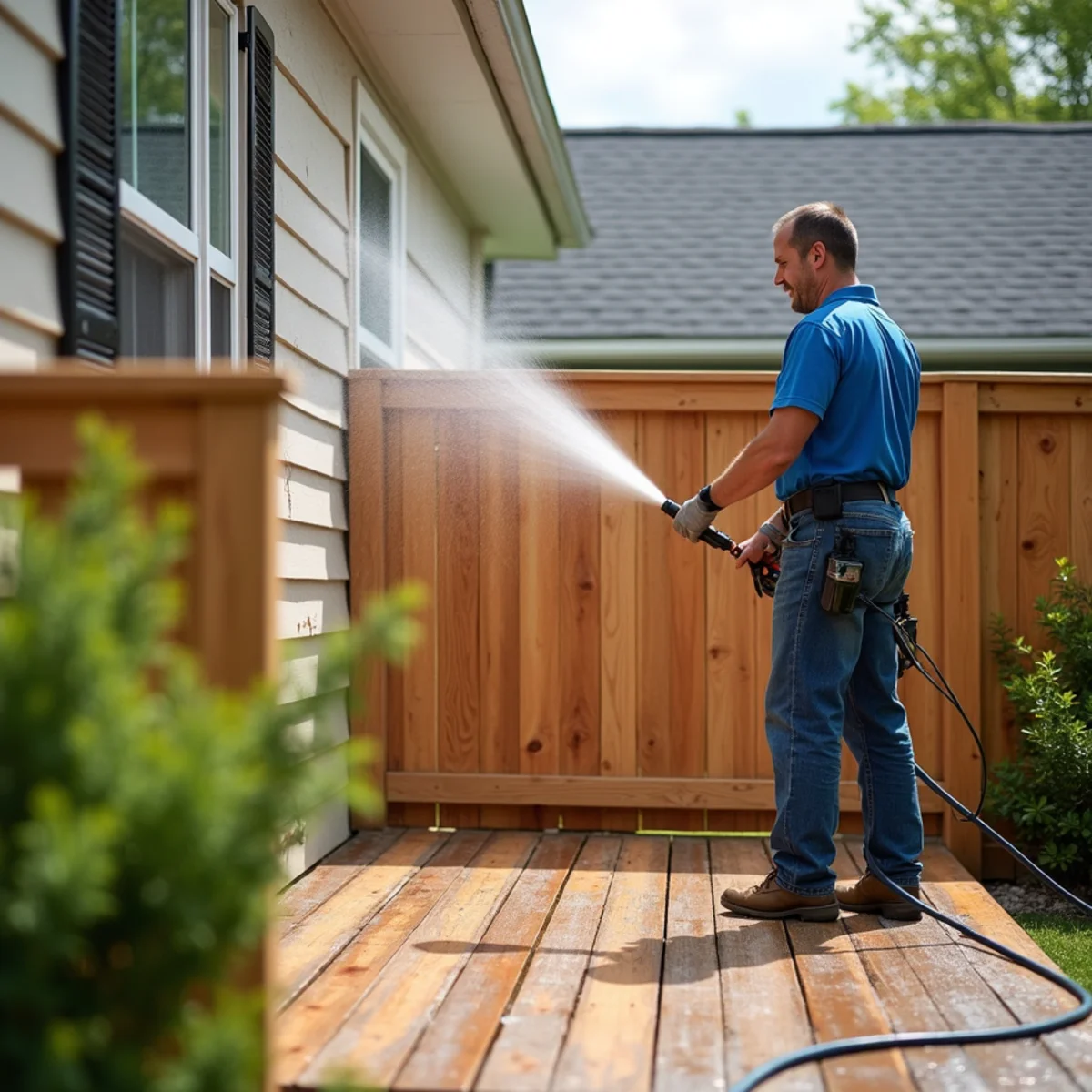
Deck & Fence Cleaning
Wood-safe cleaning that lifts grey weathering and mildew from decks and fences — and preps the wood for sealing.
Low-pressure soft washingLearn more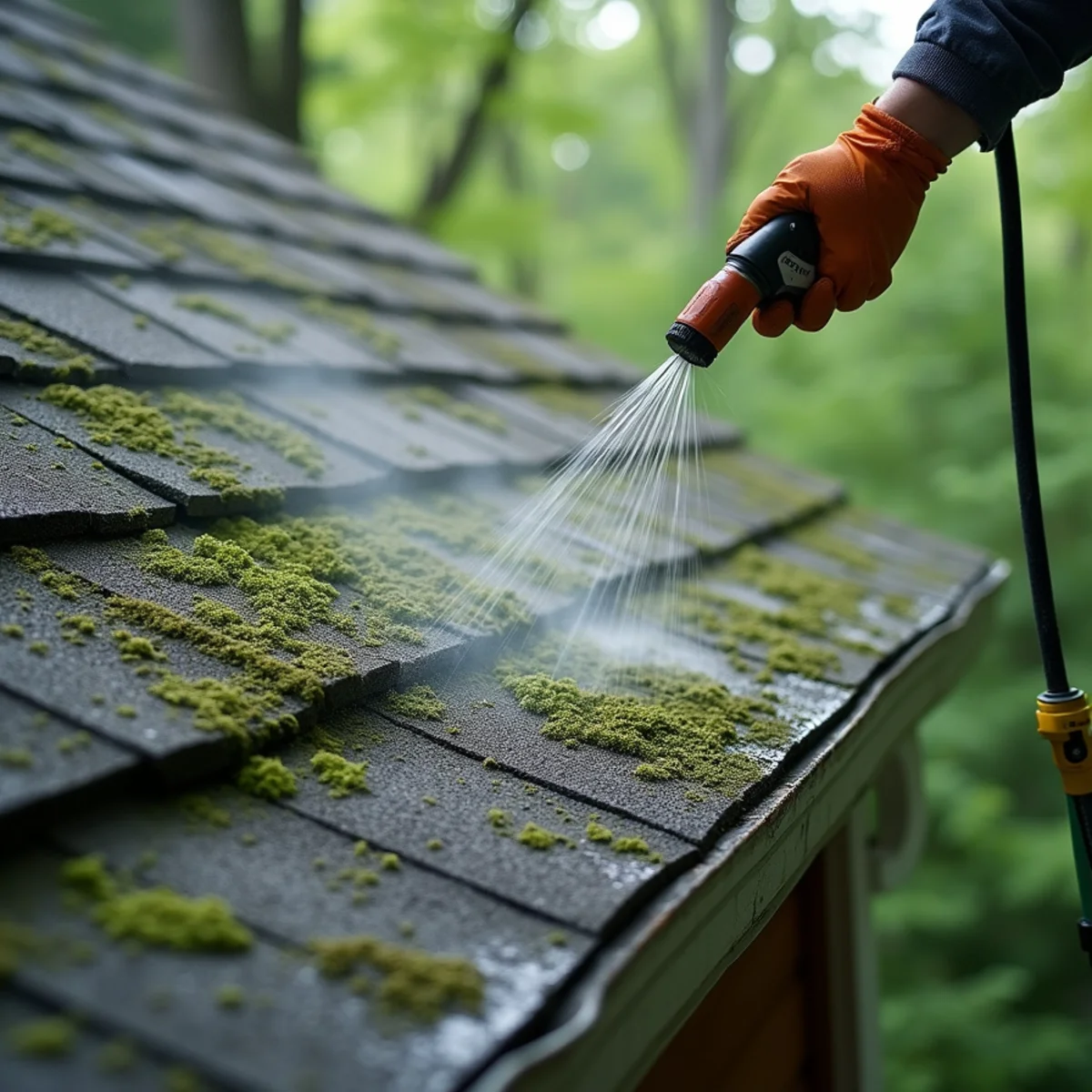
Moss & Mildew Removal
Root-level treatment for the moss, lichen, and mildew that take over shaded, tree-covered New England properties.
Low-pressure soft washingLearn moreWhich Service Does Your Home Need?
A quick comparison of the method, surfaces, typical duration, and best season for each service in Wilbraham.
| Service | Method used | Surfaces covered | Typical duration | Best season in Wilbraham |
|---|---|---|---|---|
| House Washing | Soft wash (low-pressure, under 500 PSI) | Vinyl, wood, stucco, brick, fiber cement siding | 2–4 hours | Early spring (pollen & winter grime) |
| Roof Cleaning | Roof-safe soft wash (no pressure) | Asphalt shingle, metal, slate, tile | 3–6 hours | Late spring or early fall |
| Driveway & Walkway | Controlled pressure + surface cleaner | Concrete, pavers, brick | 1–3 hours | Late fall (after leaf drop) |
| Deck & Fence | Low-pressure wash + wood-safe brightener | Wood, composite, vinyl | 1–2 hours | Late spring / early summer |
| Gutter Cleaning & Brightening | Debris removal + soft-wash exterior | Gutters, downspouts, gutter faces | 1–2 hours | Early spring & late fall |
| Soft Washing (delicate surfaces) | Soft wash (under 500 PSI) | Historic wood, antique brick, stucco, masonry | Varies by area | Spring or fall |
The Right Method for Every Surface
Soft Washing
Low pressure (under 500 PSI) plus a biodegradable solution.
- Roofs & shingles
- Siding (vinyl, wood, fiber cement)
- Stucco & painted surfaces
- Historic wood & antique brick
- Screened porches & trim
Controlled Pressure Washing
Higher pressure matched to durable, hard surfaces.
- Concrete driveways
- Walkways & steps
- Paver & stone patios
- Brick in good condition
- Pool decks & hardscape
How We Work
Request an estimate
Call or send us a few details and photos. We respond with next steps and, where possible, a preliminary range before we visit.
Property & surface assessment
We look at each surface — siding, roof, hardscape — and identify the material, its condition, and the buildup we're dealing with.
Written scope of work
You get a clear, written estimate that spells out which surfaces we'll clean and the method we'll use on each one.
Property & plant protection
On service day we pre-wet landscaping, cover delicate plants, and take steps to protect fixtures before any solution is applied.
Surface-specific cleaning
We match the pressure and cleaning solution to the material — gentle soft washing for delicate surfaces, controlled pressure for durable hardscape.
Final walkthrough
We rinse thoroughly, remove protective coverings, tidy up, and walk the property with you to confirm you're happy with the result.
Careful Cleaning for Wilbraham's Wooded Homes
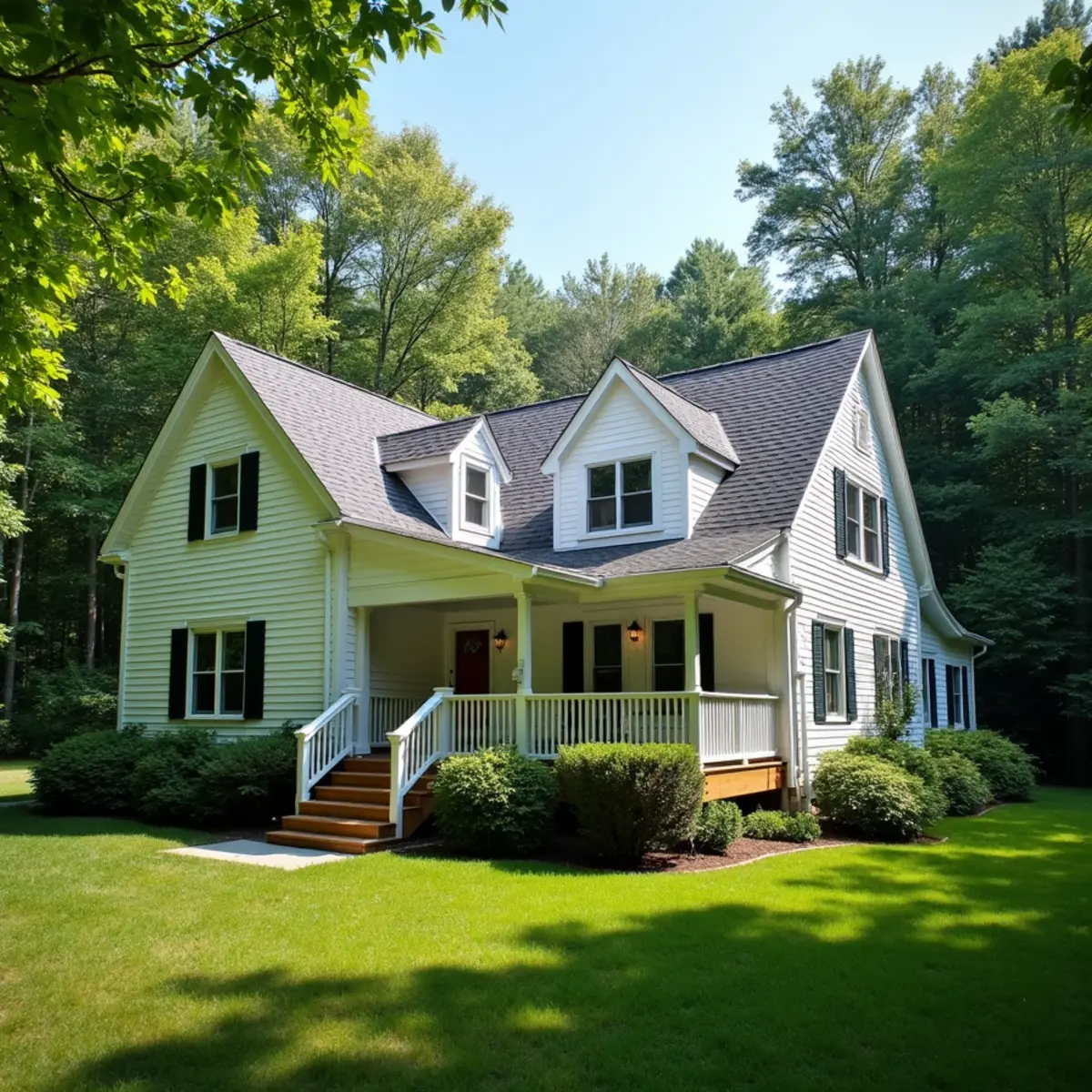
Wilbraham's larger, tree-covered lots mean more shade, more moisture, and more organic growth on roofs, siding, and decks than an open property ever sees.
We treat algae and moss at the root with low-pressure soft washing, reserve controlled pressure for durable hardscape, and take extra care to protect the generous landscaping that comes with a wooded property.
Wilbraham Seasonal Exterior Maintenance
A season-by-season plan for keeping your Wilbraham home protected through New England's four seasons.
Spring
March – May
Renewal & pollen cleanup
- House washing to remove winter grime, salt residue, and early pollen
- Roof soft washing for moss and algae that thrived in damp winter conditions
- Gutter cleaning before spring rains
- Deck and fence washing to open up outdoor spaces
Summer
June – August
Maintenance & entertaining prep
- Deck and patio cleaning ahead of gatherings
- Pool-deck cleaning for slip-resistance
- Spot cleaning sap, bird droppings, and tire marks
Fall
September – November
Pre-winter preparation
- Roof cleaning to clear leaves, needles, and organic debris
- Gutter cleaning and brightening for proper drainage
- Driveway and walkway cleaning before freeze-thaw cycles set in
- Late-fall house washing to remove summer mold and mildew
Winter
December – February
Planning & scheduling
- Plan next year's exterior maintenance and book early for spring
- Inspect for problem areas to address in suitable weather windows
130 Customer Reviews
Trusted by property owners across the area. Verified customer reviews will appear here once connected to our approved review source.
Expert Tips for Wilbraham Homeowners
Practical advice for protecting your home between professional cleanings.
Keep tree limbs trimmed back from the roof and walls. More airflow and sunlight mean surfaces dry faster and algae and moss return more slowly on a wooded lot.
Clear leaves and organic debris from roofs, gutters, and decks each fall so moisture and organics are not trapped against those surfaces through the winter freeze-thaw cycle.
Watch your north-facing roof slopes and walls first. Because they stay damp and shaded longest, they are usually where streaking and moss show up before the rest of the house.
Rinse road-salt residue off concrete walks, entries, and lower siding in early spring to help limit staining and surface wear near driveways.
Never pressure wash your roof or scrub moss off dry. High pressure strips shingle granules and can void warranties; the growth needs to be treated at the root with low-pressure soft washing.
Plan on periodic maintenance rather than a one-time fix. No cleaning keeps growth away for good on a shaded lot, but a wash every couple of years keeps the house well ahead of it.
Wilbraham Exterior Cleaning FAQs
Yes. Wooded, shaded lots are exactly where moss and algae thrive, especially on north-facing slopes. We soft wash the roof, applying a low-pressure cleaning solution that treats the growth at the root rather than blasting it off, and we protect your surrounding landscaping while we work.
We serve Wilbraham and the surrounding Hampden County towns, including Hampden, Ludlow, East Longmeadow, and Longmeadow, with wider reach across Western Massachusetts. If you are not sure whether your neighborhood is covered, call (351) 242-0666 and we will let you know.
Yes. Soft washing uses low pressure and a biodegradable cleaning solution, so it is the safe method for asphalt shingles, vinyl, painted wood, and other delicate surfaces. High-pressure washing, by contrast, can strip shingle granules and force water behind siding, which is why we never pressure wash roofs or delicate siding.
Plant protection is built into how we work. We pre-wet and rinse the shrubs, beds, and foundation plantings around the house, control our application, and work methodically so your landscaping is looked after. On a wooded Wilbraham lot with mature plantings, that care is a core part of the job.
It depends on shade and tree cover. Many Wilbraham homes on wooded lots do well with a wash every one to three years, and heavily shaded north exposures may need attention sooner. No cleaning keeps growth away permanently, but regular maintenance restores the surface and slows how fast algae and moss return.
Yes. Antique colonials, painted wood, and brick with lime mortar all need a gentle, surface-specific approach rather than high pressure. We read the material first and use the mildest effective method, which usually means low-pressure soft washing for older exteriors so the finish and masonry are protected.
Cost depends on the size of the home, the surfaces involved, how heavy the growth is, and access to the areas being cleaned. Because every property is different, we do not quote a flat figure sight unseen. Call (351) 242-0666 for a free, no-obligation estimate tailored to your home.
Yes — soft washing is the roof-safe method. It applies a cleaning solution at low pressure to kill the black-streak algae and moss common in our river valley, without the high pressure that strips shingle granules. It's the approach aligned with roofing-manufacturer guidance.
We pre-wet all landscaping, cover delicate plants, and rinse thoroughly. Solutions are applied and rinsed following product-specific guidance to protect your plantings — we don't treat any solution as harmless, so careful handling is part of every job.
It depends on the surfaces and the size of your home. As a rough guide, a house wash often takes 2–4 hours, roof cleaning 3–6 hours, and driveways 1–3 hours. We give you a specific estimate during your assessment.
Not necessarily, as long as we have access to water and the areas being cleaned. Many homeowners prefer to be present for the initial walkthrough, but we can complete the work while you're away.
Nearby Service Areas
Request an Estimate in Wilbraham
Ready to Refresh Your Wilbraham Property?
Request an estimate for pressure washing or soft washing in Wilbraham and surrounding communities.