
Pressure Washing in Suffolk County, MA
Suffolk County packs Greater Boston's densest, oldest, and most weather-exposed buildings into the smallest footprint in Massachusetts. From the brownstone facades of the Back Bay and the hand-laid brick of Beacon Hill to the wood-framed triple-deckers of East Boston and Chelsea and the seaward blocks of Winthrop, the exteriors here face a relentless mix of city grime and coastal weather. Traffic soot settles into porous masonry, harbor humidity feeds dark algae on shaded walls, and winter nor'easters drive road salt and sea spray up onto siding and stoops.
Boston's city core is not a place for one-size-fits-all high-pressure blasting. Soft brownstone, century-old mortar, painted clapboard, and coastal-facing vinyl each respond differently, and the wrong pressure can do lasting harm. Craft Bros Exterior Cleaning leads with surface-matched, gentle soft washing — reading the material first and matching low-pressure technique and the right cleaning solution to brick, stone, wood, or siding — so soot, algae, and salt film lift away without damaging what sits underneath.
Craft Bros is rooted in Longmeadow and Hampden County, in the Pioneer Valley of Western Massachusetts, and we extend the same careful approach east into Suffolk County rather than operating an established local branch here. Property owners in Boston, Revere, Chelsea, and Winthrop are welcome to contact us to confirm scheduling and talk through the safest method for their surfaces before any work begins.
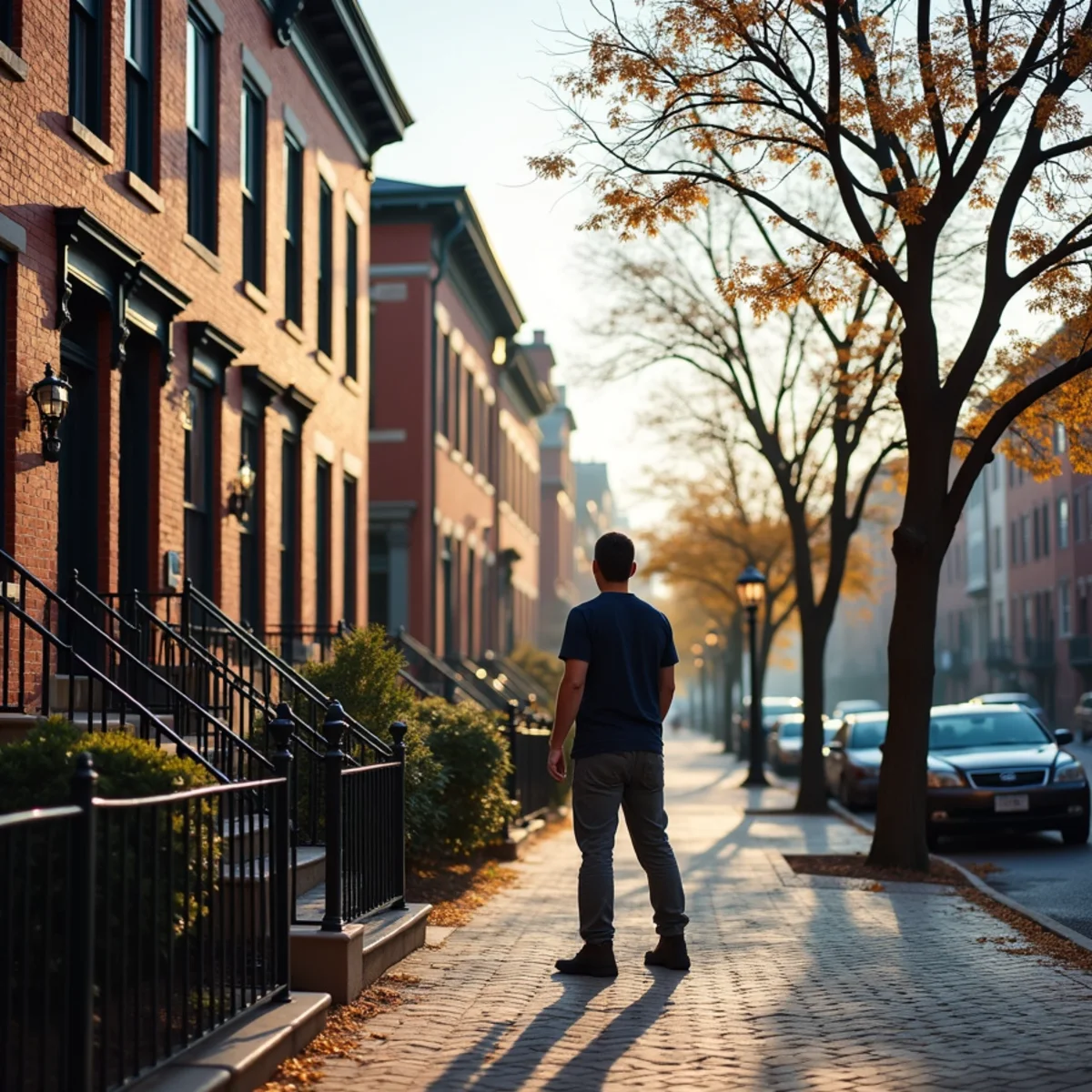
Suffolk County is Greater Boston's dense urban core, the smallest and most tightly built county in Massachusetts — a compact weave of Federal-era brick on Beacon Hill, brownstone rowhouses in the Back Bay and South End, wood-framed triple-deckers in Chelsea, Revere, and East Boston, and salt-exposed coastal blocks in Winthrop, all pressed between packed city streets and the open waters of Boston Harbor and the Atlantic.
Why Do Exteriors Get Dirty So Fast in Suffolk County?
Suffolk County is the smallest and most densely built county in Massachusetts — roughly 58 square miles of land pressed tight against Boston Harbor and the open Atlantic. That combination of packed city and exposed coast is hard on building exteriors. Boston sits in a humid continental climate, with warm, humid summers where July highs climb past 80 degrees and cold, snowy winters where January lows dip near 22. The moisture that hangs in the air much of the year is exactly what organic growth needs, and shaded north-facing walls stay damp long enough for it to take hold.
On top of the humidity, the county carries an urban load that quieter suburbs never see. Traffic on packed streets and highways lays down a fine film of carbon and diesel soot that settles into porous brick, brownstone, and limestone. Sitting right on the water, neighborhoods from Winthrop and East Boston to Revere Beach take airborne salt off the Atlantic, and winter nor'easters drive salt spray and road-salt residue up onto siding, trim, and stoops. Add spring pollen and sap from the county's street trees, and most Suffolk County exteriors are working against several sources of grime at once.
One County, Many Building Types — From Beacon Hill Brick to Coastal Clapboard
Few places in the country pack as many building eras into as little space as Suffolk County. Beacon Hill is defined by Federal-style brick rowhouses with granite steps, wrought-iron railings, and fanlit doorways. The Back Bay, built on filled tidal land to a strict plan, lines up block after block of three- and four-story brownstone-fronted townhouses, and the South End holds one of the largest intact Victorian rowhouse districts anywhere. These are soft, aged materials — brownstone, hand-laid brick, and lime mortar — that reward a gentle touch and punish high pressure.
Move out from the core and the housing changes again. Charlestown and the North End keep their close-packed brick rowhouses, while Chelsea, Revere, and East Boston are full of the wood-framed triple-deckers that housed generations of working Boston, clad in painted clapboard, shingle, and later vinyl. Winthrop, a small peninsula town nearly surrounded by water, and the seaward blocks of Revere run to coastal-exposed vinyl, cedar, and painted trim that take a constant beating from salt air. Each of these surfaces asks for a different approach — the low-pressure soft wash that is safe for painted wood and aging masonry is not the same setup that durable concrete or a commercial block can take.
The Exterior Problems We See Most Across Greater Boston
The most common complaint in a humid, tree-shaded, coastal county is organic growth. Gloeocapsa magma — the blue-green algae behind black roof streaks — feeds on the limestone filler in asphalt shingles and streaks down north-facing roofs and masonry wherever walls stay damp. Moss and lichen follow on the shadiest, wettest surfaces, and mildew darkens siding and painted trim. None of this is permanent dirt; it is living growth, which is why blasting it off with pressure only removes what is on the surface while the roots stay behind and regrow.
The urban and coastal setting adds its own list. Carbon and diesel soot gray historic facades in Back Bay, Beacon Hill, and the North End. Salt spray leaves a chalky film on seaward siding, railings, and trim in Winthrop, East Boston, and along Revere Beach. Efflorescence — a powdery white mineral bloom — surfaces on older brick and mortar as moisture migrates through the wall. And in dense downtown blocks, pigeon and gull droppings and organic staining collect on granite stoops, cornices, and entry steps.
When Is the Best Time to Clean in a New England Coastal City?
Exterior cleaning in Suffolk County runs largely from spring through fall, when temperatures stay reliably above freezing and cleaning solutions can dwell and rinse properly. Spring is a natural reset after winter — it clears the salt film, sand, and grime that a season of nor'easters and road treatment leaves behind, and it takes off pollen and organic buildup before summer humidity accelerates new algae growth, and many owners book ahead of a repaint or a property sale.
Late summer into fall is the other strong window. Cleaning off the algae and mildew that thrive in July and August heat means less organic material sits on the surface through the wet, freezing months, when trapped moisture and freeze-thaw cycles are hardest on masonry and mortar. Deep winter is generally not the time for wet exterior work in Boston, so the shoulder seasons carry most of the schedule. Because results are restored rather than made permanent — algae and streaking do slowly return in this climate — most exteriors benefit from a periodic maintenance cycle rather than a single one-time cleaning.
Soft Washing vs. Controlled Pressure: Why the Method Matters Here
Soft washing is a low-pressure process: instead of relying on force, it applies a biodegradable cleaning solution — surfactants with controlled sodium hypochlorite where appropriate — that kills algae, mold, and mildew at the root, then rinses gently. On the aged, delicate materials that fill Suffolk County — soft brownstone, century-old lime mortar, painted clapboard, and coastal-worn vinyl — this is the responsible choice. High pressure can pit and spall soft stone, blow out mortar joints, and drive water behind siding, and on an asphalt roof it strips the protective granules and can void the shingle warranty. Roofs and delicate siding should be soft washed, never pressure blasted.
Controlled pressure still has its place. On durable surfaces built to take it — concrete walkways, brick pavers, stone patios, and many commercial hardscapes — a properly dialed-in pressure clean is effective and appropriate. The craft is in reading the surface first and matching both the pressure and the solution to what is in front of you — knowing when to back off to a pure soft wash and when a hardscape can handle more. That judgment protects the historic and salt-exposed exteriors of Greater Boston.
How Craft Bros Covers Suffolk County
Craft Bros Exterior Cleaning is a local, surface-specific soft-washing and pressure-washing company rooted in Longmeadow and Hampden County, in the Pioneer Valley of Western Massachusetts. Suffolk County sits at the eastern end of the state, and we serve it and its communities — Boston and its neighborhoods, along with Chelsea, Revere, and Winthrop — by extending the same careful, method-matched approach eastward. We are honest about it: we are not claiming an established branch or a crew stationed in Greater Boston.
What that means for you is straightforward. Coverage and scheduling in Suffolk County are arranged by request, so the best first step is a phone call. Tell us your neighborhood and your building's materials, and we will confirm whether we can schedule you and talk through the safest method for your surfaces before any work is quoted or begun. For a free estimate or to check availability in your area, call (351) 242-0666.
Where We Work in Suffolk County
Common Exterior Problems in Suffolk County
- Carbon and diesel soot from heavy traffic graying historic brick, brownstone, and limestone facades across Back Bay, Beacon Hill, and the North End
- Black algae (Gloeocapsa magma) streaking down north-facing masonry and asphalt roofs, fed by year-round humidity off Boston Harbor
- Moss and lichen taking hold on the shadiest, dampest roofs, north walls, and masonry in tightly built rowhouse blocks
- Salt spray and chalky white salt residue on seaward-facing siding, railings, and trim in Winthrop, along Revere Beach, and in East Boston
- Efflorescence — a powdery white mineral bloom — surfacing on aging brick and mortar in the county's older rowhouses and triple-deckers
- Pigeon and gull droppings plus organic staining on granite stoops, cornices, and entryway steps throughout dense downtown blocks
- Winter road-salt film and sand, along with spring pollen and tree sap, layering onto siding and stoops after the nor'easter season
Services Available Across the County
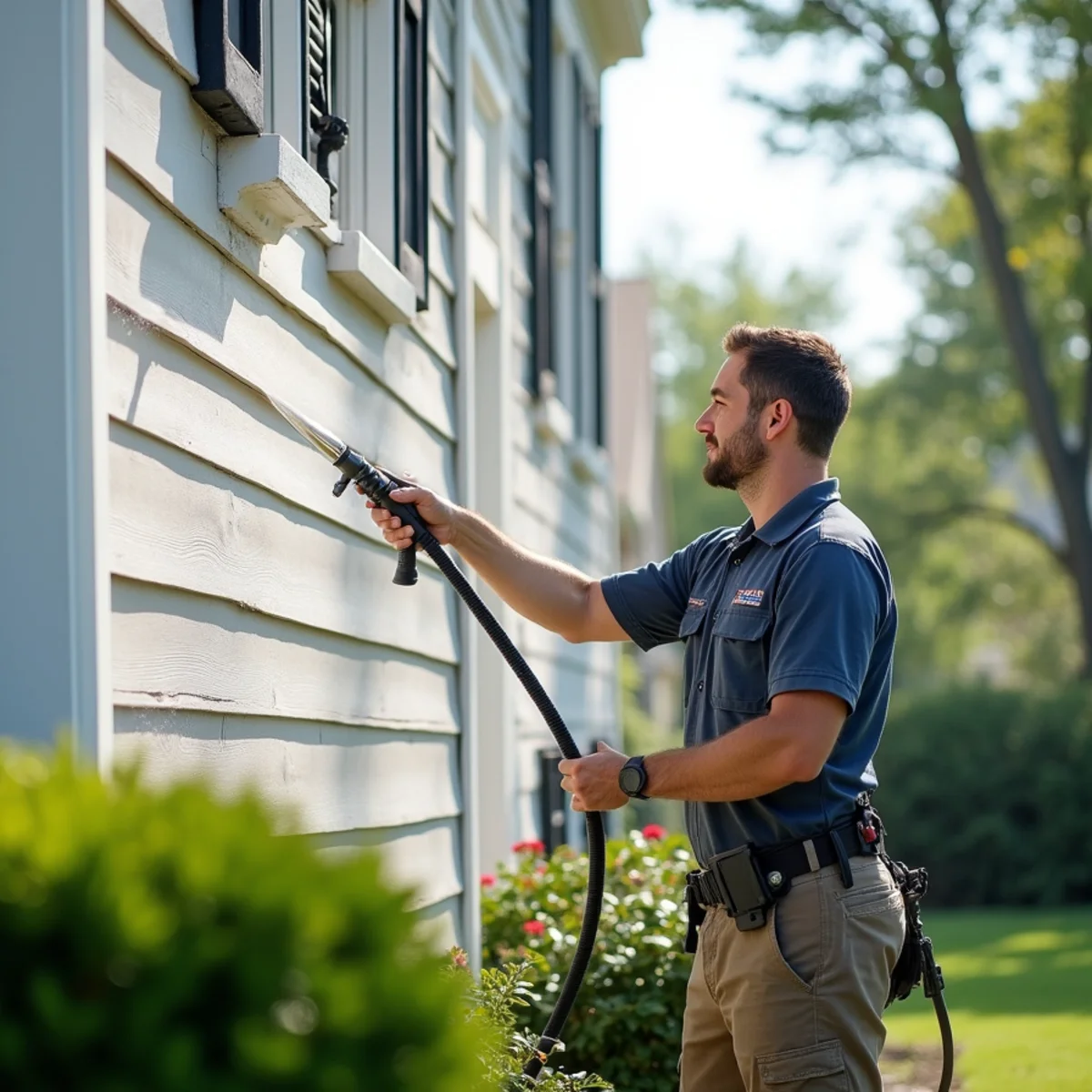
House Washing
Gentle, low-pressure siding cleaning that lifts algae and grime without forcing water behind your siding.
Low-pressure soft washingLearn more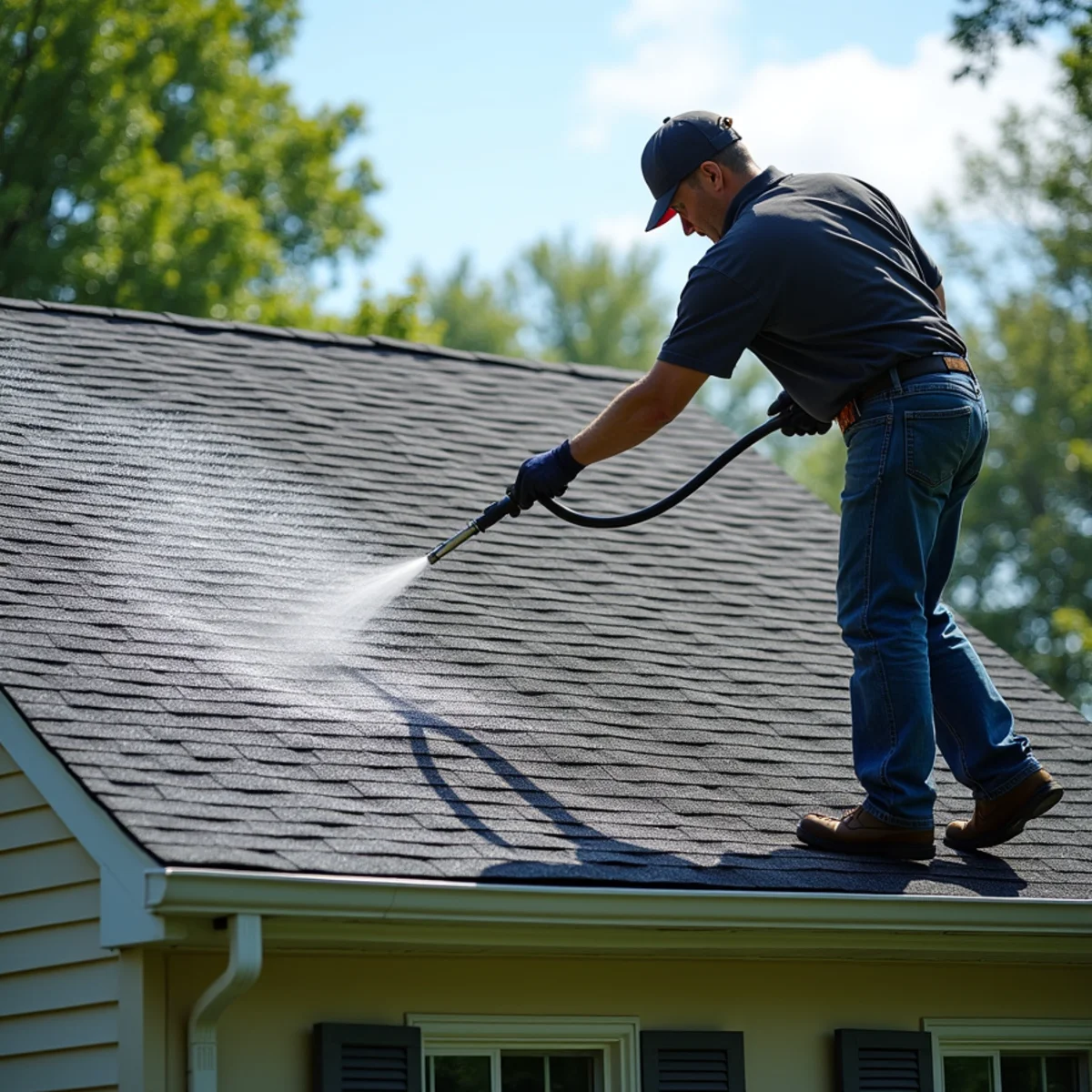
Roof Cleaning
Roof-safe soft washing that removes black streaks, moss, and lichen without ever putting high pressure on your shingles.
Low-pressure soft washingLearn more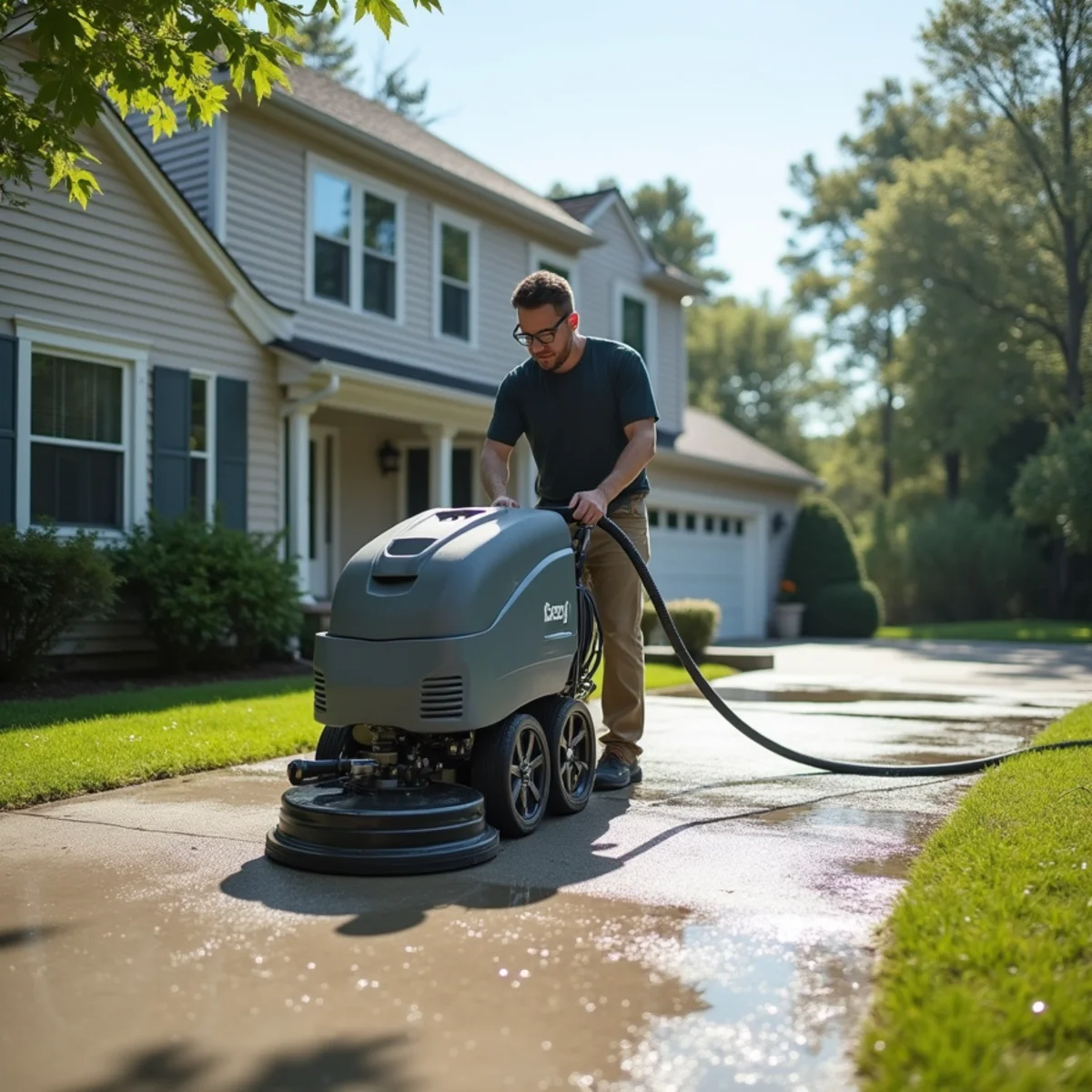
Driveway Cleaning
Even, streak-free concrete cleaning that lifts algae, tire marks, leaf tannin, and winter salt residue from your driveway and hardscape.
Controlled pressure washingLearn more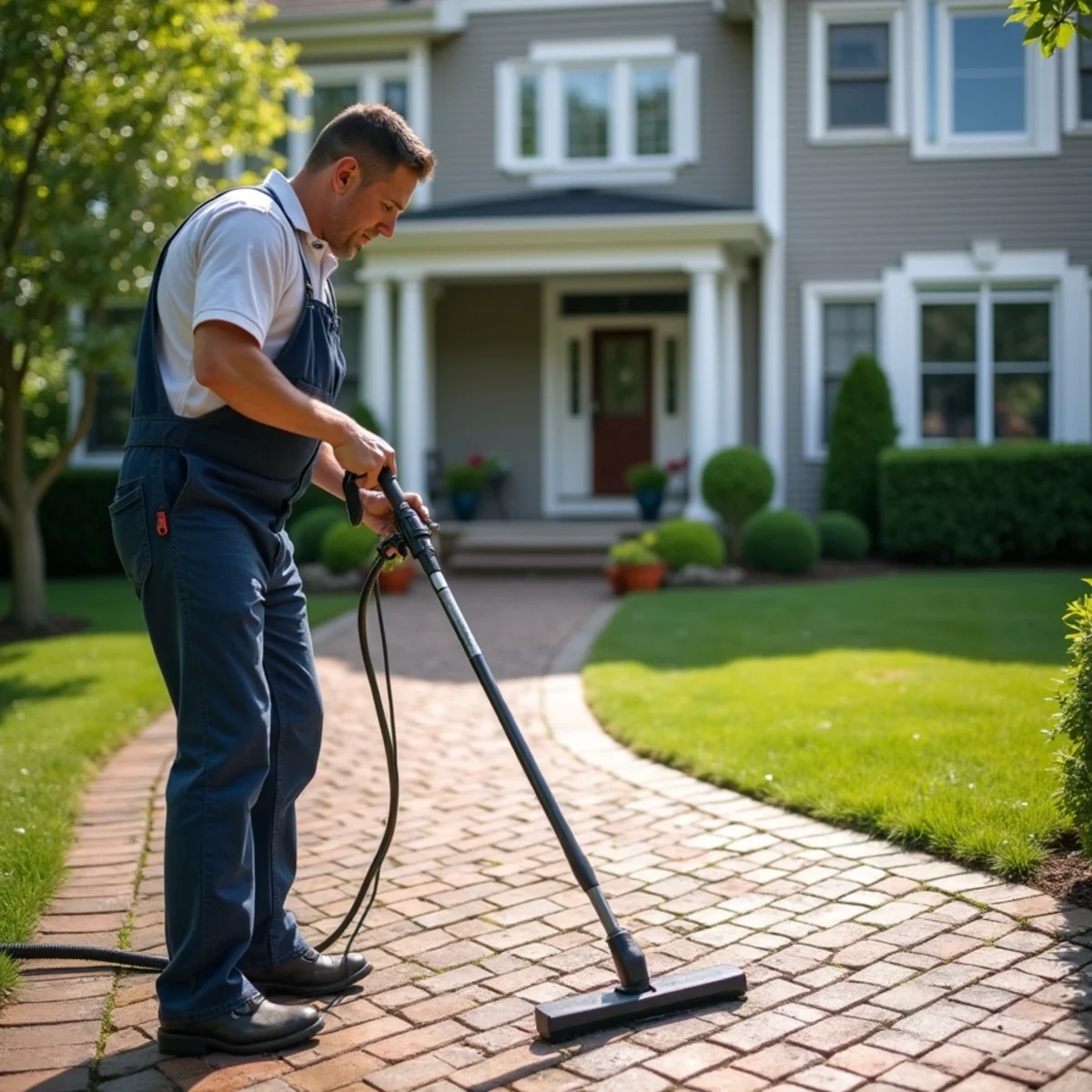
Patio & Walkway Cleaning
Joint-safe cleaning for pavers, brick, and stone that clears moss and organic film without blowing out the sand.
Controlled pressure washingLearn more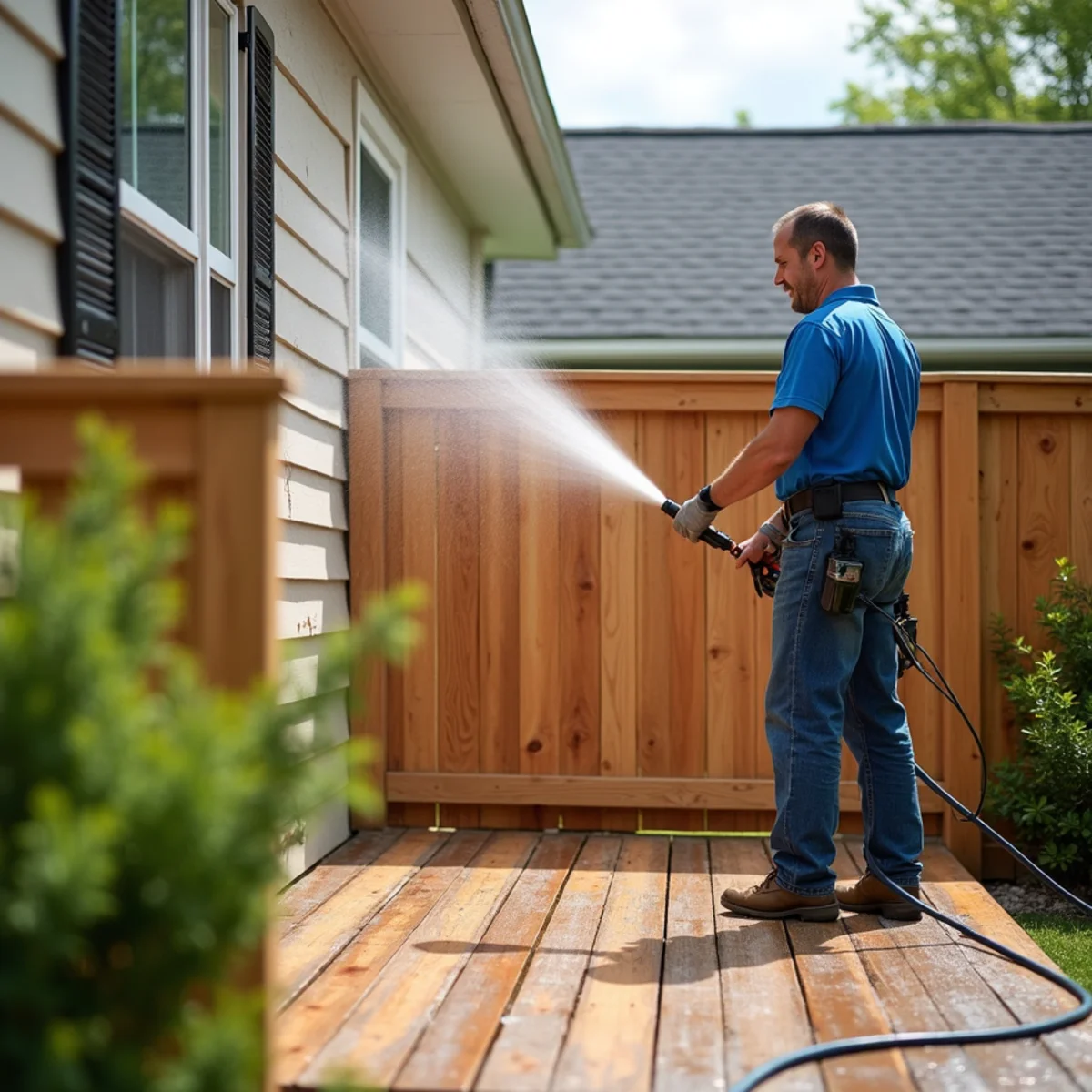
Deck & Fence Cleaning
Wood-safe cleaning that lifts grey weathering and mildew from decks and fences — and preps the wood for sealing.
Low-pressure soft washingLearn more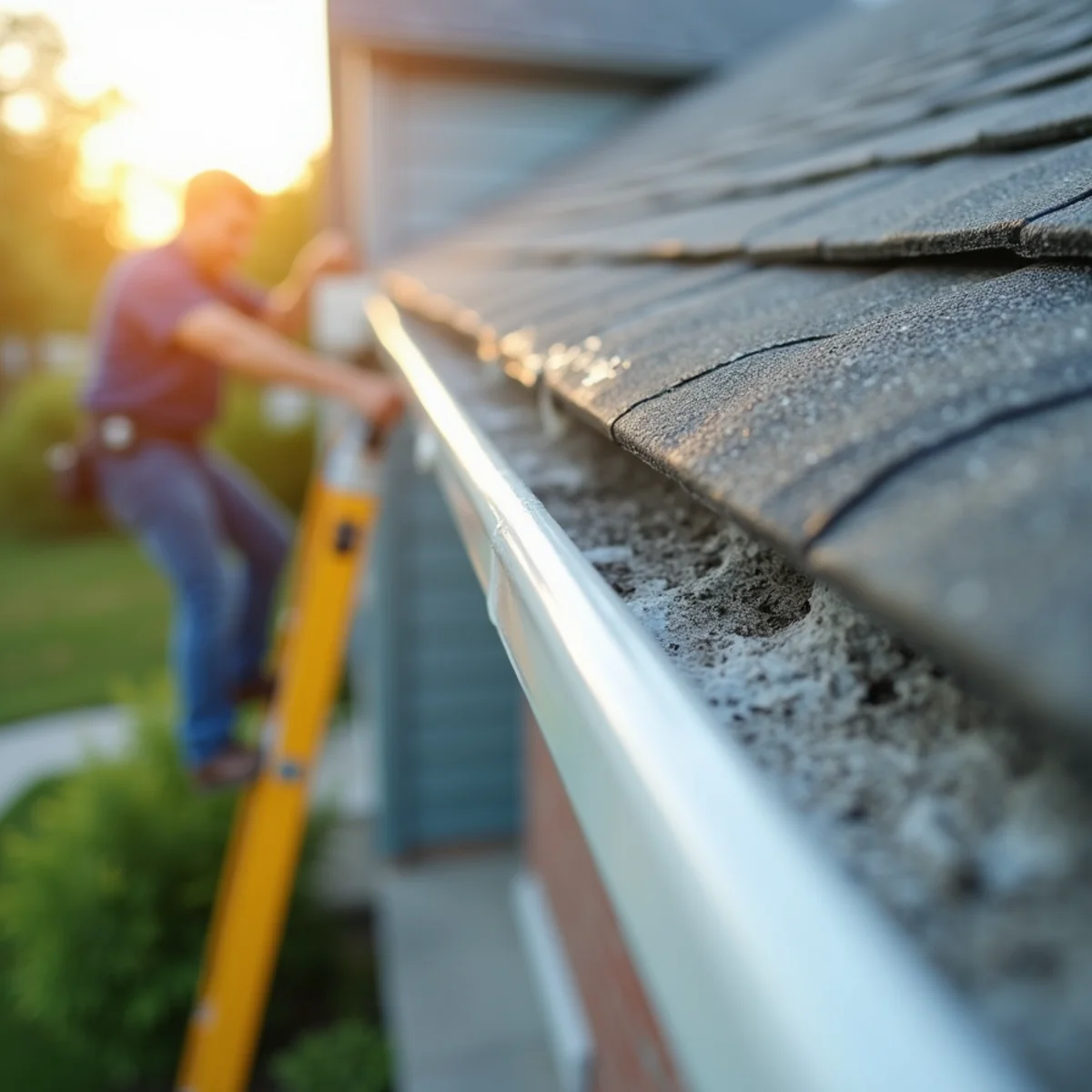
Gutter Cleaning
We clear the debris inside and brighten the black oxidation streaks on the outside — two different jobs, done right.
Low-pressure soft washingLearn more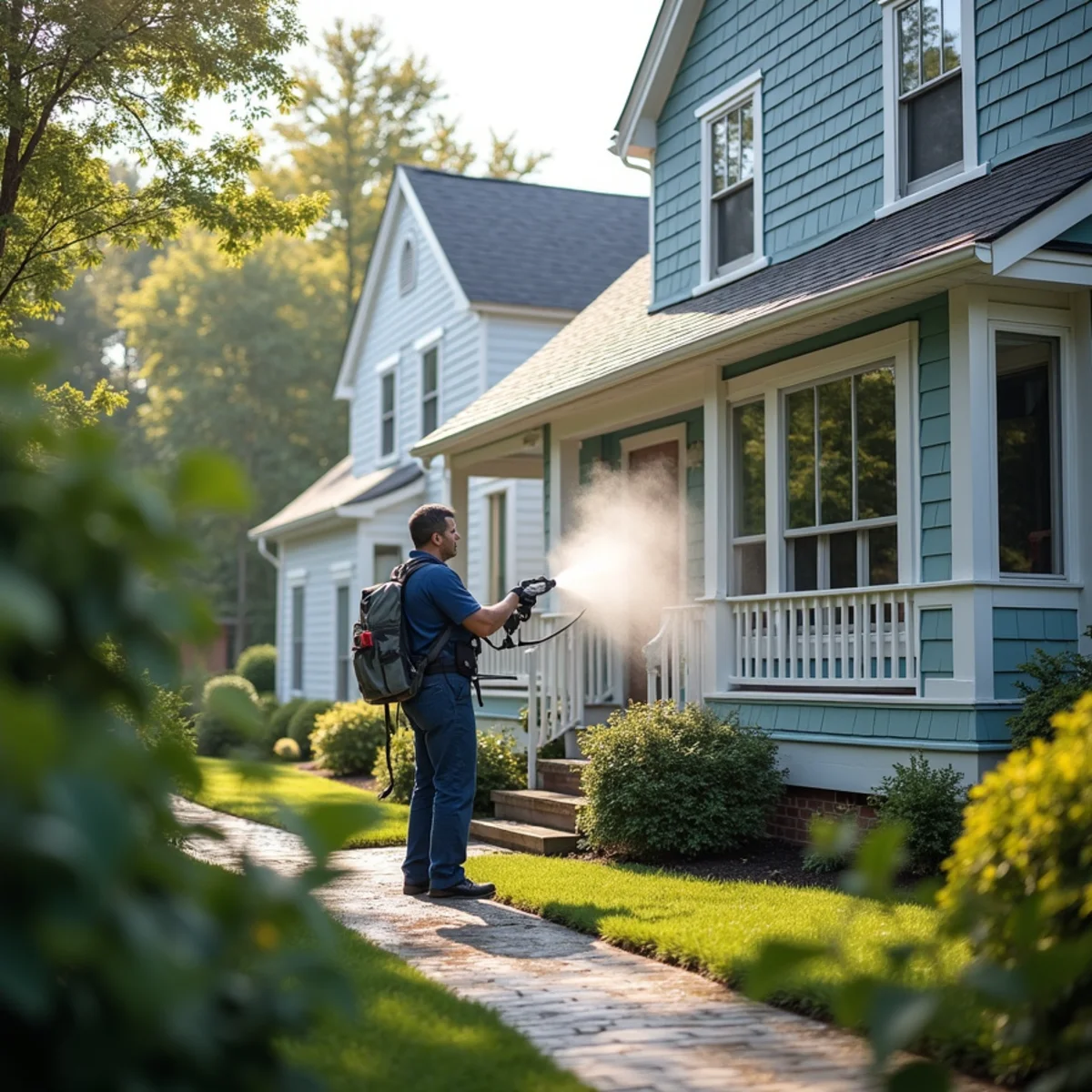
Soft Washing
Our core specialty: low-pressure, biodegradable cleaning for roofs, siding, and every delicate surface high pressure would ruin.
Low-pressure soft washingLearn more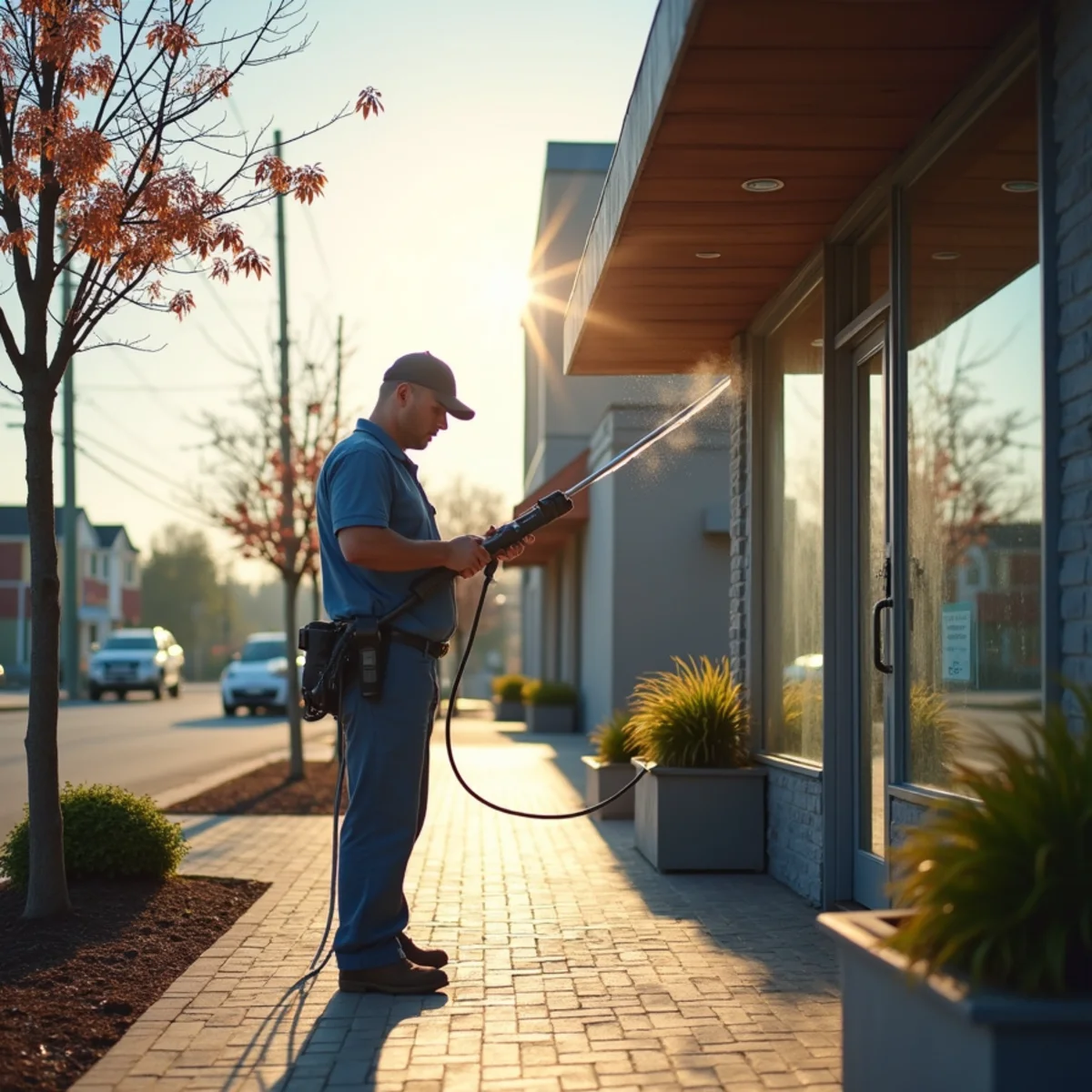
Commercial Exterior Cleaning
Exterior cleaning for storefronts, offices, multifamily properties, and the property managers who maintain them.
Hybrid (soft-wash pre-treatment + controlled pressure)Learn moreSoft Washing for Boston's Historic Brick and Brownstone
Much of Suffolk County's housing stock predates the twentieth century — soft brownstone, hand-laid brick, lime mortar, and painted clapboard that high-pressure blasting can pit, spall, or drive water behind. That is exactly why careful exterior work here leads with gentle, low-pressure soft washing: the cleaning solution lifts soot, algae, and salt film, so the surface itself is never hammered. On Beacon Hill, in the South End, and across Charlestown's tight rowhouse blocks, that restraint matters as much for the mortar joints as for the facade, and many of these streets fall within historic districts that carry their own preservation expectations. Craft Bros is a Western-Massachusetts-based exterior-cleaning company that extends this surface-matched approach into Greater Boston by request, so we ask any Suffolk County property owner to call and talk through the right method for their specific masonry before any work begins.
Towns We Cover in Suffolk County
Don't see your town? We serve the whole county — call us to confirm scheduling in your area.
The Right Method for Every Surface
Soft Washing
Low pressure (under 500 PSI) plus a biodegradable solution.
- Roofs & shingles
- Siding (vinyl, wood, fiber cement)
- Stucco & painted surfaces
- Historic wood & antique brick
- Screened porches & trim
Controlled Pressure Washing
Higher pressure matched to durable, hard surfaces.
- Concrete driveways
- Walkways & steps
- Paver & stone patios
- Brick in good condition
- Pool decks & hardscape
Suffolk County FAQs
We serve all of Suffolk County — Boston and its neighborhoods, along with Chelsea, Revere, and Winthrop. Craft Bros is based in Longmeadow, in Western Massachusetts, so we are not claiming a local crew stationed in Greater Boston; instead we extend our surface-matched soft washing and pressure washing east, with coverage and scheduling arranged by request. The best first step is to call (351) 242-0666 with your neighborhood and your building's materials. We will confirm whether we can schedule your address and recommend the safest method for your surfaces, then provide a free estimate.
Yes — soft washing is the roof-safe method. It applies a cleaning solution at low pressure to kill the black-streak algae and moss common in our river valley, without the high pressure that strips shingle granules. It's the approach aligned with roofing-manufacturer guidance.
We pre-wet all landscaping, cover delicate plants, and rinse thoroughly. Solutions are applied and rinsed following product-specific guidance to protect your plantings — we don't treat any solution as harmless, so careful handling is part of every job.
It depends on the surfaces and the size of your home. As a rough guide, a house wash often takes 2–4 hours, roof cleaning 3–6 hours, and driveways 1–3 hours. We give you a specific estimate during your assessment.
Not necessarily, as long as we have access to water and the areas being cleaned. Many homeowners prefer to be present for the initial walkthrough, but we can complete the work while you're away.
Request an Estimate in Suffolk County
Ready to Refresh Your Suffolk County Property?
Request an estimate for pressure washing or soft washing in Suffolk County and surrounding Massachusetts communities.