
Pressure Washing in Worcester County, MA
Worcester County is the Heart of the Commonwealth — the largest county in Massachusetts by area and the inland core that separates Greater Springfield from Greater Boston. Worcester itself climbs a series of rolling hills above the Blackstone River and is the birthplace of the three-decker, while Fitchburg and Leominster on the Nashua River, the old Blackstone Valley mill villages to the south, and the hill towns near the Quabbin all carry the same industrial bones: brick factories, Victorian wood-frame homes, and granite foundations. Sitting well above the coast, this is one of the snowier metro areas of its size in the country, and the long winters, heavy road salt, and shaded tree canopy leave their mark on siding, roofs, and masonry.
Craft Bros Exterior Cleaning is a soft-washing specialist with roots in Longmeadow and Hampden County, in Western Massachusetts's Pioneer Valley, and we extend the same surface-first approach east into Central Mass. We are not claiming a storefront on Shrewsbury Street or a crew staged in Worcester — instead we bring the method we use at home: gentle, low-pressure soft washing for delicate siding and roofs, and controlled pressure only where a surface can genuinely take it.
If your property is in Worcester County, the honest next step is to reach out. Call (351) 242-0666 or send a message with your town and the surfaces you need cleaned, and we will confirm whether we can schedule your property and what a visit would involve.
Central Massachusetts is a hilly, inland patchwork of dense three-decker neighborhoods, converted brick mill blocks, and snow-belt hill towns, where long winters, heavy road salt, humid summers, and a damp tree canopy make organic growth and mineral staining the dominant exterior-cleaning problems across everything from antique lime-mortar masonry to modern vinyl.
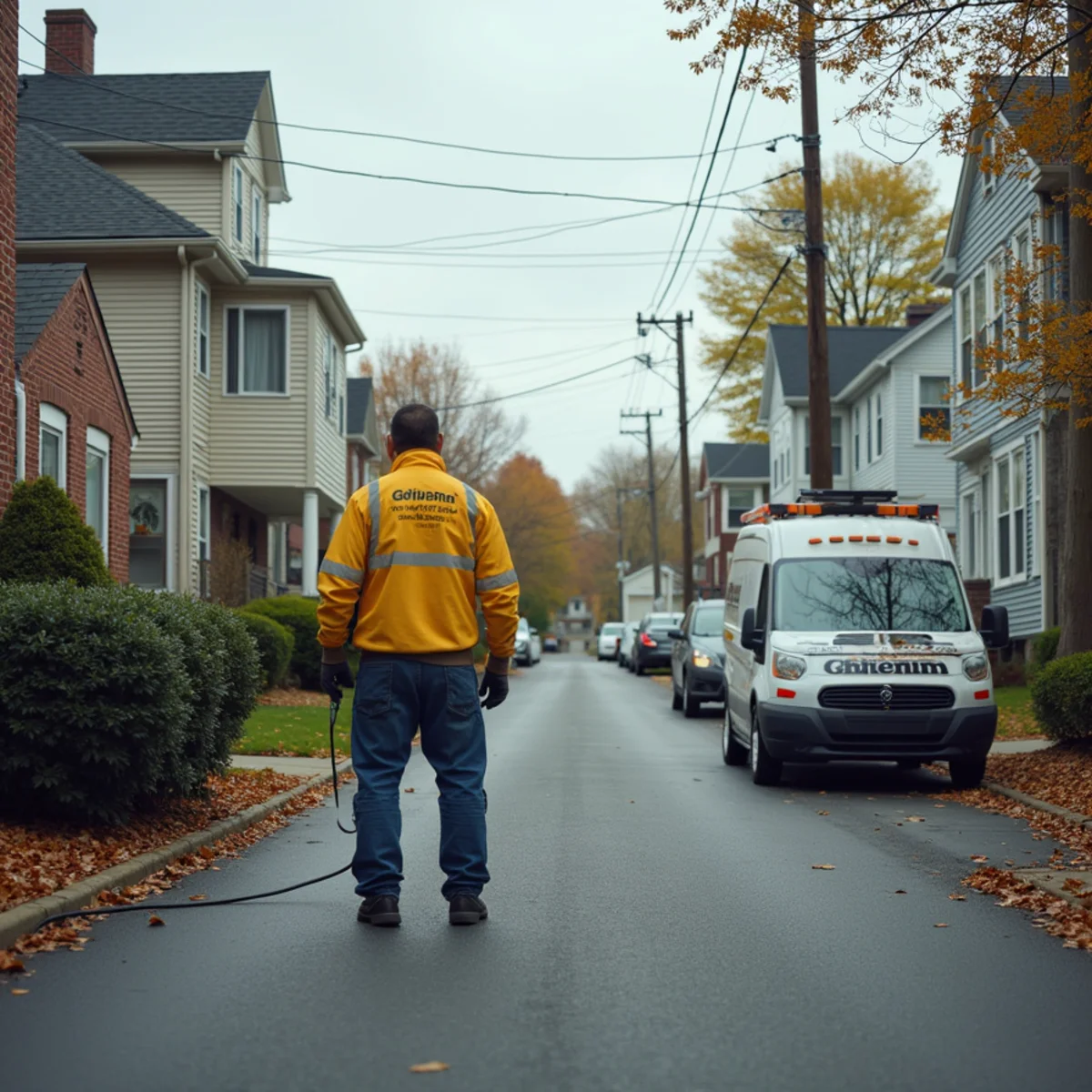
Why does Central Massachusetts weather hit exteriors so hard?
Worcester County sits inland and up in elevation, and that geography drives everything an exterior has to endure. The Worcester area averages far more snow than coastal communities barely forty miles away, with a season that stretches long past what the shore sees, so walkways, steps, foundations, and lower siding spend months in contact with plowed snow, road salt, and sand.
Summers here are warm and humid, and the county's dense tree canopy and hilly, close-set neighborhoods keep large stretches of every property in shade. North-facing walls and roof slopes that never fully dry out become ideal ground for algae, moss, lichen, and mildew. Add spring pollen and tree sap, winter road-salt residue, and the freeze-thaw cycling that works moisture into masonry, and you have a climate that grows organic staining faster than a drier or sunnier region would.
None of this reflects how a home is kept. A shaded three-decker or a granite-stepped Victorian greens up on the damp side simply because it stays cool and wet, and the right response is a method matched to why the growth is there, not a harder blast of water.
From three-deckers to mill brick: the range of housing across Worcester County
Worcester County's building stock tells its industrial story, and each surface asks for a different touch. The three-decker apartment house was born in Worcester and fills block after block of the city and its neighbors — tall wood-frame homes in clapboard, vinyl, and older painted trim, packed close enough that the shaded walls between them trap moisture. Those surfaces call for gentle, low-pressure soft washing, never high-pressure blasting that can drive water behind siding or strip paint.
Along the Nashua River in Fitchburg and Leominster, and through the Blackstone Valley mill villages to the south, you find Victorian factory brick, grand nineteenth-century homes, and the early three-deckers and duplexes built to house mill workers. Fitchburg's stately Highland Avenue houses, Leominster's Monument Square district, and Gardner's furniture-era neighborhoods all sit alongside converted mill blocks of aged brick and granite.
Historic and antique masonry is its own problem. Old brick with soft lime mortar, granite foundations and steps, and century-old painted wood are far more fragile than modern fiber cement or poured concrete. On surfaces like these we favor low pressure and the right cleaning solution, and we test our approach on an inconspicuous area first. Sturbridge-era antique homes, hill-town farmhouses near the Quabbin, and modern vinyl-clad subdivisions in Shrewsbury each land in a different place on that spectrum — which is why one setting can't safely clean them all.
The exterior problems we see most often in the Heart of the Commonwealth
The black streaks running down so many Worcester County roofs are not dirt. They are Gloeocapsa magma, a hardy blue-green algae that feeds on the limestone filler in asphalt shingles and thrives on damp, shaded northern slopes. High pressure strips the protective granules from the shingle and can void the manufacturer's warranty, which is why a roof is a soft-wash-only surface: a low-pressure biodegradable solution that kills the organism at the root and lets the streaks rinse and weather away.
On siding, the same shaded, humid conditions produce green algae and gray mildew, heaviest on north walls under the tree line. Moss and lichen take hold on cool, damp roofs and on granite steps and foundations in the hill towns. Historic mill brick shows carbon soot and white efflorescence where moisture pulls mineral salts to the surface. And after every long winter, road salt and sand leave a dull residue on walkways, entry steps, and lower foundations.
Each of these has a cause, and the honest expectation is restoration rather than permanence. Soft washing removes the growth and knocks back the biology so a surface looks clean again and stays cleaner longer, but organics recur in a climate this damp. Periodic maintenance keeps them in check — no single cleaning stops regrowth for good.
When is the best time to clean exteriors in the New England seasons?
Spring is the natural reset. Once the snow is gone, a wash clears the winter's road-salt film, the pollen that coats everything in Central Mass, and the sap and debris built up over the cold months — a good moment to open up shaded walls before the humid growing season lets algae take off again.
Summer and early fall are prime working windows, with warm, dry stretches that let solutions dwell and surfaces rinse and dry properly. Fall in particular is a smart time to soft wash roofs and siding and to clear organic growth before it spends another winter locked under snow and ice. Freeze-thaw cycling can work trapped moisture and biological growth deeper into masonry, so heading into winter with clean, dry surfaces is genuinely protective.
Deep winter is not the season for exterior washing here — cold and long snow cover make it impractical, and it is the time to plan the spring visit rather than perform one. If you are weighing timing, call (351) 242-0666 and we can talk through what makes sense for your surfaces.
Soft washing versus controlled pressure: matching the method to the surface
The distinction that protects your home is the one between soft washing and pressure washing. Soft washing applies a biodegradable cleaning solution at very low pressure — closer to a garden hose than a power washer — using surfactants and, where appropriate, a controlled amount of sodium hypochlorite to kill algae, mildew, and moss at the root. Because it relies on the solution rather than force, it cleans delicate surfaces without driving water behind them or damaging what it touches.
Roofs, painted and natural wood, vinyl and fiber-cement siding, stucco, and fragile historic masonry are soft-wash surfaces. We never pressure-wash a roof or delicate siding — the risk of stripped granules, forced-in moisture, oxidized-vinyl streaking, and eroded soft mortar is simply too high, and the gentle method cleans them more thoroughly anyway.
Controlled pressure has its place on durable hardscape: concrete driveways and walkways, paver patios, retaining walls, and steps that can take mechanical cleaning. Even there, we match pressure and technique to the material, mindful of paver joint sand and softer concrete. Matching method to surface is the whole job — it is why we would rather confirm the right approach for your building than promise a single one-size wash.
How does Craft Bros cover Worcester County?
We want to be straight about this, because it matters for scheduling. Craft Bros Exterior Cleaning is rooted in Longmeadow and Hampden County in the Pioneer Valley, and Worcester County sits to our east. We are extending our coverage that way, but we do not keep a local office or a crew staged in Worcester, and we can't promise same-day visits across the county.
What we can offer is the same careful, surface-specific approach we use at home, brought to Worcester County properties by request. Coverage and scheduling depend on the town, the season, and the work. Whether you are in Worcester, Fitchburg, Leominster, Shrewsbury, Milford, Gardner, or one of the smaller hill and valley towns, tell us where you are and what you need cleaned.
Call (351) 242-0666 or send a message with the surfaces you have in mind — roof, siding, brick, concrete, or a full exterior — and we will tell you plainly whether we can schedule your property and what a visit would involve. A free estimate and a clear scope of work come before any job.
Where We Work in Worcester County
Common Exterior Problems in Worcester County
- Gloeocapsa magma algae streaks on shaded three-decker roofs and close-set, north-facing shingle slopes
- Green algae and gray mildew on damp, tree-shaded siding, heaviest on north walls that never fully dry
- Carbon soot, efflorescence, and mineral staining on historic mill and factory brick along the Nashua and Blackstone rivers
- Moss and lichen on cool, damp hill-town roofs and on granite foundations and steps near the Quabbin
- Prolonged road-salt and sand residue on walkways, entry steps, and lower foundations after long snow-belt winters
- Softened lime mortar and fragile antique masonry that high pressure can erode on nineteenth-century brick
- Mildew, cobwebs, and foot-traffic grime on dense multifamily and college-area rental housing
Services Available Across the County
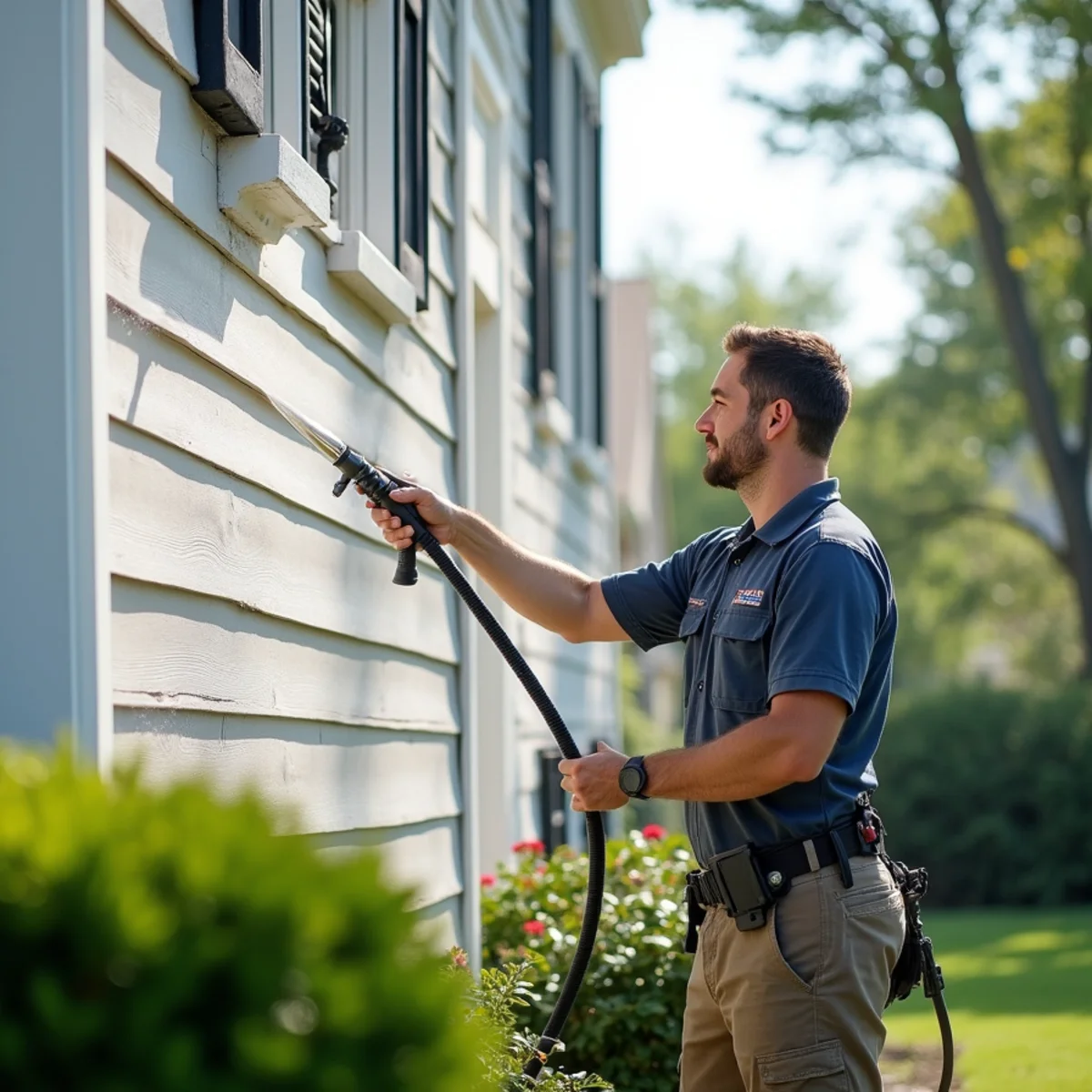
House Washing
Gentle, low-pressure siding cleaning that lifts algae and grime without forcing water behind your siding.
Low-pressure soft washingLearn more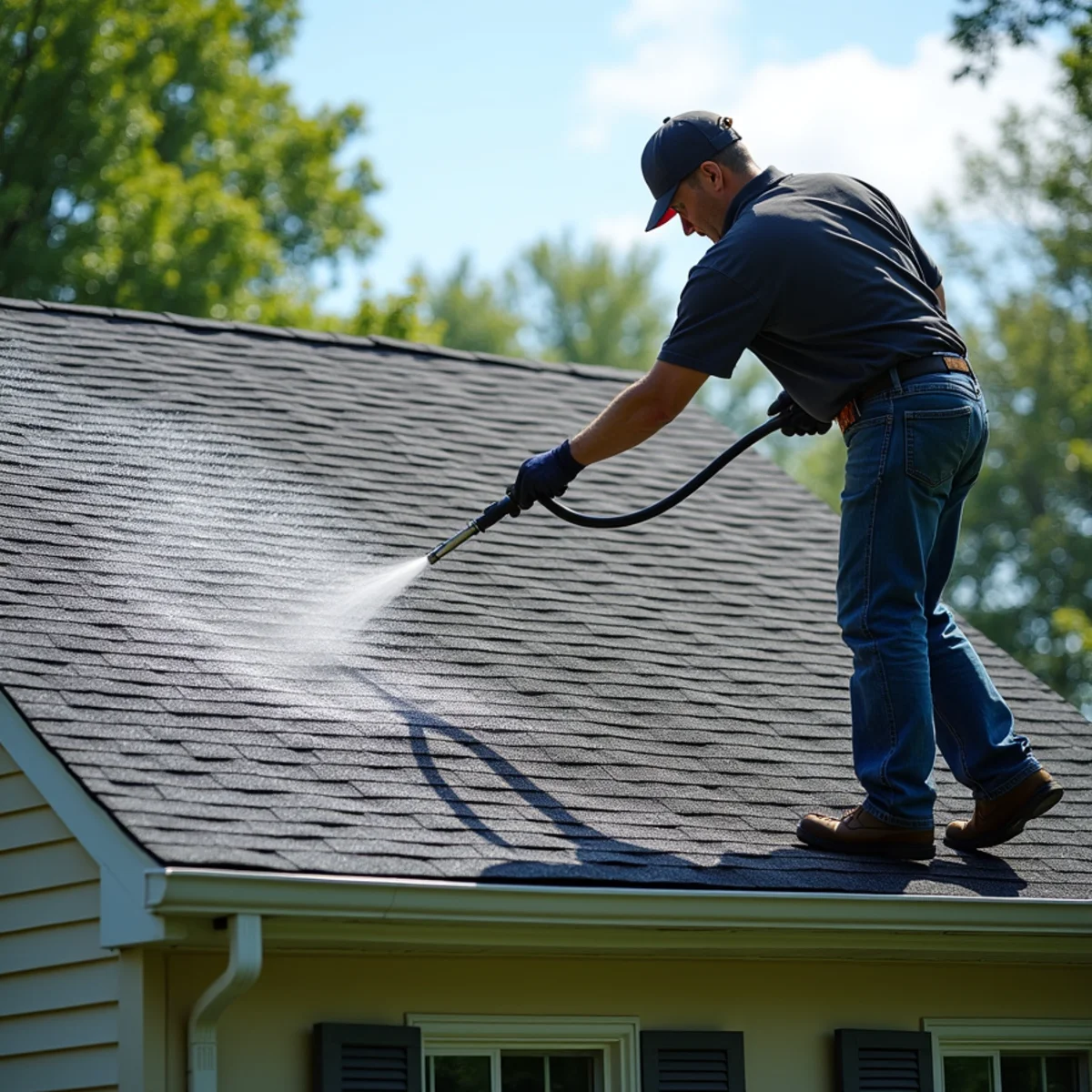
Roof Cleaning
Roof-safe soft washing that removes black streaks, moss, and lichen without ever putting high pressure on your shingles.
Low-pressure soft washingLearn more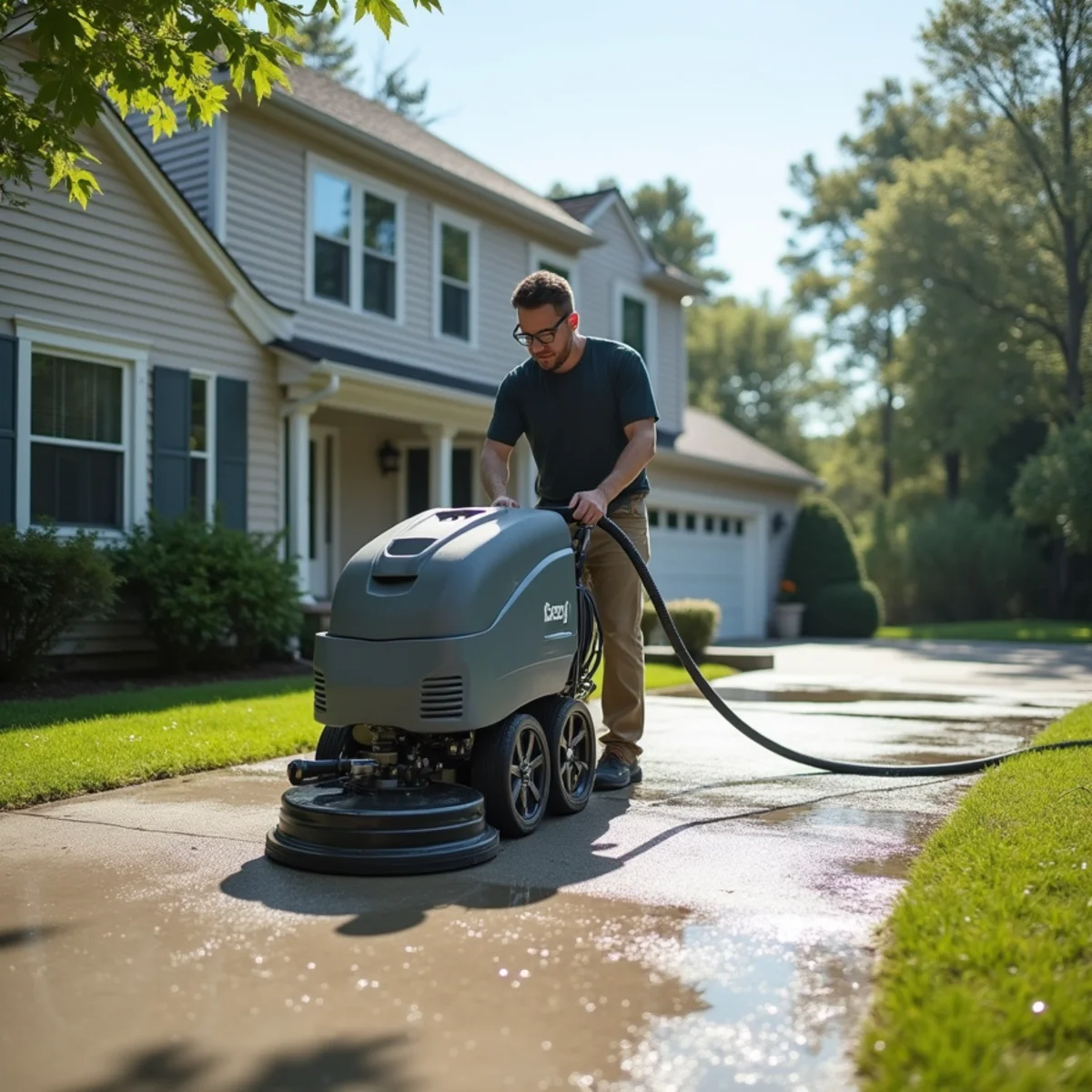
Driveway Cleaning
Even, streak-free concrete cleaning that lifts algae, tire marks, leaf tannin, and winter salt residue from your driveway and hardscape.
Controlled pressure washingLearn more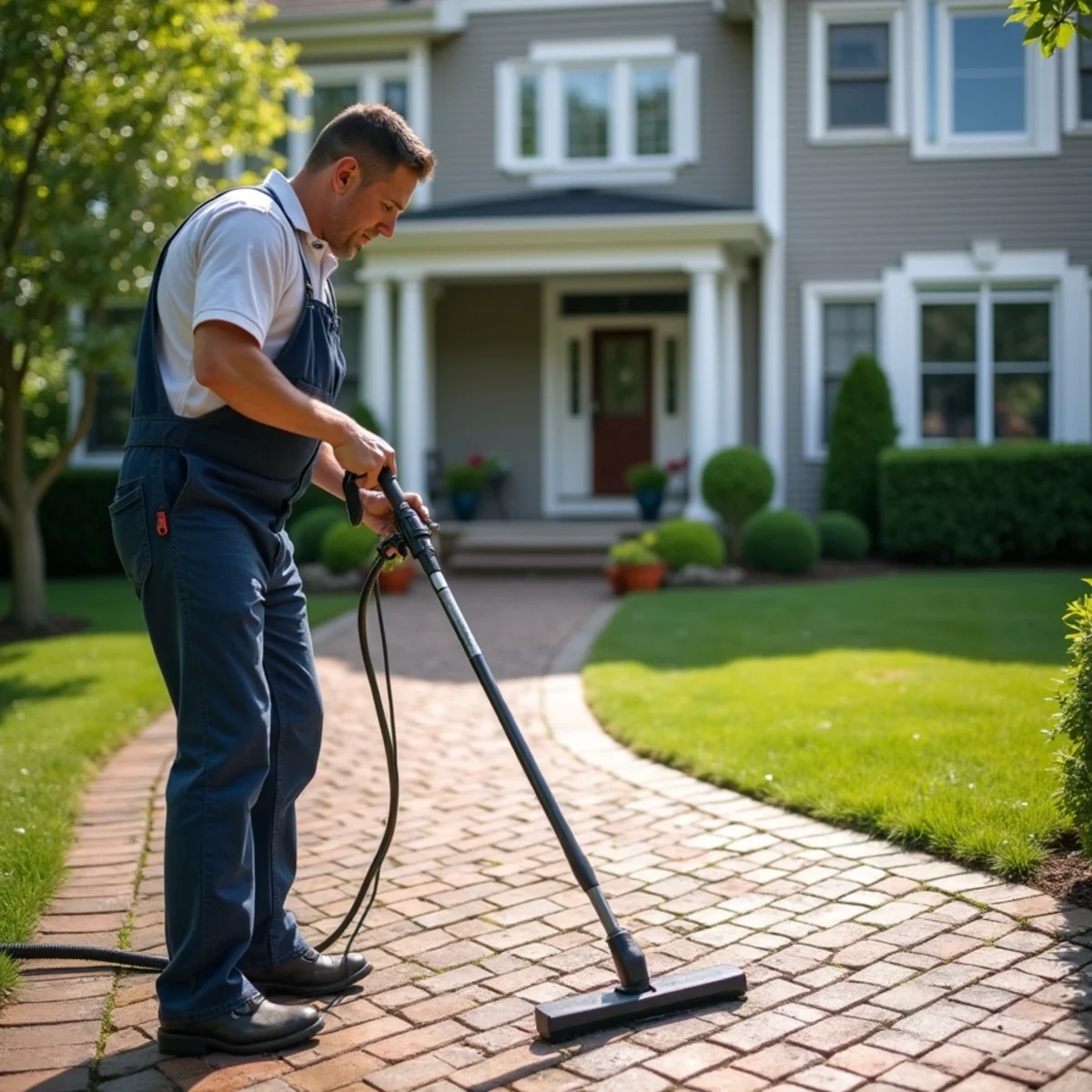
Patio & Walkway Cleaning
Joint-safe cleaning for pavers, brick, and stone that clears moss and organic film without blowing out the sand.
Controlled pressure washingLearn more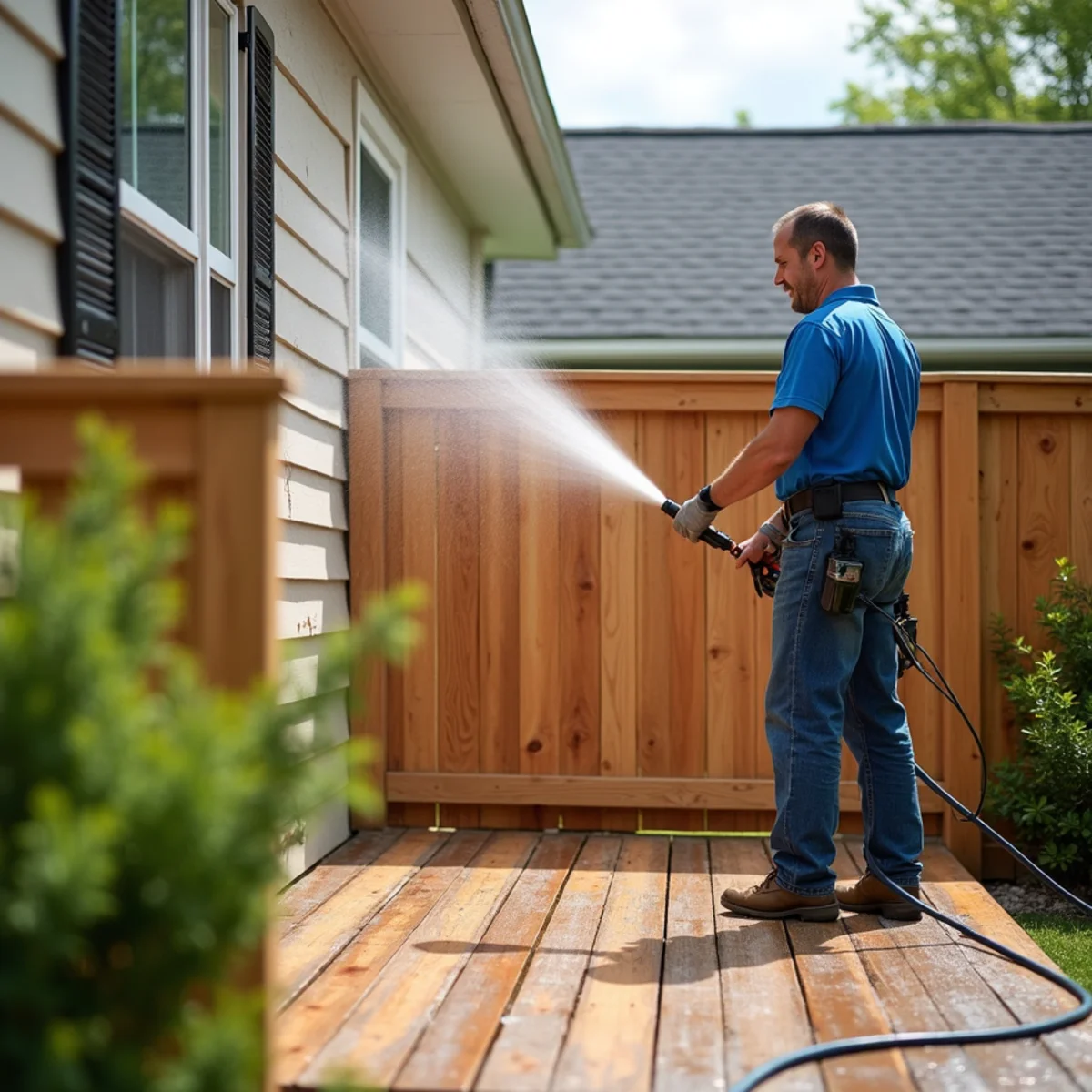
Deck & Fence Cleaning
Wood-safe cleaning that lifts grey weathering and mildew from decks and fences — and preps the wood for sealing.
Low-pressure soft washingLearn more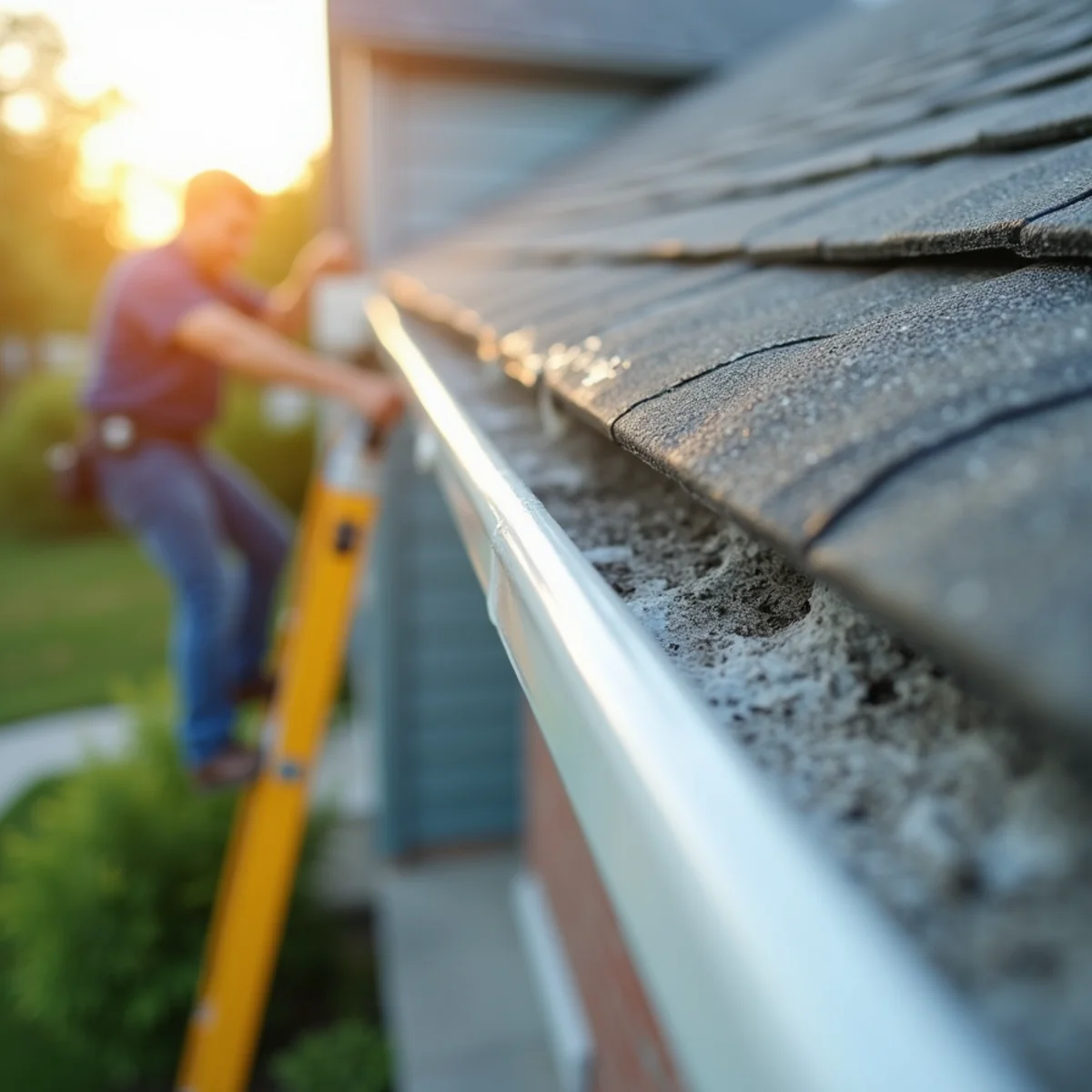
Gutter Cleaning
We clear the debris inside and brighten the black oxidation streaks on the outside — two different jobs, done right.
Low-pressure soft washingLearn more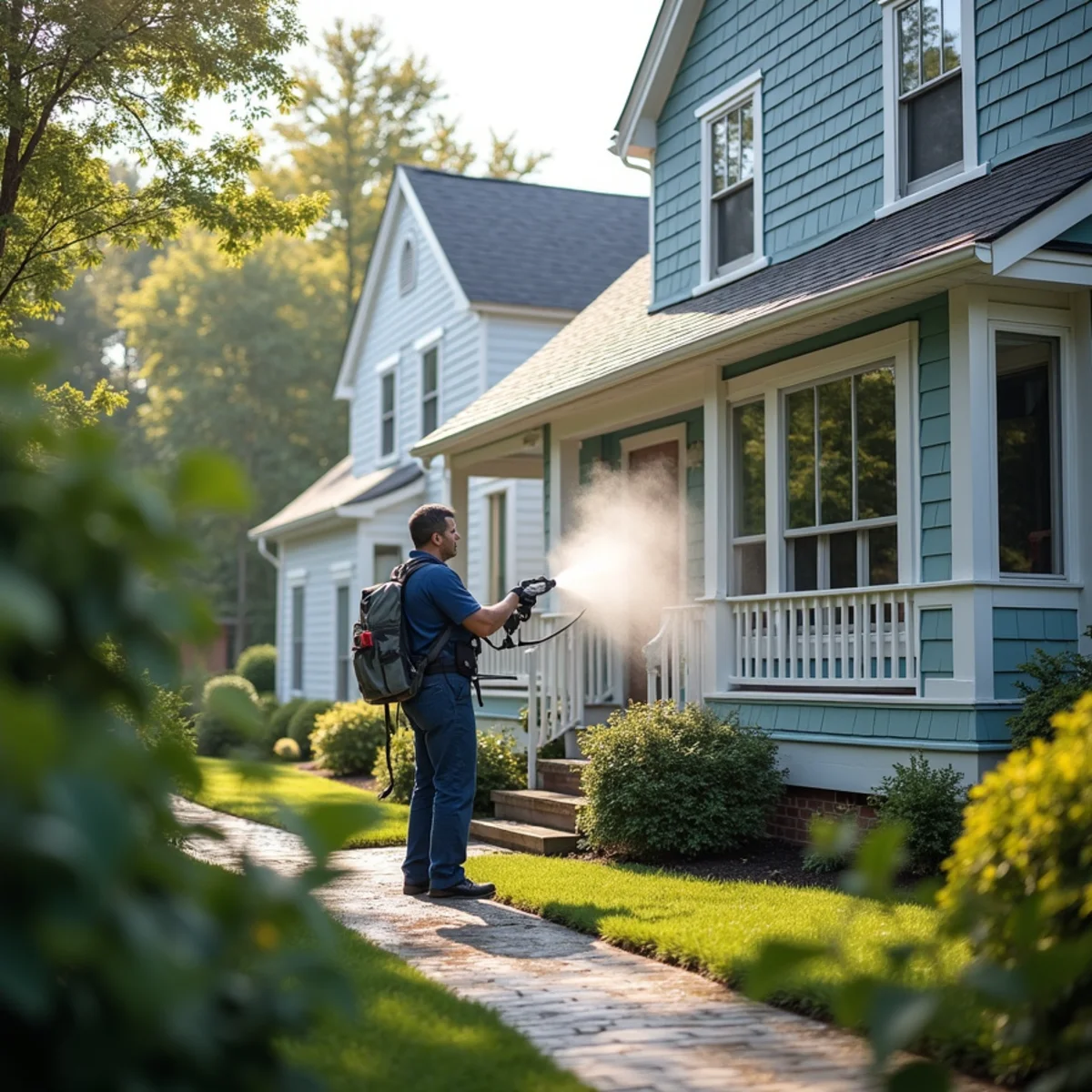
Soft Washing
Our core specialty: low-pressure, biodegradable cleaning for roofs, siding, and every delicate surface high pressure would ruin.
Low-pressure soft washingLearn more
Commercial Exterior Cleaning
Exterior cleaning for storefronts, offices, multifamily properties, and the property managers who maintain them.
Hybrid (soft-wash pre-treatment + controlled pressure)Learn moreBuilt for Worcester's Three-Deckers and Mill-Town Brick
Worcester County's housing carries its industrial past: block after block of three-decker apartment houses — a form born in Worcester itself — alongside converted mills and Victorian homes wrapped in wood clapboard, vinyl, and granite. Those dense, close-set walls trap shade and moisture, so north-facing siding turns green and roofs streak black with Gloeocapsa magma long before the paint fails. On wood three-deckers and older painted trim we lean on gentle, low-pressure soft washing rather than blasting, and on historic mill brick and granite we test our approach on an inconspicuous spot before committing to an elevation. Mill masonry, granite, and delicate siding are different problems, because they are — and we would rather confirm the right method for your building than promise a one-size-fits-all wash.
Towns We Cover in Worcester County
Don't see your town? We serve the whole county — call us to confirm scheduling in your area.
The Right Method for Every Surface
Soft Washing
Low pressure (under 500 PSI) plus a biodegradable solution.
- Roofs & shingles
- Siding (vinyl, wood, fiber cement)
- Stucco & painted surfaces
- Historic wood & antique brick
- Screened porches & trim
Controlled Pressure Washing
Higher pressure matched to durable, hard surfaces.
- Concrete driveways
- Walkways & steps
- Paver & stone patios
- Brick in good condition
- Pool decks & hardscape
Worcester County FAQs
We are rooted in Longmeadow and Hampden County, in the Pioneer Valley, and Worcester County sits east of us in Central Massachusetts. We are extending our coverage in that direction, but we won't overstate it: we don't keep a local office or a crew staged in Worcester, and we can't promise same-day visits there. The honest answer is to call (351) 242-0666 or send a message with your town and the surfaces you need cleaned, and we'll tell you whether we can schedule your property and what a visit would involve.
Yes — soft washing is the roof-safe method. It applies a cleaning solution at low pressure to kill the black-streak algae and moss common in our river valley, without the high pressure that strips shingle granules. It's the approach aligned with roofing-manufacturer guidance.
We pre-wet all landscaping, cover delicate plants, and rinse thoroughly. Solutions are applied and rinsed following product-specific guidance to protect your plantings — we don't treat any solution as harmless, so careful handling is part of every job.
It depends on the surfaces and the size of your home. As a rough guide, a house wash often takes 2–4 hours, roof cleaning 3–6 hours, and driveways 1–3 hours. We give you a specific estimate during your assessment.
Not necessarily, as long as we have access to water and the areas being cleaned. Many homeowners prefer to be present for the initial walkthrough, but we can complete the work while you're away.
Request an Estimate in Worcester County
Ready to Refresh Your Worcester County Property?
Request an estimate for pressure washing or soft washing in Worcester County and surrounding Massachusetts communities.