
Moss & Mildew Removal in Longmeadow, MA
Root-level treatment for the moss, lichen, and mildew that take over shaded, tree-covered New England properties.
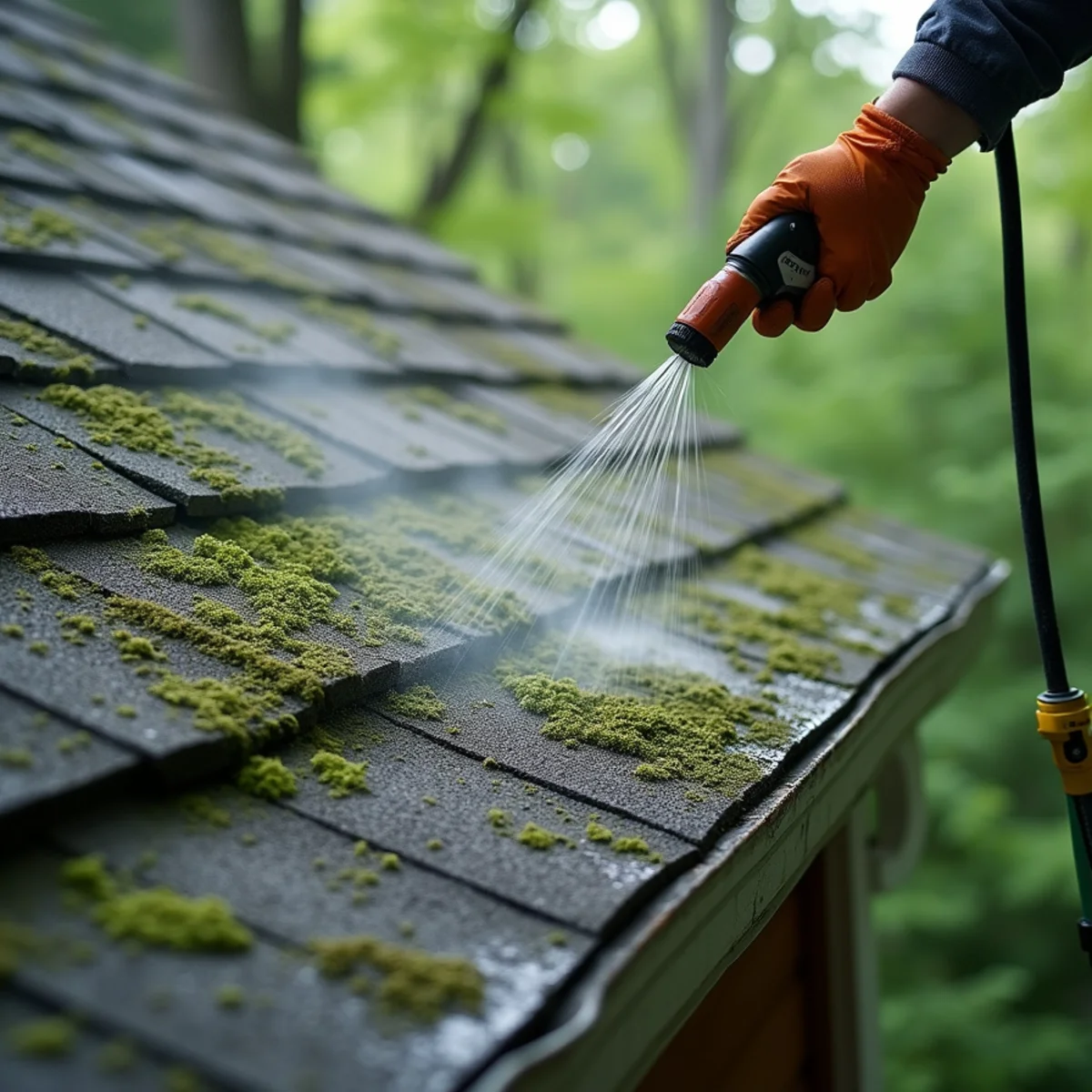
Under a heavy tree canopy, moss, lichen, and mildew take over the shaded, damp side of a property. North-facing roof slopes, walls tucked under oaks and maples, fences, and hardscape all become a home for organic growth that never gets enough sun to dry out.
We treat that growth at the root with a low-pressure soft wash rather than just scrubbing or blasting the surface. Killing the moss, lichen, and mildew where it anchors clears it more completely and slows how fast it returns, without stripping shingles or forcing water behind siding.
Every surface gets a solution and pressure matched to it, from asphalt shingles and cedar clapboard to concrete and paver hardscape, so shaded homes across Longmeadow and Hampden County get clean without the damage high pressure would cause.
Recommended method
Low-pressure soft washing
Root-level treatment for the moss, lichen, and mildew that take over shaded, tree-covered New England properties.
Moss, lichen, or mildew? Know what's actually growing
Homeowners tend to call any green or black growth "mold," but moss, lichen, mildew, and algae are different organisms that call for different handling. Moss is the thick, spongy green carpet that builds up along shingle edges and in shaded paver joints, and it holds water like a sponge. Lichen is the crusty, gray-green or pale rosette that bonds tightly to roof granules and stone. Mildew and mold are the powdery or blotchy black-to-gray films that spread across damp, north-facing walls and trim. Green algae is the thin film that shades siding and fences.
Identifying what you have matters, because each one releases and regrows differently. Moss lifts away in mats once it is killed and loosened, mildew rinses off a wall fairly readily, and lichen is anchored into the surface and lets go slowly over weeks. We look at the actual growth before we choose a solution strength and dwell time. One blanket approach either leaves growth behind or risks the surface it is sitting on.
Why shaded valley homes grow so much of it
The Pioneer Valley gives moss and mildew everything they need. Humid summers, a mature tree canopy over older neighborhoods, and the moisture that hangs in the Connecticut River valley keep shaded surfaces damp long after the rest of the house has dried. North-facing roof slopes, walls tucked under mature oaks and maples, and the shaded back corners of a lot rarely see enough direct sun to dry out between rains.
That is why the growth clusters where it does. In Longmeadow, East Longmeadow, Wilbraham, and Hampden we see the same pattern again and again: a bright, clean south face and a green-black north side on the very same house. Leaf litter and tree debris feed the organisms, spring pollen and tree sap add to it, and every damp season gives moss and lichen another foothold. It is not a sign of neglect. It is the local climate doing what it does to a shaded exterior.
What moss and lichen do to a roof if you leave them
On an asphalt roof the damage is real, not just cosmetic. Moss grows up and under the bottom edges of shingles, lifting them and opening a path for wind and water. Because it holds moisture against the roof, the deck and shingles stay wet, and that speeds granule loss and rot. Lichen roots down into the granule layer and slowly etches the shingle surface it clings to, which is harder to reverse the longer it sits.
Left long enough, that trapped moisture works into fascia, soffits, and sheathing, and a roof that should have lasted years longer starts to fail early. On siding and trim, persistent mildew and algae keep paint and wood damp, which shortens their life too. Clearing the growth and slowing its return protects the surfaces underneath. That is the real reason to treat it, well beyond how the north side of the house looks from the street.
How our soft-wash treatment kills growth at the root
We clean these surfaces with a soft wash, not a pressure washer. Soft washing applies a biodegradable cleaning solution at low pressure, closer to the flow of a garden hose than a blast, so the work is done chemically instead of by force. The solution kills moss, lichen, mildew, and algae at the root rather than only knocking the visible top layer off, which is why the growth clears more completely and comes back more slowly.
The method is matched to the surface. A steep asphalt roof, cedar clapboard, and a concrete walkway each get a solution strength, dwell time, and rinse suited to them. Where heavy moss has built up in mats, we gently clear the loosened material rather than grinding at the surface beneath it. Before we start and again when we finish, landscaping and plants are pre-wet and rinsed so the solution does not sit on them.
What to expect after treatment, and why lichen fades slowly
Mildew and algae usually rinse away during the visit, so walls, fences, and siding look clean the same day. Moss dies off and keeps loosening over the following days and weeks. Where it was thick, some of the killed mat sheds gradually with wind and rain rather than all falling away at once, so a roof continues to improve after we leave.
Lichen is the patient one. Because it is anchored into the granules, it does not drop off immediately even once it is dead. It typically fades and releases over several weeks to a few months, helped along by normal weather. We would rather tell you that up front than promise a bare roof the same afternoon. Scrubbing lichen off aggressively to force the issue is exactly what strips a shingle, so we let the treatment and the weather do it the safe way.
How often a shaded Hampden County property needs treating
No treatment is permanent, because the shade and moisture that grew the moss in the first place are still there. What a root-level soft wash buys you is time. On a sunnier, more open lot, results often hold for several years. Under a heavy canopy on a north-facing slope, growth can begin to return sooner, so those properties benefit from a shorter maintenance interval.
The most cost-effective approach is a periodic maintenance wash before growth re-establishes, rather than waiting until moss is thick again and doing more damage. Thinning back overhanging branches to let more light and air onto the roof, and keeping gutters and valleys clear of leaf litter, both slow regrowth between visits. When we look at your property, we will suggest a realistic interval for it rather than a one-size-fits-all schedule.
Why we won't pressure wash a moss-covered roof
It is tempting to think more pressure means a cleaner roof, but high pressure on asphalt shingles strips the protective granules, shortens the roof's life, and can void the shingle warranty. That is why we never pressure wash a roof or delicate siding. The repair would cost far more than the moss ever would. Manual scraping alone has the same problem: it damages the surface and leaves the roots behind, so the growth simply returns.
DIY roof work is also genuinely dangerous. Moss makes an already steep, slick surface slicker, and ladder falls are one of the most common serious home-maintenance injuries. Between the height, the pitch, and handling cleaning agents around plants and pets, this is a job where hiring it out is usually the safer call. If you would rather leave it to us, we will take a look and give you a free estimate.
Problems This Service Solves
- Thick green moss lifting the edges and butt joints of asphalt shingles
- Crusty gray-green lichen etched into roof granules and stone
- Powdery mildew and black mold on damp, north-facing walls and trim
- Green algae film shading fences, siding, and soffits
- Moss and weeds filling the joints of paver walkways and patios
- Recurring growth on homes under heavy tree canopy
- Slippery, discolored decks, steps, and walkways in shaded yards
- Moisture-holding growth that keeps surfaces damp and speeds rot
What's included
- On-site inspection to identify the growth and the surfaces involved
- Low-pressure soft-wash application of a biodegradable cleaning solution
- Root-level treatment that kills moss, lichen, mildew, and algae rather than only removing the visible top layer
- Gentle clearing of loosened moss mats and debris where needed
- Pre-wetting and rinsing of landscaping, plants, and adjacent surfaces
- Controlled rinse and cleanup of treated areas
- Honest guidance on realistic timelines and a maintenance interval for your property
Benefits
- More complete removal than surface scrubbing or a quick rinse
- Slows regrowth so shaded surfaces stay clean longer
- Protects shingles, mortar, wood, and paint from trapped moisture
- No high-pressure blasting that could strip granules or force water behind siding
- Restores curb appeal on the shaded side of the house
- Safer footing on decks, steps, and walkways
- Treatment matched to each surface and each type of growth
Surfaces we treat
- Asphalt shingle roofs
- Cedar, vinyl, and fiber-cement siding
- Painted trim, soffits, and fascia
- Wood and vinyl fencing
- Concrete, brick, and paver walkways and patios
- Decks, stairs, and shaded retaining walls
- Stone and masonry garden features
Safety & protection
- Low-pressure soft wash on all roofs and delicate siding
- Cleaning solution mixed and dwell-timed to the surface and severity of growth
- Landscaping and plants pre-wet before treatment and rinsed again afterward
- Adjacent surfaces, fixtures, and hardware protected during application
- Controlled application to limit overspray and runoff onto sensitive areas
- Methods kept consistent with shingle-manufacturer guidance to protect warranties
- Careful handling of cleaning agents and attention to ladder and roof safety
What to Expect
Request an estimate
Call or send us a few details and photos. We respond with next steps and, where possible, a preliminary range before we visit.
Property & surface assessment
We look at each surface — siding, roof, hardscape — and identify the material, its condition, and the buildup we're dealing with.
Written scope of work
You get a clear, written estimate that spells out which surfaces we'll clean and the method we'll use on each one.
Property & plant protection
On service day we pre-wet landscaping, cover delicate plants, and take steps to protect fixtures before any solution is applied.
Surface-specific cleaning
We match the pressure and cleaning solution to the material — gentle soft washing for delicate surfaces, controlled pressure for durable hardscape.
Final walkthrough
We rinse thoroughly, remove protective coverings, tidy up, and walk the property with you to confirm you're happy with the result.
Before & After
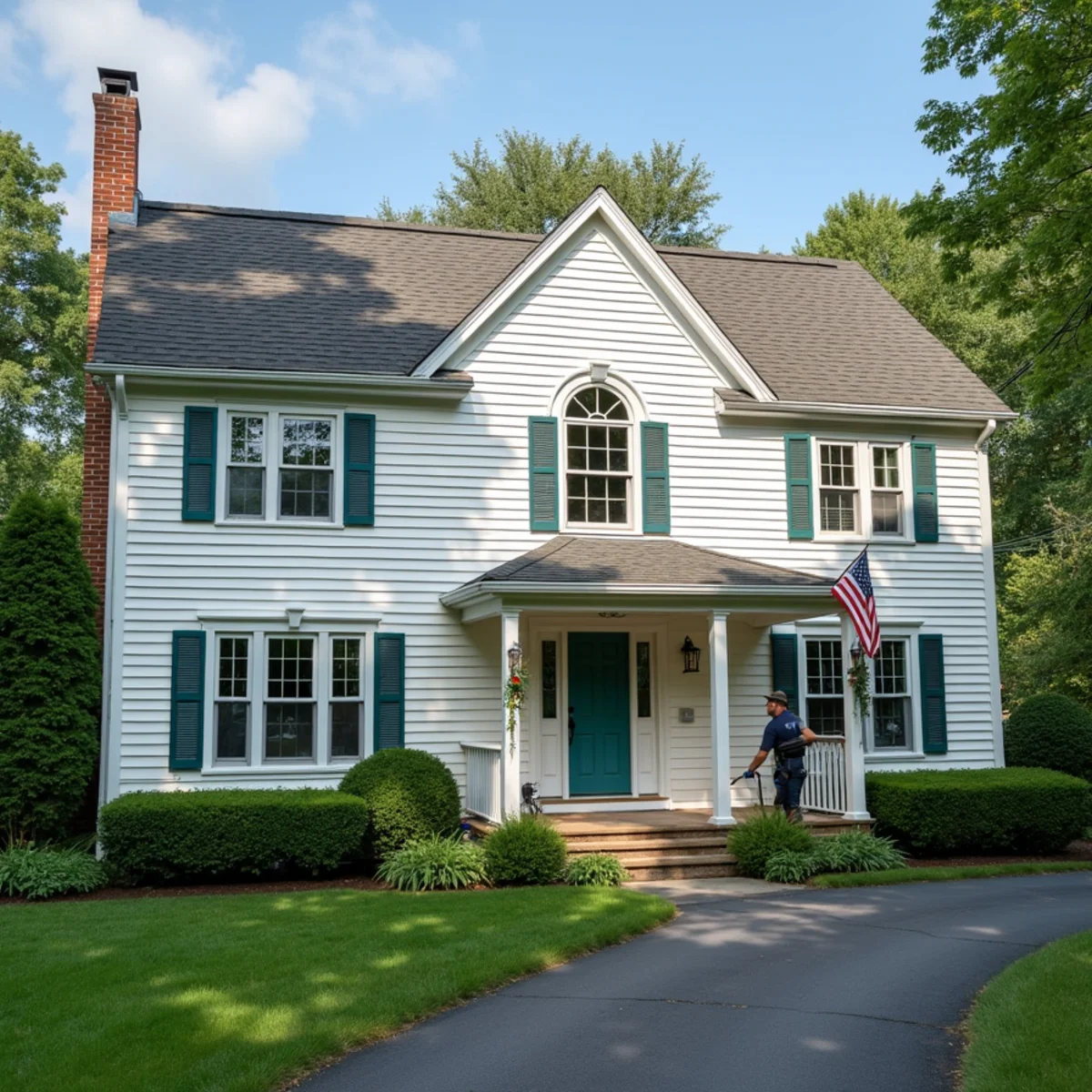
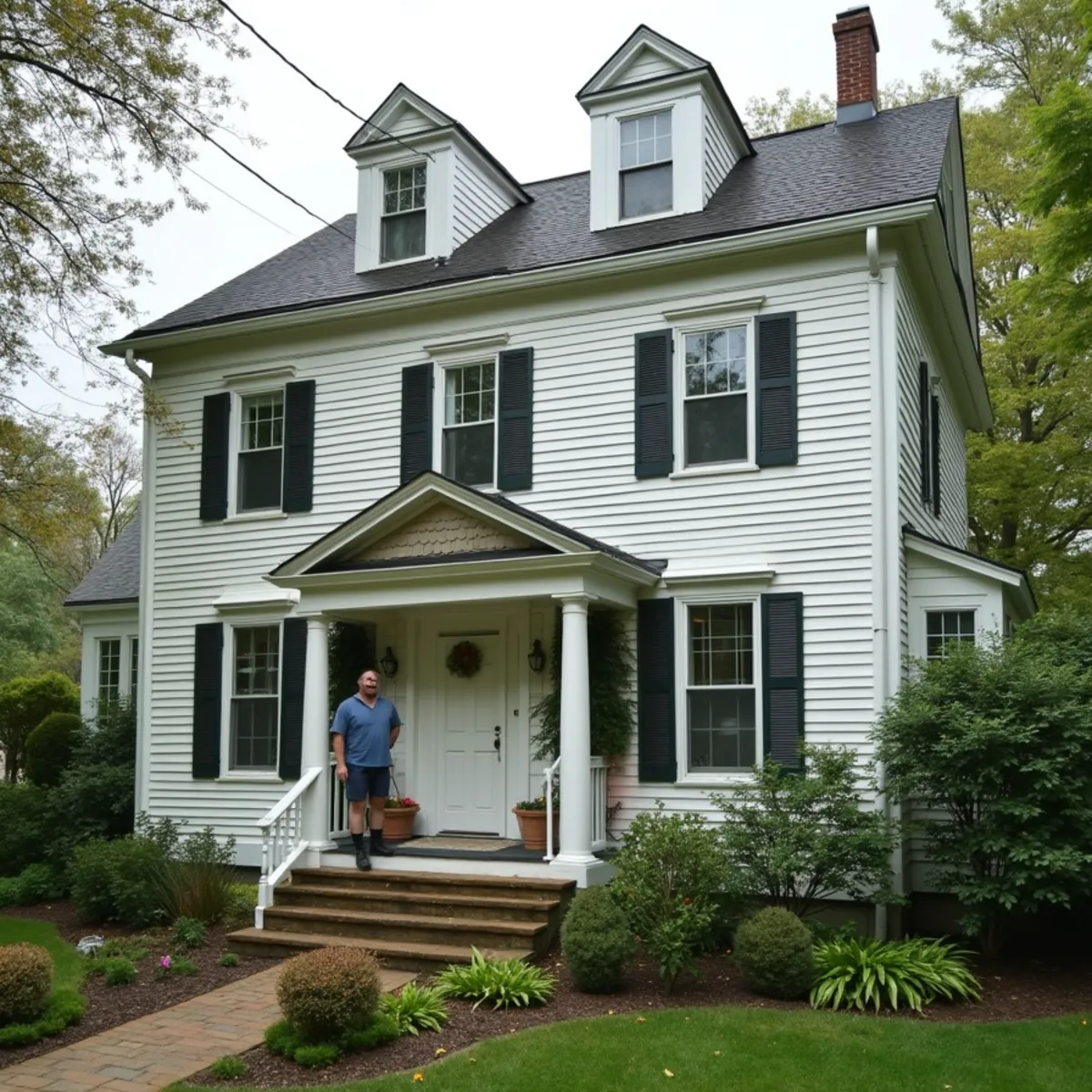
Related Services
Moss & Mildew Removal FAQs
They are different organisms that behave differently. Moss is the thick, spongy green growth that builds up along shingle edges and paver joints and holds water. Lichen is the crusty gray-green patch bonded tightly to roof granules and stone. Mildew and mold are the powdery black-to-gray films on damp, shaded walls. We identify what you have before treating, because each one releases and regrows at a different rate.
It is both. Moss grows up and under the edges of asphalt shingles, lifting them and letting wind and water in, and it holds moisture against the roof that speeds granule loss and rot. Lichen etches into the granule layer over time. Left long enough, the trapped moisture reaches fascia and sheathing. Clearing it protects the roof underneath, not just its appearance.
Yes, with the right precautions, which we take as standard. The cleaning solution is biodegradable, and we pre-wet landscaping and plants before we start and rinse them again afterward so nothing sits on them. We keep application controlled to limit overspray and runoff. Pets should stay off treated hardscape until it has dried, after which it is fine for them to use again.
Because lichen is anchored into the shingle granules, it does not drop off the moment it is killed. It fades and releases gradually over several weeks to a few months, helped by normal weather. Moss also continues to loosen and shed for days afterward where it was thick. Forcing dead lichen off by scrubbing is what damages a shingle, so we let the treatment and the weather finish the job.
It depends on how much shade and moisture the surface gets. A sunnier, more open lot often holds results for several years, while a north-facing roof under heavy tree canopy can start to regrow sooner. No treatment is permanent, because the conditions that grew the moss are still there. A periodic maintenance wash before growth re-establishes is more cost-effective than waiting until it is thick again.
You can, but both come with real risks. High pressure strips the protective granules off asphalt shingles and can void the warranty, and scraping damages the surface while leaving the roots behind, so growth returns. On top of that, moss makes a steep roof slick, and ladder falls are a common serious injury. A low-pressure root treatment is safer for both you and the roof.
Cost depends on the size and pitch of the roof or the area being treated, the surface material, how much access and setup the job needs, how heavy the growth is, and how many surfaces are involved. Because those vary from home to home, we give you a firm price after we have looked rather than a guess over the phone. Request a free estimate or call (351) 242-0666.
Ready to Refresh Your Property?
Request an estimate for pressure washing, house washing, roof cleaning, or soft washing in Longmeadow and surrounding communities.