
Paver Cleaning in Longmeadow, MA
Joint-safe cleaning that lifts moss, weeds, and grime and brings paver color back to life without washing out the stabilizing sand.
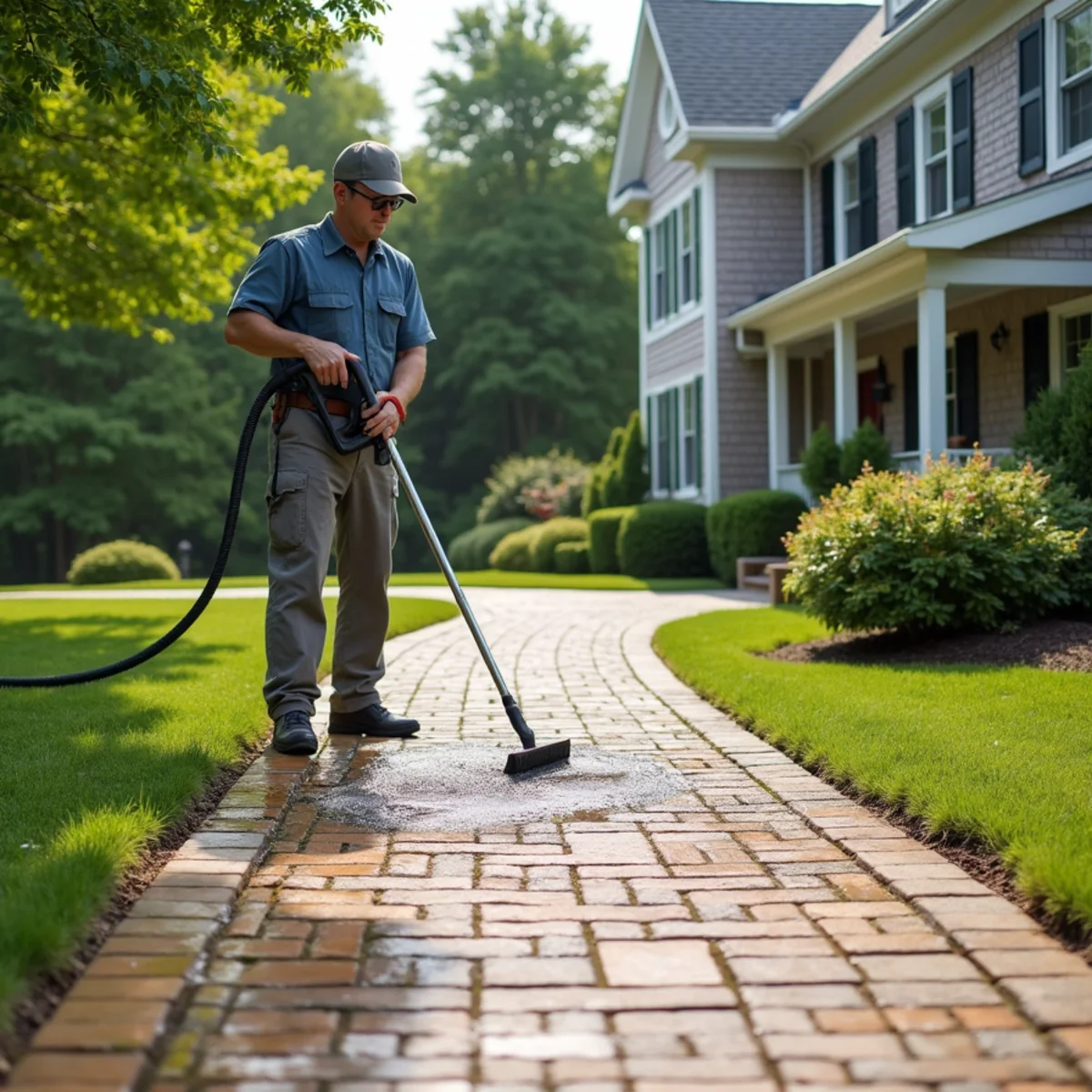
A paver patio or walkway is one of the best-looking features on a New England property, but it is also one of the hardest to keep clean. The narrow joints between the pavers trap moisture, organic film, weed seeds, and windblown debris, and by their second or third summer in the Connecticut River valley most patios have gone dull, streaked with green-black algae, and dotted with moss and grass sprouting from the sand.
The problem with most cleanup attempts is technique. Blast a paver joint with a straight high-pressure wand and you strip out the stabilizing sand, gouge the fine top layer that gives the paver its color, and leave uneven zebra striping behind. Craft Bros Exterior Cleaning cleans pavers the careful way instead: a low-pressure biodegradable treatment that kills the organics at the root, followed by controlled pressure and high flow tuned to lift grime without emptying the joints.
We serve Longmeadow and Hampden County, and we treat every paver surface as its own puzzle, from a shaded backyard patio to a clay-brick front walk to a wide paver driveway. If the joints need re-sanding to lock everything back in, we will show you and explain your options before we do anything.
Recommended method
Controlled pressure washing
Joint-safe cleaning that lifts moss, weeds, and grime and brings paver color back to life without washing out the stabilizing sand.
What the Connecticut River Valley Does to Your Pavers
Pavers in Western Massachusetts live a hard life. Our humid summers and the heavy mature tree canopy over so many Longmeadow and Hampden County yards keep patios shaded and damp, and shaded, damp masonry is exactly where algae, moss, and lichen thrive. North-facing walkways and patios tucked beside the house often stay green year-round because the sun never fully dries them.
The seasons pile on from there. Spring coats everything in tree pollen and sap; summer feeds the organic film; fall drops leaves that stain the surface with tannins as they sit and rot in the joints. Then winter brings the freeze-thaw cycles the Pioneer Valley is known for, along with de-icing salt that gets tracked across driveways and front walks. Every freeze that lifts a paver and every thaw that drops it back down works joint sand loose, and once the sand is low, water, weeds, and more organic growth move right in.
Why the Method Matters More Than the Pressure
The instinct with a dirty patio is to reach for the highest-pressure setting available, but on pavers that is the fastest way to cause damage. Standard concrete pavers have a cream coat, a fine top layer that carries the color and texture, and too much pressure strips it, leaving pavers looking blotchy and prematurely aged. Straight-wand cleaning also leaves the tell-tale zebra striping where each pass overlaps unevenly.
Good paver cleaning leans on flow and chemistry rather than raw force. We start with a low-pressure application of a biodegradable cleaning solution that soaks in and kills the algae, moss, and mildew at the root instead of just knocking the color off the top, which is why the growth is slower to return. We then clean the field with controlled pressure and a rotary surface cleaner, which spreads the water evenly and lifts grime without the striping or the joint blow-out you get from a concentrated stream. It is the same soft-wash-first philosophy we bring to roofs and siding, adapted for durable hardscape.
Our Paver Cleaning Process, Step by Step
We start by walking the surface with you: paver type and color, how the joints are holding up, where water drains, and whether the pavers were ever sealed. Colored, older, or sealed pavers get a spot test first so there are no surprises on the finished patio.
Next comes the biodegradable pre-treatment, applied at low pressure and given time to work through the moss, algae, and weeds. Once it has done its job, we clean the field with a rotary surface cleaner at controlled pressure for an even finish, then hand-detail the edges, steps, and tight transitions a surface cleaner cannot reach. As we work the joints, we clear out the weeds and organic packing and check how much stabilizing sand is left. If the joints are low, we will show you and walk you through re-sanding. We finish by rinsing the surface down and cleaning up, with the surrounding beds and plantings protected throughout.
Re-Sanding the Joints: When You Need It and Why
The sand packed between your pavers is not cosmetic. It locks the units together so the surface behaves as one interlocking field rather than a loose collection of stones. When that sand washes low, pavers shift underfoot, edges chip, weeds germinate in the gaps, and water undermines the base. Years of weather, storms, and any past high-pressure cleaning all pull sand out of the joints over time.
Cleaning naturally removes some loose joint sand, so re-sanding is often the right finishing step. We offer it as a separate service after the pavers have dried. Polymeric sand is the common choice because it firms up when it is wetted and, kept in good condition, can hold for many years while resisting washout and giving weeds far less room to root. Whether your joints truly need topping up depends on their current depth and condition, which is exactly what our inspection is for. We will give you an honest read rather than re-sanding a patio that does not need it.
That White Haze: Understanding Efflorescence
If your pavers have a chalky white film that no amount of sweeping removes, that is efflorescence, not dirt. Water moving through the paver carries natural salts to the surface, and when the water evaporates the salts are left behind as a white bloom. It is a normal byproduct of concrete pavers, most common on newer installations, and it eventually tapers off on its own once the source of salts inside the paver is spent.
Because efflorescence comes from inside the paver, no cleaning can promise it will never return, and over-wetting it can actually redissolve the salts and carry them back in to bloom again. What we can do is treat it correctly: light haze often responds to careful cleaning, while heavier deposits need a purpose-made efflorescence remover applied and neutralized with care so the paver surface is not etched. If you are planning to seal, clearing the efflorescence first matters, because sealing over it traps the haze under the finish.
Should You Seal Your Pavers After Cleaning?
Sealing is optional, and we would rather help you make the right call than sell you a coating you do not need. A good sealer helps the surface shrug off stains, oil, and sun fading, firms up the top of the joint sand so weeds have fewer footholds, and makes routine cleanup easier. Those benefits are real on a busy patio, pool deck, or grill area.
There are trade-offs to weigh, too. A sealed surface has to be resealed periodically, some finishes can feel slick when wet, and sealer should only go on pavers that are fully dry, free of efflorescence, and past their initial settling period after installation, or you risk trapping haze and moisture beneath it. Timing matters as much as product choice in our climate. Ask us during your estimate and we will give you a straight answer for your specific pavers, exposure, and how the surface gets used.
Paver Cleaning Across Longmeadow and Hampden County
We are local to the Pioneer Valley and clean pavers throughout Longmeadow, East Longmeadow, Springfield, Wilbraham, Hampden, Agawam, West Springfield, Ludlow, and the surrounding Hampden County towns, with wider reach across Western Massachusetts by county. The shaded lots and mature landscaping that make these neighborhoods beautiful are also what keep patios green and mossy, so we see the full range of paver conditions the valley produces.
Paver work often pairs naturally with the rest of a property. If your project extends beyond the pavers, we also handle patio and walkway cleaning, broader concrete cleaning, and driveway cleaning, and we can look at everything on one visit. Call (351) 242-0666 or request a free estimate, and we will assess your pavers and lay out a plan before any work begins.
Problems This Service Solves
- Weeds and grass sprouting up through paver joints
- Moss, algae, and slippery green-black film on shaded pavers
- Faded, dull, grimy paver color and general surface soiling
- Washed-out or sunken joint sand from age, storms, or past power washing
- White efflorescence haze bleeding to the paver surface
- Leaf-tannin, tree-sap, and pollen staining from the tree canopy
- Oil, grease, and rust marks on paver driveways and grill areas
- Organic debris and ant mounds packed into the joints
What's included
- On-site inspection of the pavers, joints, drainage, and any sealer already present
- Low-pressure biodegradable treatment to kill moss, algae, and weeds at the root
- Controlled-pressure cleaning of the paver field with a rotary surface cleaner for even, stripe-free results
- Hand detailing along borders, steps, edges, and tight transitions
- Removal of weeds, moss, and organic buildup from the joints
- Assessment of joint-sand depth with a clear re-sanding recommendation
- Polymeric or joint-sand re-sanding available as a separate step
- Rinse-down and cleanup with surrounding plants and beds protected
Benefits
- Restored, vivid paver color and a clean, uniform surface
- Stabilizing joint sand preserved instead of blasted out
- Safer footing where moss and algae had made pavers slick
- Slowed regrowth of algae and moss thanks to root-level treatment
- Tighter, better-filled joints that give weeds fewer places to take hold
- Longer service life for your hardscape investment
- A patio, walkway, or driveway that is ready for the season
Surfaces we treat
- Concrete paver patios and walkways
- Clay and brick pavers
- Paver driveways and parking aprons
- Permeable and porous paver systems
- Natural stone and bluestone patios
- Pool decks and paver steps
- Retaining-wall block and paver borders
- Commercial hardscape, courtyards, and entryways
Safety & protection
- Controlled pressure and high flow tuned to protect the paver cream coat
- Joint-safe technique that preserves the stabilizing sand
- Low-pressure, biodegradable solution applied and dwelled before rinsing
- Spot testing on colored, sealed, or older pavers before the full clean
- Careful, neutralized treatment for efflorescence to avoid surface etching
- Surrounding plants and shrubs pre-wet and rinsed, with runoff directed away from beds
- Attention to drainage on permeable systems so joints are not clogged with fines
What to Expect
Request an estimate
Call or send us a few details and photos. We respond with next steps and, where possible, a preliminary range before we visit.
Property & surface assessment
We look at each surface — siding, roof, hardscape — and identify the material, its condition, and the buildup we're dealing with.
Written scope of work
You get a clear, written estimate that spells out which surfaces we'll clean and the method we'll use on each one.
Property & plant protection
On service day we pre-wet landscaping, cover delicate plants, and take steps to protect fixtures before any solution is applied.
Surface-specific cleaning
We match the pressure and cleaning solution to the material — gentle soft washing for delicate surfaces, controlled pressure for durable hardscape.
Final walkthrough
We rinse thoroughly, remove protective coverings, tidy up, and walk the property with you to confirm you're happy with the result.
Before & After
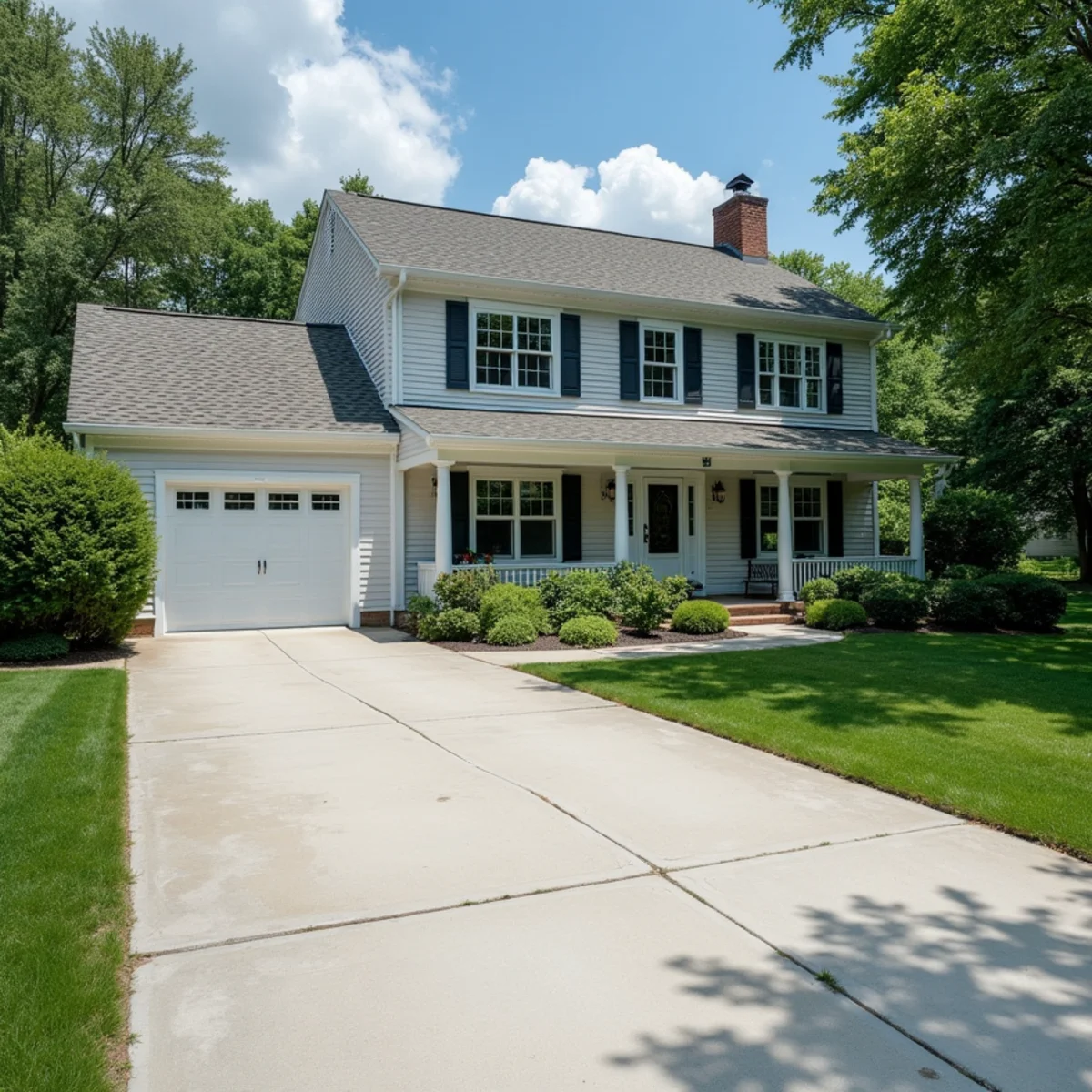
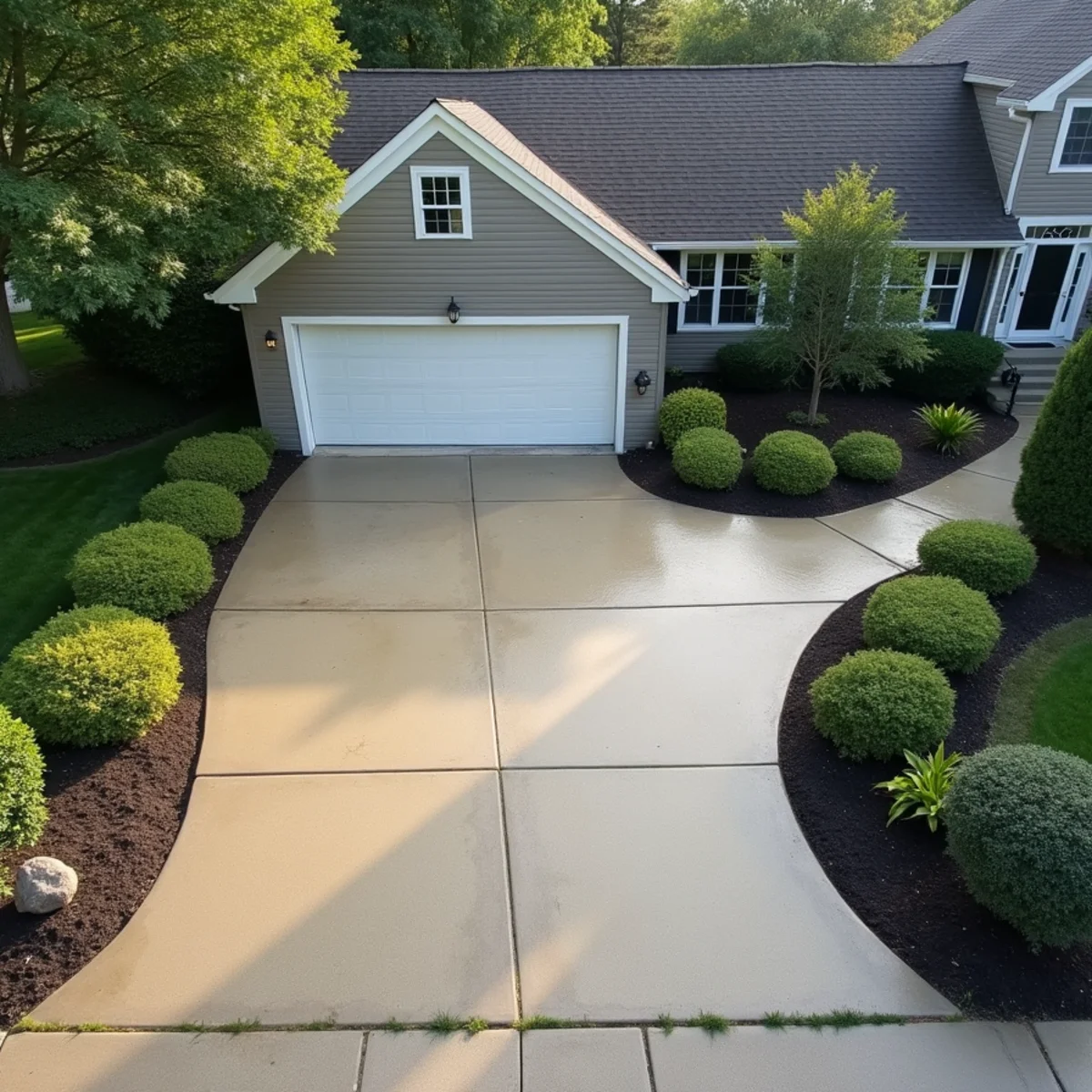
Paver Cleaning FAQs
Most pavers in our area benefit from a professional cleaning every one to two years, but shade drives the schedule. A patio under heavy tree canopy or on the north side of the house stays damp and grows algae and moss faster than a sunny driveway. Traffic, nearby plantings, and whether the surface is sealed all factor in. We are happy to recommend a realistic interval after we see your pavers.
It can, in the wrong hands. Excess pressure from a concentrated wand strips the fine cream coat that carries the color and empties the stabilizing sand from the joints. We avoid that by leading with a low-pressure biodegradable treatment and cleaning the field with controlled pressure and a rotary surface cleaner, which relies on flow rather than raw force. Some loose sand always comes out during cleaning, which is why we assess the joints and offer re-sanding.
Often, yes. Cleaning removes some loose joint sand, and stabilizing that sand keeps the pavers interlocked and weeds out. We assess the joint depth and condition during the job and let you know if re-sanding is worthwhile. We offer it as a separate step once the pavers have dried, typically with polymeric sand, and we will not talk you into re-sanding joints that are still in good shape.
Organic growth is part of life in the Connecticut River valley, so no honest company can call any cleaning permanent. What we can do is slow the return. Because our treatment kills the moss, algae, and weeds at the root rather than only rinsing the surface, and because tighter joints give seeds fewer footholds, regrowth is slower than after a quick blast-and-go. Periodic maintenance keeps pavers looking their best.
In most cases we can improve it significantly. Efflorescence is natural salt migrating out of the paver, not surface dirt, so it can recur and cannot be permanently eliminated by any cleaning. Light haze often responds to careful cleaning; heavier deposits need a purpose-made remover applied and neutralized with care to avoid etching. If you plan to seal, we clear the efflorescence first so it is not trapped under the finish.
Sealing is optional. It helps resist stains and fading, firms up the joint sand, and makes cleanup easier, but it must be reapplied periodically, can feel slick when wet, and should only go on dry, efflorescence-free pavers that are past their settling period. Whether it is worth it depends on your pavers, their exposure, and how the surface is used. Ask us during your estimate for a straight recommendation.
Cost depends on the size of the area, the paver type and condition, how much moss, weed, and organic buildup has to be cleared, access to the site, and whether you add re-sanding or sealing. Every patio, walkway, and driveway is different, so we give a firm price after we see the surface rather than a blanket rate. Call (351) 242-0666 or request a free estimate to get started.
Ready to Refresh Your Property?
Request an estimate for pressure washing, house washing, roof cleaning, or soft washing in Longmeadow and surrounding communities.