
Brick Cleaning in Longmeadow, MA
Low-pressure, mortar-safe cleaning for brick and masonry — including the soft antique brick and lime mortar common on older Longmeadow homes.
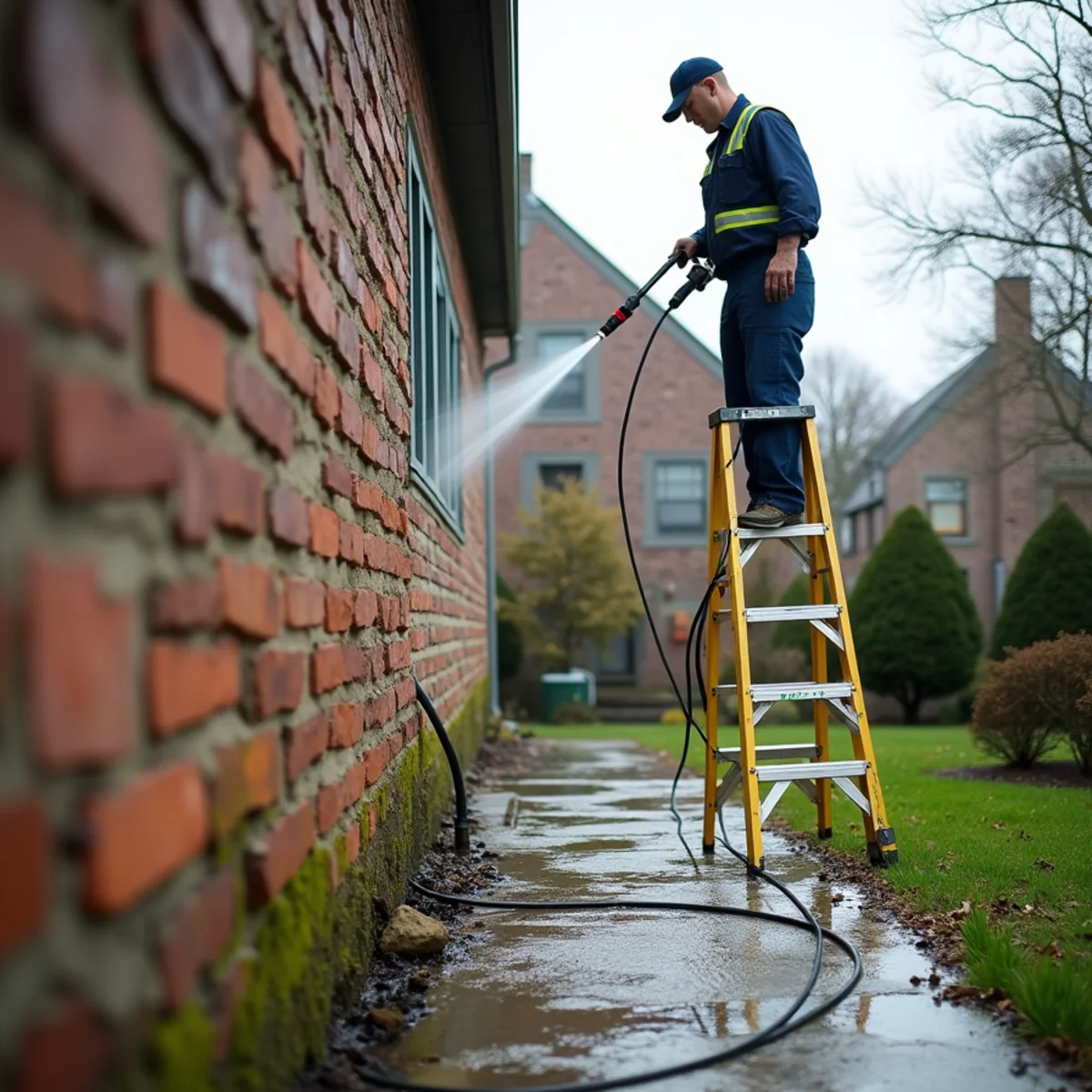
Brick is one of the most durable surfaces on a New England home — and one of the easiest to damage with the wrong cleaning. The brick face is porous, and the mortar between it is softer still, especially on older Longmeadow homes built with lime-based mortar. High pressure erodes those joints and can force water straight into the wall.
We clean brick the way it should be cleaned: with low pressure and a cleaning solution matched to the actual problem, whether that is moss and algae on a shaded north wall or a chalky bloom of efflorescence. The dirt lifts, the color comes back, and the mortar stays where it belongs.
From antique brick facades to walkways, steps, and chimneys, we treat every surface as the delicate assembly it is — across Longmeadow, Springfield, and the surrounding Hampden County towns.
Recommended method
Low-pressure soft washing
Low-pressure, mortar-safe cleaning for brick and masonry — including the soft antique brick and lime mortar common on older Longmeadow homes.
Why brick needs a gentler touch than most homeowners expect
Brick looks bulletproof, and fired brick is genuinely tough. But it is also porous — the surface is full of tiny pores that pull water in by capillary action. The mortar holding it together is softer still, and on many older Longmeadow homes that mortar is a lime-based mix that predates modern Portland cement. Hit that assembly with 2,000-plus PSI and you do not just remove dirt; you erode the joints, open the face of the brick, and push water deep into the wall.
In the Connecticut River valley that matters more than it would in a dry climate. Our freeze-thaw winters are hard on saturated masonry: water that soaks into an over-blasted brick expands as it freezes, spalling the face and loosening joints season after season. A wall that gets cleaned with high pressure can end up absorbing more water, growing organics faster, and deteriorating quicker than one left alone. That is why we clean brick with low pressure and let the cleaning solution do the work.
Efflorescence versus organic growth: two different problems, two different fixes
Not every stain on brick is the same, and the fix depends on what you are actually looking at. That chalky white bloom is efflorescence — mineral salts carried to the surface as moisture moves through the masonry and evaporates. It is a moisture story, not a dirt story. We can lift the deposit with the right mild, masonry-safe treatment, but if a gutter is overflowing or the grade is directing water against the wall, it can return until that moisture source is addressed.
Green and black staining is a different animal. Those are living organisms — algae, mildew, moss, and lichen — feeding on damp, shaded brick. Rinsing them off the surface leaves the roots behind, so they come back fast. Our solution kills the growth at the root and keeps regrowth at bay far longer than water alone. Telling these two problems apart before we start is half of doing the job right, and it is the step most quick, high-pressure jobs skip.
How we clean brick without damaging it
Every job starts with a look, not a wand. We identify the brick and mortar type, check the joints for soft or missing pointing, and note where water is coming from. On soft or antique brick we run an inconspicuous spot test first, so we know exactly how the surface responds before we treat the whole wall.
From there it is a soft wash: we apply a biodegradable cleaning solution at low pressure, give it dwell time to break down the staining, and rinse with a wide, gentle pattern that never drives water into the wall. We pre-wet and protect the plants, shrubs, and lawn around the work area throughout. The result is brick that comes clean because the chemistry did the work — not because we blasted a layer off the face of it.
Moss, algae, and black staining on shaded Longmeadow brick
The same mature tree canopy that makes Longmeadow and towns like Wilbraham and East Longmeadow so pleasant also keeps north- and east-facing walls damp for most of the day. Shaded, slow-drying brick is exactly where algae, moss, and lichen take hold — especially along the base of the wall, behind downspouts, and under low eaves where sun never reaches.
Lichen and moss anchor deep into mortar joints, which is why scrubbing rarely gets them for long. We treat the growth with a solution that kills it at the root, then follow through so the surface is left inhospitable to spores. That slows regrowth noticeably, but nothing makes brick immune — in our humid valley climate, a periodic maintenance wash is what keeps shaded walls from greening over again.
Brick walkways, steps, patios, and chimneys
Brick is not just siding here. Front walks, stair treads, garden walls, patios, and chimney stacks all collect the same organic film, and a slick, algae-covered brick step becomes a genuine slip hazard by fall. We clean these the same careful way, matching the approach to the surface: durable brick paving can tolerate a bit more than a century-old wall, but we still start gentle and let the solution lift the growth rather than forcing it off.
On chimneys we clean the accessible portions from safe footing and leave anything that requires specialized height access to the right trade. Where paver joints have lost their sand, we flag it so you can have it re-sanded — clean, stable joints are part of a result that actually lasts through the next few seasons.
Why high pressure and harsh acids do more harm than good
Two shortcuts cause most of the brick damage we get called to clean up after. The first is raw pressure. A turbo nozzle will strip grime, but it also etches the brick face, blows out mortar, and — as noted — leaves the wall thirstier and more freeze-prone than it was before. Manufacturers and masons generally advise keeping pressure on brick low for exactly that reason.
The second is muriatic acid. It is cheap and aggressive, and on masonry it tends to burn the brick, discolor it, and eat at the mortar joints, sometimes setting up more efflorescence down the road. We do not use it. Where an acidic treatment is genuinely warranted for a heavy mineral bloom, there are far gentler, masonry-safe products designed for the job — and we use those instead.
How often should you clean brick, and what to expect afterward?
For most homes in Hampden County, once a year is plenty, with shaded or heavily wooded lots sometimes wanting a touch-up between full cleanings. A yearly wash keeps efflorescence and organic staining from building into something harder to reverse, and it is far easier on the masonry than waiting until the wall is fully overtaken.
Right after we finish, expect brick that looks noticeably brighter and truer to its original color, with joints intact and no blasted, uneven patches. What we will not promise is permanence: algae and efflorescence are simply part of living with brick in a humid, four-season climate. Our goal is to restore the surface and slow what comes back, so a quick maintenance visit keeps it looking right year over year.
Problems This Service Solves
- Black and green algae staining on shaded, north-facing brick
- Moss and lichen anchored deep in mortar joints
- White efflorescence — mineral salt bloom from moisture in the masonry
- General atmospheric grime, pollution film, and organic darkening
- Spring tree pollen, sap, and leaf-tannin staining
- Dirty, slippery brick walkways, steps, and stair risers
- Mildew and damp shadowing under eaves and behind downspouts
- Winter road-salt and de-icer residue near drives and walks
What's included
- On-site assessment of the brick, mortar, and moisture sources
- An inconspicuous spot test on soft or antique brick before we treat the wall
- Low-pressure soft wash with a biodegradable cleaning solution
- Treatment matched to the stain — efflorescence vs. biological growth
- Mortar-safe technique that protects soft, lime-based joints
- Pre-wetting and protection of plants, shrubs, and landscaping
- Gentle, wide-pattern rinsing that avoids driving water into the wall
- Cleaning of accessible brick walkways, steps, and chimney faces
- A clear written scope and a free estimate before work begins
Benefits
- Cleaner, brighter brick with its original color and texture restored
- Mortar joints left intact — no etching, no blown-out seams
- Organic growth killed at the root, not just rinsed off the surface
- Slowed regrowth of algae, moss, and lichen between cleanings
- Lower long-term risk of freeze-thaw damage from waterlogged brick
- Safe for antique brick and older, historic masonry
- Improved curb appeal for Longmeadow and Hampden County homes
- Longer-lasting results than a quick high-pressure blast
Surfaces we treat
- Solid brick and brick-veneer house walls
- Antique and historic brick with soft lime mortar
- Brick accent walls, columns, and porch piers
- Brick walkways, steps, and stair risers
- Brick patios and garden walls
- Chimneys (accessible portions only)
- Brick planters, retaining walls, and mailbox surrounds
- Painted or sealed brick (assessed case by case)
Safety & protection
- Low pressure to protect mortar joints and brick faces
- Inconspicuous spot testing on soft or historic brick first
- Cleaning solution matched to efflorescence vs. biological growth
- No muriatic acid, which can burn brick and etch mortar
- Pre-wetting and rinsing of plants, lawns, and landscaping
- Controlled rinse angles that avoid forcing water into the wall
- Ladder and access safety for chimneys and upper courses
- Protection of windows, fixtures, and adjacent siding
What to Expect
Request an estimate
Call or send us a few details and photos. We respond with next steps and, where possible, a preliminary range before we visit.
Property & surface assessment
We look at each surface — siding, roof, hardscape — and identify the material, its condition, and the buildup we're dealing with.
Written scope of work
You get a clear, written estimate that spells out which surfaces we'll clean and the method we'll use on each one.
Property & plant protection
On service day we pre-wet landscaping, cover delicate plants, and take steps to protect fixtures before any solution is applied.
Surface-specific cleaning
We match the pressure and cleaning solution to the material — gentle soft washing for delicate surfaces, controlled pressure for durable hardscape.
Final walkthrough
We rinse thoroughly, remove protective coverings, tidy up, and walk the property with you to confirm you're happy with the result.
Before & After
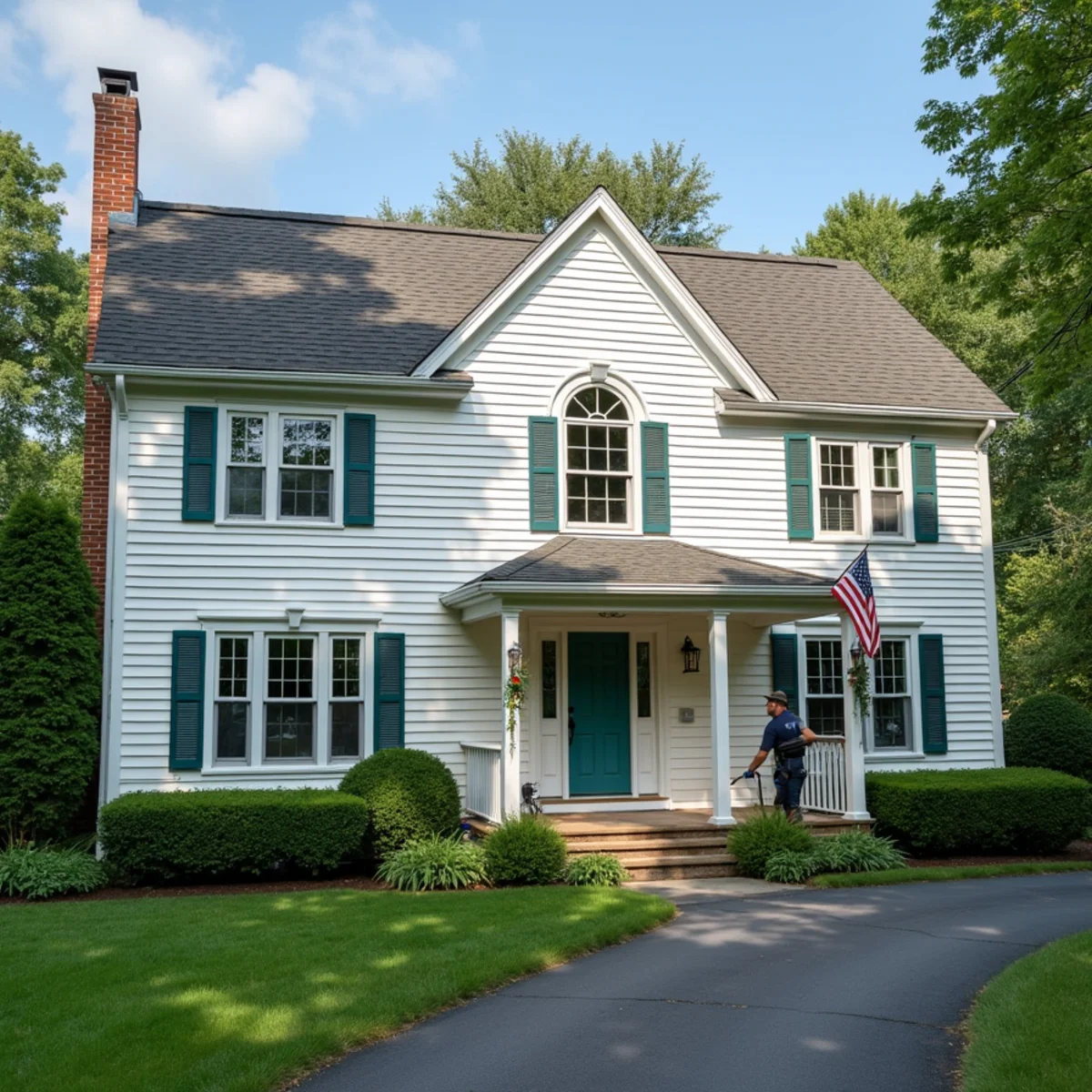
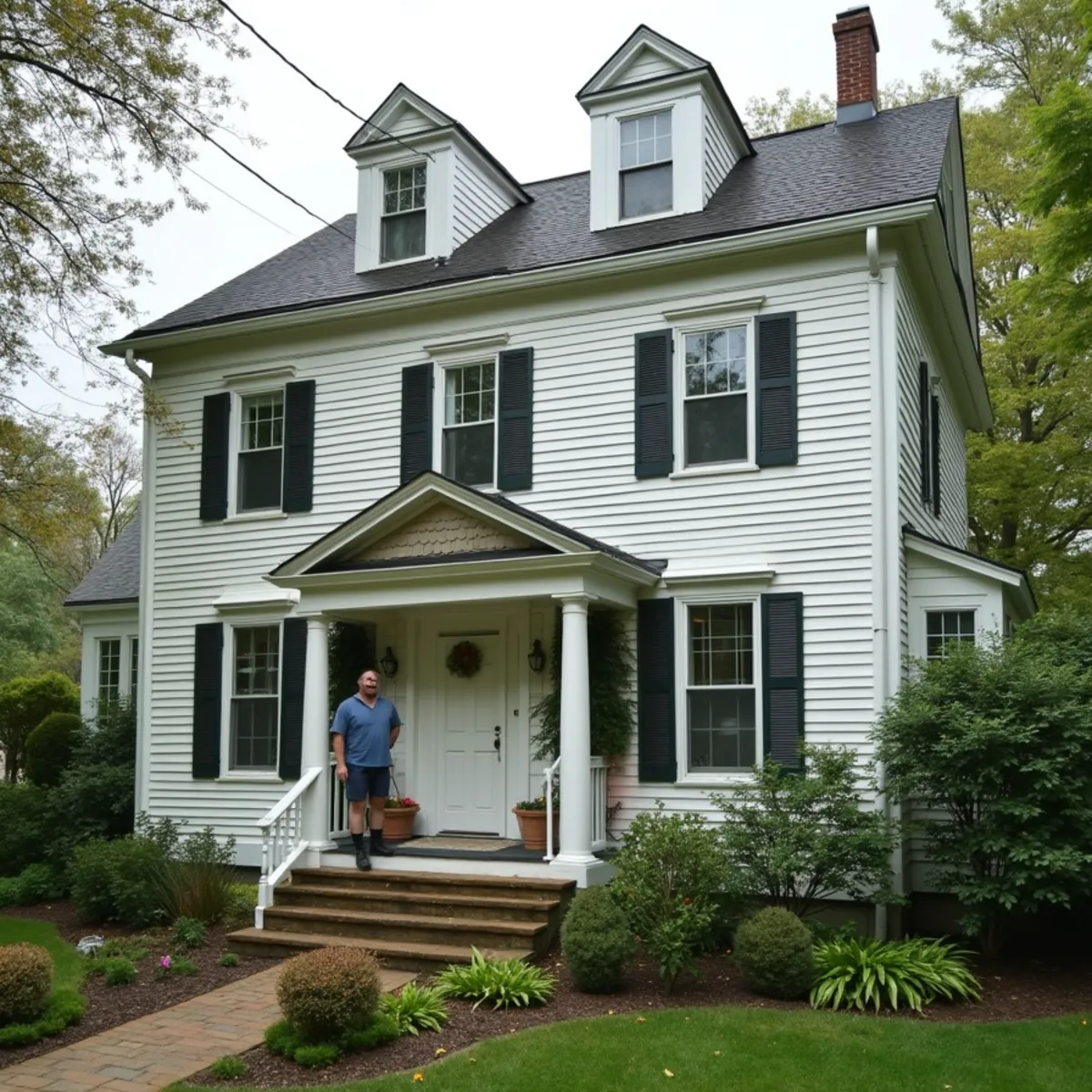
Related Services
Brick Cleaning FAQs
Not at high pressure. Strong pressure erodes soft, lime-based mortar, etches the brick face, and can drive water into the wall — which in our freeze-thaw climate leads to spalling and faster deterioration. We use a low-pressure soft wash instead, with a cleaning solution that does the work, so the brick comes clean while the mortar joints stay intact.
That is efflorescence — mineral salts drawn to the surface as moisture moves through the masonry and evaporates. We can lift it with a mild, masonry-safe treatment rather than harsh acid. Keep in mind it is moisture-driven, so if an overflowing gutter or poor drainage is feeding water into the wall, it can return until that source is corrected.
Our solution kills the growth at the root rather than just rinsing the surface, which slows regrowth well beyond what water alone does. But no cleaning makes brick immune. In the humid Connecticut River valley, shaded and north-facing walls will eventually see growth return, so a periodic maintenance wash is the best way to keep it from taking hold again.
For most Hampden County homes, once a year is plenty to keep efflorescence and organic staining from building up. Heavily shaded or wooded lots — common around Longmeadow, Wilbraham, and East Longmeadow — sometimes benefit from a touch-up between full cleanings. Annual cleaning is also far gentler on the masonry than letting years of growth accumulate first.
We plan around it. Before and during the wash we pre-wet the plants, shrubs, and lawn near the work area and rinse them afterward, so the biodegradable solution is diluted and carried off safely. Being careful with landscaping is part of doing exterior work right, and it is something we account for on every brick job.
It depends on the size of the area, the type and condition of the brick, the kind of staining — light grime cleans up faster than heavy efflorescence or deep-rooted lichen — and access around the home. Because every home is different, we give a free, no-obligation estimate after seeing the surface. Call (351) 242-0666 to set one up.
Yes. We clean brick walks, steps, patios, garden walls, and the accessible portions of chimneys, matching the approach to each surface. Durable brick paving can take a bit more than a fragile old wall, but we still start gentle. Anything requiring specialized height access on a chimney we leave to the appropriate trade.
Ready to Refresh Your Property?
Request an estimate for pressure washing, house washing, roof cleaning, or soft washing in Longmeadow and surrounding communities.