
Pool-Deck Cleaning in Longmeadow, MA
Slip-resistant cleaning for the concrete, paver, and natural-stone surfaces around your pool.
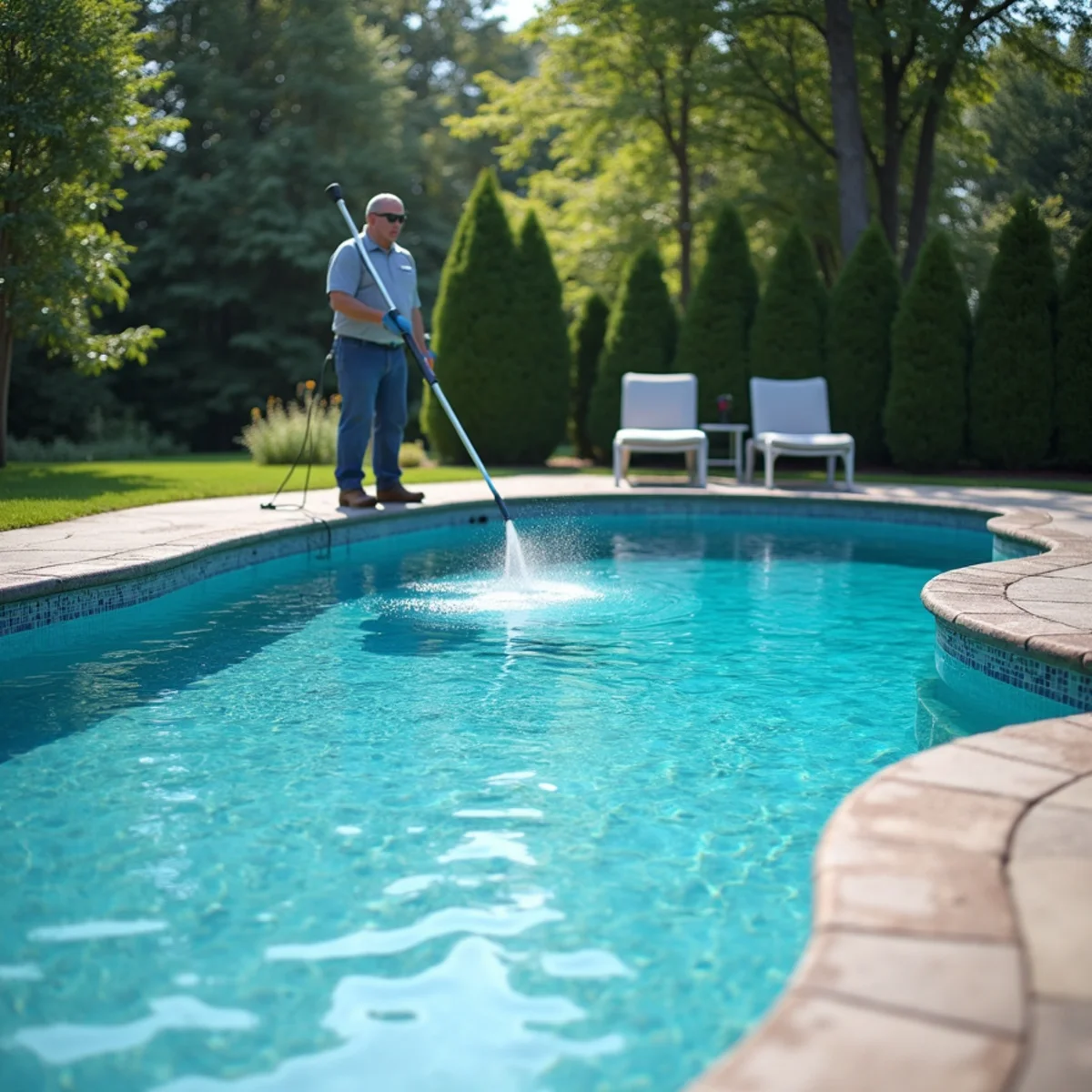
A pool deck spends most of the season wet, shaded by the mature tree canopy so common in Longmeadow and across the Connecticut River valley. That combination of moisture and shade is exactly what algae, mildew, and moss need to take hold — and the thin biofilm they leave behind is what turns a poured-concrete or paver surround slick underfoot right where children and guests are walking barefoot.
Craft Bros Exterior Cleaning cleans pool surrounds with the pressure and cleaning solution matched to the surface, not a one-size blast. We lift the organic growth and ground-in grime that dulls the deck and creates the slip hazard, then treat the surface so regrowth is slowed well into swim season.
Whether you have broom-finish concrete, a clay or concrete paver patio, or a bluestone surround, the goal is the same: a cleaner, brighter deck with safer footing — cleaned in a way that protects the finish, the joints, your plantings, and your pool water.
Recommended method
Controlled pressure washing
Slip-resistant cleaning for the concrete, paver, and natural-stone surfaces around your pool.
Why pool decks turn green and slick in the Pioneer Valley
A pool deck is one of the wettest surfaces on your property. Splash-out, humid summer air, and irrigation keep it damp, and in the Connecticut River valley that dampness rarely gets a chance to fully dry. Many Longmeadow and Hampden County backyards sit under a heavy canopy of maple and oak, so the deck stays shaded and cool — ideal growing conditions for algae, mildew, and, in the most shaded corners, moss and lichen.
The problem is not just cosmetic. The green or black film that forms on the surface is a thin layer of living organics, and when it gets wet it becomes genuinely slippery. Around a pool, where people walk barefoot and often move quickly, that loss of traction is a real safety concern — one that tends to be worst in the shaded, north-facing sections of the deck where the growth is heaviest.
A pool surround also collects the same seasonal debris every New England yard sees: spring pollen, tree sap, fall leaf tannins, and a film of winter grit and road-salt residue by the time you open the pool. Left alone, all of it dulls the surface and feeds the next round of algae.
Matching the method to your deck material
There is no single correct pressure for a pool deck, because pool decks are not all built the same. The right approach depends entirely on what your surround is made of, and reading that surface correctly is the part that protects your investment.
Broom-finish and stamped concrete are durable and tolerate controlled pressure well, but concrete can still be etched and its sealer stripped by too aggressive a tip. Paver decks, concrete or clay, have a different vulnerability: high pressure blows the sand out of the joints, destabilizing the pavers and leaving open gaps for weeds and organic buildup. Natural stone such as bluestone, travertine, and limestone is softer and more porous, and belongs in the low-pressure, soft-wash category rather than under a hard spray.
Our approach is to inspect first, identify the material and its condition, and then dial in the pressure, nozzle, and cleaning solution to suit it. On durable concrete and paver fields we use controlled pressure to lift ground-in grime evenly; on natural stone, sealed surfaces, and heavy organic growth we lead with a gentle, low-pressure application instead. It is the same careful, surface-specific philosophy we bring to every home in Longmeadow, East Longmeadow, Wilbraham, and the surrounding towns.
Soft washing versus pressure: why we usually lead low
It is tempting to think a pool deck just needs a stronger blast, but on organic growth that backfires. High pressure knocks the visible film off the surface without killing what is rooted in the pores of the concrete or stone, so the algae returns quickly — sometimes faster than before, because the surface has been opened up and any sealer thinned.
Soft washing solves the actual problem. It is a low-pressure application of a biodegradable cleaning solution — surfactants combined with a controlled, appropriately diluted sanitizing agent — that kills algae, mildew, and moss at the root rather than merely rinsing the surface. The deck is left genuinely clean, the finish and any sealer are preserved, and because the growth is treated at its source, the green film is slower to return.
For most surrounds we blend the two: a low-pressure soft-wash treatment to handle the biology and brighten the surface, with controlled pressure reserved for durable concrete or pavers with heavy, ground-in grime a rinse alone will not release. Matching technique to surface keeps the deck safe underfoot without trading away its longevity.
Protecting your pool water, plantings, and joints
Cleaning a pool deck well means protecting everything around it. The water is the first consideration: our cleaning solutions are biodegradable, but we still direct rinse water and runoff away from the pool so we are not adding anything to the water chemistry you work to keep balanced. Careful hose and footing management around the water's edge is part of the job.
Your landscaping is the second. Pool surrounds are usually ringed with beds and lawn, so we pre-wet the surrounding plantings and grass before we start and rinse them again afterward, which dilutes any overspray and keeps our work from stressing what you have planted. It is a simple, deliberate step that separates a careful clean from a careless one.
The joints are the third, and the one homeowners rarely think about until they are gone. On paver and natural-stone decks we use a joint-safe technique that avoids driving the sand — including polymeric sand — out from between the units. Preserving that jointing keeps the surface stable and denies wind-blown organic debris the open gaps it needs to reestablish itself.
When to clean: swim-season prep and shoulder-season upkeep
The most natural time to clean a pool deck in Western Massachusetts is spring, as part of opening the pool. Over the winter the surround collects grit, salt residue, and a fresh start of algae growth, and clearing it before the season means you and your guests step onto a safe, bright deck on the first warm weekend rather than a slick one.
How often it needs attention after that depends on the deck. A surround in full sun may only need a thorough clean once a year, while a heavily shaded deck under mature canopy — common in older Longmeadow neighborhoods — can grow a slippery film again within a few months. High-use, damp, north-facing areas are always the first to green up.
We are happy to look at your specific setup and recommend a realistic cadence rather than a generic one. For many homeowners, a spring clean plus a late-summer refresh keeps the deck consistently safe without over-cleaning a surface that does not need it.
What to expect from your Craft Bros pool-deck cleaning
Every job starts with a walkthrough. We identify the surface material, note the staining and the slip-prone zones — steps, coping, and the shaded corners — and confirm the approach with you before any water touches the deck. That is also when we point out anything worth knowing, such as a surface that would benefit from sealing after it dries.
From there we protect the surroundings, apply the right cleaning solution, and clean the full surface edge to edge with the pressure matched to your material, giving extra attention to the high-slip areas where traction matters most. We finish with a controlled rinse and a final look to make sure the deck is uniformly clean and the runoff has been carried clear of the pool and beds.
Pool-deck cleaning pairs naturally with our concrete, paver, and patio and walkway cleaning services, so if the surround flows into a larger patio we can treat it in one visit. Craft Bros Exterior Cleaning serves Longmeadow and Hampden County, and we are glad to give you a free estimate. Call (351) 242-0666 to get on the schedule before your next swim season.
Problems This Service Solves
- Slippery algae and biofilm that make wet decking hazardous underfoot
- Black, green, or gray organic staining in shaded, north-facing corners
- Dingy, weathered concrete that has lost its clean, even finish
- Moss and weeds taking hold in paver and natural-stone joints
- Leaf tannin, spring pollen, and tree-sap staining from the tree canopy
- Efflorescence — the white mineral haze that surfaces on concrete and pavers
- Dirt and grime ground into textured, broom-finish surfaces
- Winter grit and road-salt residue left on the deck after the thaw
What's included
- Pre-clean walkthrough to identify the surface, staining, and slip-prone zones
- Cleaning of the full pool-deck surface, edge to edge
- Pressure and cleaning solution matched to concrete, paver, or natural stone
- Low-pressure soft-wash treatment to kill algae and organics at the root
- Targeted attention to steps, coping, and other high-slip areas
- Pre-wetting and protection of surrounding plantings and lawn
- Controlled rinsing with runoff directed away from the pool
- A clear scope of work and a free estimate before we begin
Benefits
- Safer, higher-traction footing around a wet pool
- A cleaner, brighter surround that lifts the whole backyard
- Organic growth killed at the root, so regrowth is slowed
- A deck that is ready for opening day and the swim season
- Sealer and surface finish protected by right-sized pressure
- Paver and stone joints left intact, not blown out
- Honest guidance on sealing and upkeep between cleanings
Surfaces we treat
- Broom-finish and textured poured concrete
- Stamped and decorative concrete decking
- Concrete and clay paver surrounds
- Bluestone, granite, and other natural-stone decks
- Travertine and limestone coping (accessible portions)
- Brick pool surrounds and borders
- Steps, coping, and pool-edge transitions
- Adjoining patios and walkways
Safety & protection
- Pressure and nozzle matched to each deck material
- Low-pressure, soft-wash approach on natural stone and sealed surfaces
- Biodegradable cleaning solutions applied and thoroughly rinsed
- Runoff directed away from the pool and its water chemistry
- Surrounding plantings and lawn pre-wet and protected
- Joint-safe technique that preserves paver and polymeric sand
- A test area on delicate or aged surfaces before the full clean
- Careful footing and hose management around the water's edge
What to Expect
Request an estimate
Call or send us a few details and photos. We respond with next steps and, where possible, a preliminary range before we visit.
Property & surface assessment
We look at each surface — siding, roof, hardscape — and identify the material, its condition, and the buildup we're dealing with.
Written scope of work
You get a clear, written estimate that spells out which surfaces we'll clean and the method we'll use on each one.
Property & plant protection
On service day we pre-wet landscaping, cover delicate plants, and take steps to protect fixtures before any solution is applied.
Surface-specific cleaning
We match the pressure and cleaning solution to the material — gentle soft washing for delicate surfaces, controlled pressure for durable hardscape.
Final walkthrough
We rinse thoroughly, remove protective coverings, tidy up, and walk the property with you to confirm you're happy with the result.
Before & After
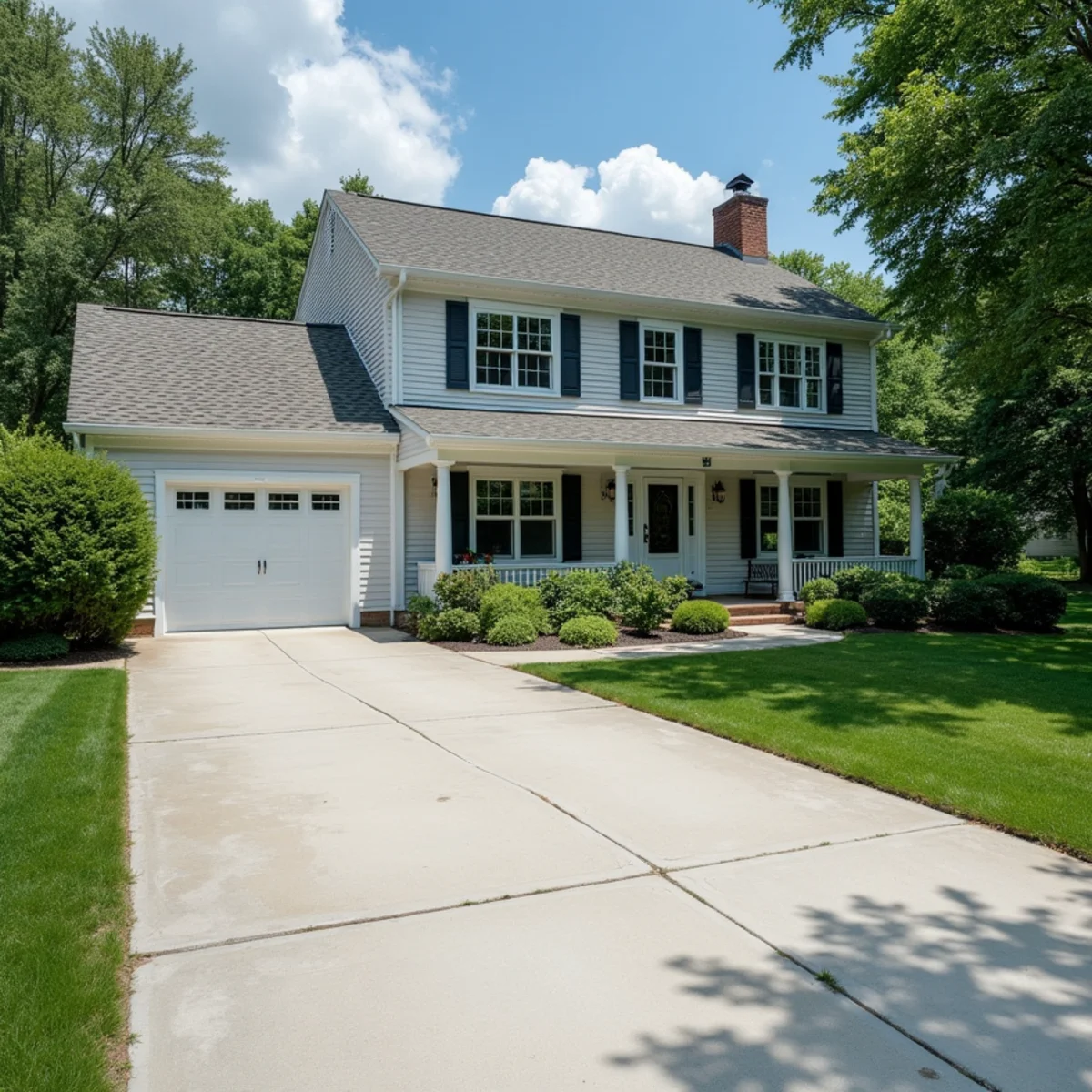
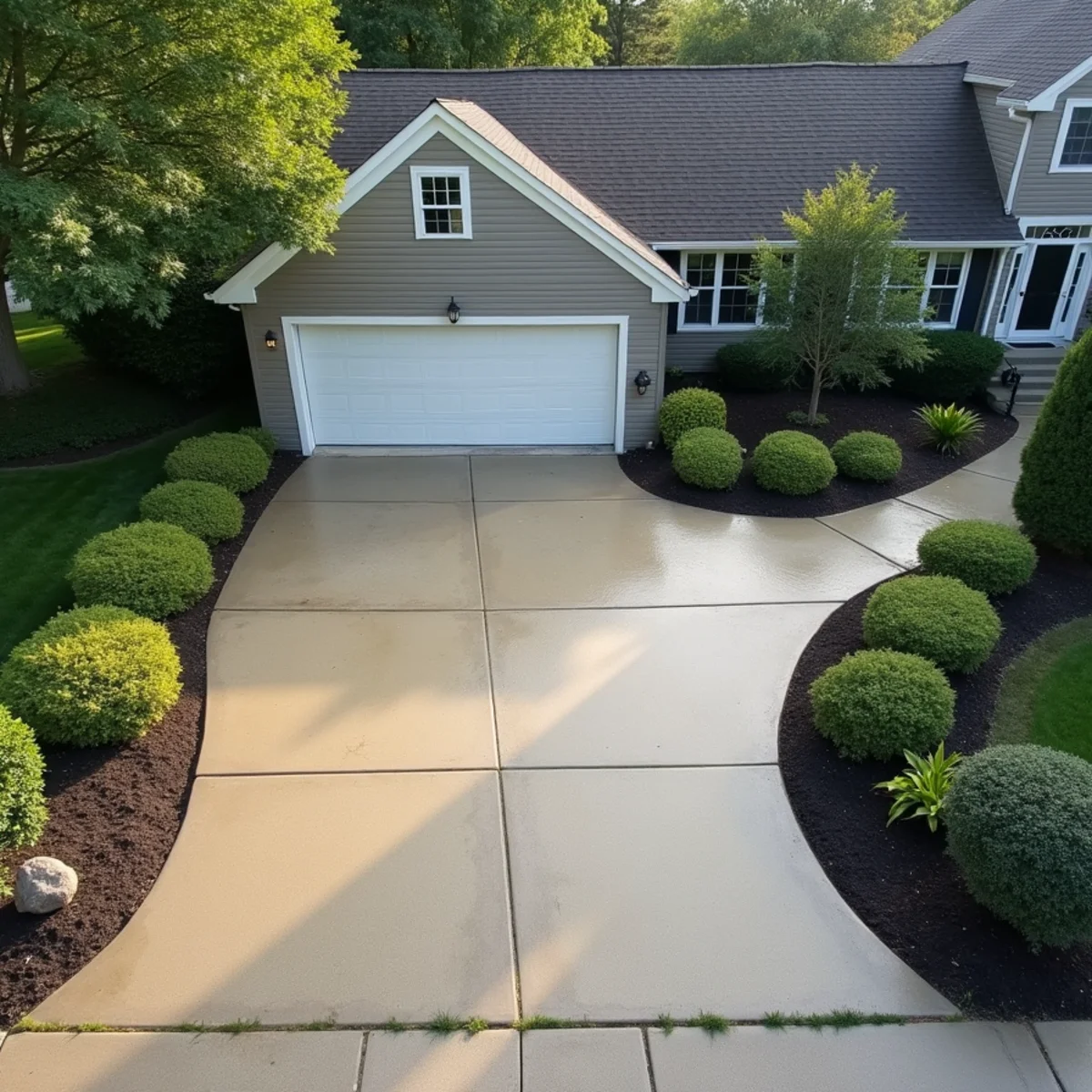
Pool-Deck Cleaning FAQs
Yes. Most of the slipperiness on a pool deck comes from a thin layer of algae and biofilm that gets slick when wet. Removing that organic growth restores the natural traction of your concrete, paver, or stone surface and noticeably improves footing. Because we treat the growth at the root, a properly textured deck stays safer for longer through the swim season.
It depends on sun and shade. A surround in full sun may only need a thorough clean once a year, while a shaded, tree-canopied deck common in Longmeadow can grow a slippery film again within a few months. A good rule for the Pioneer Valley is a spring clean when you open the pool, with a mid- or late-season refresh for heavily shaded, high-use decks.
It can in the wrong hands, which is why we match the method to the material. Too much pressure etches concrete, strips sealer, and blows the sand out of paver joints. We use controlled pressure only where the surface can take it and a low-pressure soft-wash approach on stone, sealed, and joint-sensitive decks — so your surround is cleaned without being harmed.
Yes, and those surfaces call for extra care. Bluestone, travertine, and limestone are softer and more porous than concrete, so we clean them with a gentle, low-pressure soft-wash rather than a hard spray. We also test a small area first on delicate or aged stone and avoid harsh acidic cleaners that can damage the surface over time.
We use biodegradable cleaning solutions and take deliberate steps to keep them where they belong. Runoff is directed away from the pool so we are not affecting your water chemistry, and we pre-wet and rinse the surrounding lawn and plantings to dilute any overspray. Protecting the pool, the beds, and the joints is a standard part of how we work.
Organic growth is never gone permanently — it is a living process fed by moisture and shade, both of which a pool deck has in abundance. Because we soft-wash to kill the algae at the root rather than just rinse the surface, regrowth is slowed considerably compared with a plain pressure rinse. Periodic cleaning, and sealing where appropriate, keeps the deck ahead of it.
The price depends on the size of the deck, the surface material, how much organic growth and staining is present, and access around the pool. A shaded stone surround with heavy algae takes more care than an open concrete pad, so we give an accurate figure after seeing it. We are glad to provide a free estimate — call Craft Bros at (351) 242-0666.
Ready to Refresh Your Property?
Request an estimate for pressure washing, house washing, roof cleaning, or soft washing in Longmeadow and surrounding communities.