
Rust & Stain Removal in Longmeadow, MA
Targeted, tested treatment for rust, irrigation stains, and stubborn marks on concrete, brick, and stone.
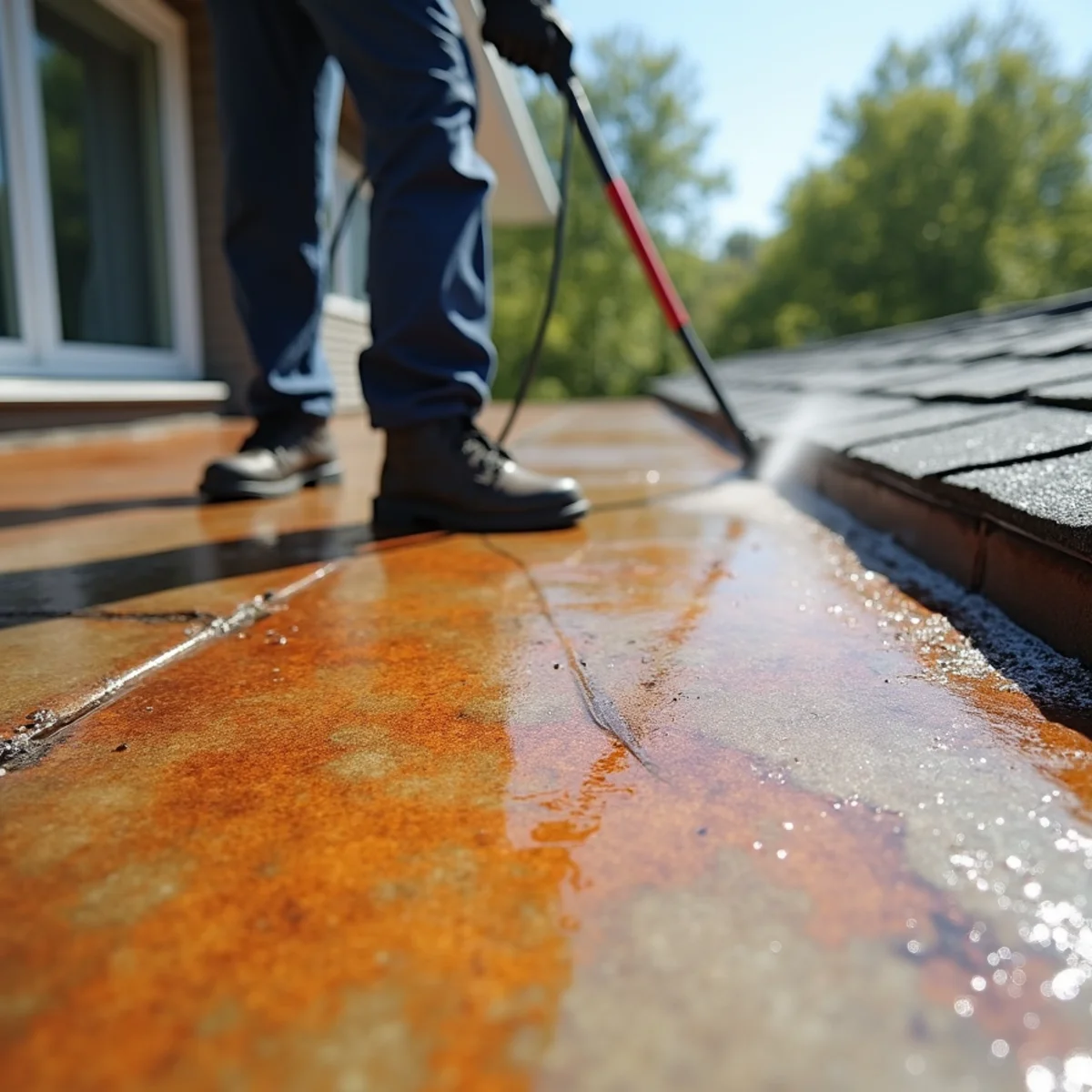
Rust and mineral stains bond into the pores of concrete and masonry, and ordinary cleaning won't touch them. Orange streaks from sprinkler heads, speckled fertilizer marks, and rust rings under metal furniture won't lift with soap and a pressure washer. In fact, high pressure alone tends to etch the surface and spread the stain. Rust removal is a chemistry problem, and it starts with identifying what you are actually looking at.
Here in the Connecticut River valley, a lot of that staining traces back to iron. Many Hampden County homes on the valley's more rural edges draw irrigation water from private wells, and that iron-rich water throws rust onto driveways and walkways every time the sprinklers run. Iron-fortified lawn fertilizer, corroding railings and furniture, and the occasional battery-acid spill add their own marks.
We assess the stain, the surface, and how long it has been sitting, run a discreet spot test, then apply the treatment matched to that specific stain, with controlled dwell time, the right pressure for durable hardscape, and careful runoff management. We are honest up front about what will lift fully and what will only lighten. Free estimates. Call (351) 242-0666.
Recommended method
Hybrid (soft-wash pre-treatment + controlled pressure)
Targeted, tested treatment for rust, irrigation stains, and stubborn marks on concrete, brick, and stone.
Why rust stains don't wash off with pressure alone
Rust is iron oxide, and once iron-laden water or corroding metal has sat on concrete, that oxide works its way into the surface's open pores and bonds there. Detergents and surfactants lift dirt, grease, and organic growth, but they have no effect on bonded iron. Turning up the pressure doesn't help either. A driveway is porous, and blasting a rust stain at high PSI etches the concrete, leaves a lighter, cleaner-looking halo around the mark, and can drive the stain deeper instead of removing it.
Taking rust off is a chemical process. A reducing or chelating acid, typically oxalic-acid-based for the irrigation and fertilizer rust we see most often, converts the iron into a water-soluble compound that can then be carried away with a controlled rinse. Get the chemistry and the dwell time right and the stain releases; reach for the wrong acid or leave it too strong and you can burn the surface. That is why every job here leads with the treatment, not the wand.
Where your rust and stains come from in the Pioneer Valley
Knowing the source tells us both how to treat a stain and how to keep it from coming back. Around Longmeadow, East Longmeadow, Wilbraham, and Hampden, a handful of culprits account for most of what we see. The biggest is irrigation and well water: many homes on the valley's more rural edges run sprinklers off private wells, and the Connecticut River valley's iron-rich groundwater leaves fan-shaped orange stains wherever a head sprays concrete or brick.
Fertilizer is next. Iron-fortified lawn products blown or tracked onto a driveway rust almost immediately, leaving speckled orange marks. Then there's metal: wrought-iron furniture, planters, railings, downspouts, and forgotten tools all bleed rust rings onto patios and steps. Battery acid, oil, and chemical spills on garage floors and driveways round out the list, and each needs its own approach.
Fixing the source is often the difference between a surface that stays clean and one that re-stains within a season. Adjusting a sprinkler head, lifting a planter onto feet, or adding a splash guard can matter as much as the cleaning itself, and we'll point out what we notice while we work.
Rust isn't the only mark: matching the treatment to the stain
Not every orange or brown stain is rust, and using a rust acid on the wrong mark wastes product and can damage the surface. A big part of the job is telling them apart. Tannin stains, the reddish-brown blotches that form under oaks, acorns, mulch beds, and piles of wet leaves, are organic. They respond to a surfactant-and-mild-acid treatment, not a rust remover.
Efflorescence, the chalky white bloom that surfaces on brick and block, is mineral salt migrating out of the masonry as it dries. It calls for a masonry-safe cleaner used with care. We never put muriatic acid on brick mortar, which etches the joints and causes lasting harm. Organic black staining, oil, and battery marks each have their own chemistry as well.
We identify what we are looking at before we choose a product, which is the entire point of assessing and spot-testing rather than guessing. The right diagnosis is what keeps a stain job from turning into a repair job.
Our process: test first, treat to the stain, control the rinse
Every rust and stain job follows the same careful sequence. First we assess: we look at the stain, the surface, and how long it has been there, and we ask about the likely source. Then we spot test, treating a small, inconspicuous area to confirm the product works and the surface reacts well before we commit to the whole slab.
From there we treat, applying the matched product at a controlled dilution, letting it dwell the right amount of time, and agitating gently where the stain needs it. We rinse with the right pressure for durable hardscape, enough to carry the dissolved stain away, never so much that it etches the concrete or blows the sand out of paver joints. Finally we flush and neutralize the area, manage the runoff, and leave the site tidy.
Because rust removal is chemistry-led, results depend on the stain's depth and age. After the spot test we will always tell you whether to expect a full lift or a meaningful lightening, so there are no surprises when the work is done.
Protecting your concrete, masonry, and landscaping
Acids strong enough to dissolve rust have to be handled with respect, and protecting your property is built into how we work. We dilute to the job, keep dwell times controlled, and use low, appropriate pressure so we lift the stain without etching the concrete or opening up mortar joints. On brick and stone we stay well within safe limits and skip the aggressive acids that damage masonry.
Before we treat, we soak nearby plants, shrubs, and grass with clean water so their roots are shielded, cover what we can, and direct and dilute the runoff away from gardens, beds, and storm drains. It's the same careful, surface-first mindset we bring to soft washing the rest of the house: the right solution at the right strength, matched to what we're cleaning, rather than brute force applied to everything.
Will the stains come back? Slowing recurrence
Rust removal restores the surface, but it doesn't change what caused the stain in the first place. If the source is still there, new staining will eventually return. The way to slow that down is to address the cause and, where it makes sense, to seal. Adjusting or redirecting irrigation heads keeps iron-rich water off the concrete, and moving metal furniture and planters onto pads or feet stops fresh rings from forming.
A quality concrete or masonry sealer adds a barrier that makes the surface less porous and easier to keep clean, buying you more time between treatments. We'll talk through what's realistic for your driveway or patio, and for many Hampden County homes a light periodic maintenance visit keeps things looking their best without letting stains set in and bond again.
Problems This Service Solves
- Rust stains from irrigation heads and iron-rich well water
- Orange fertilizer stains from iron-fortified lawn products
- Rust rings from metal furniture, planters, railings, and downspouts
- Battery-acid marks and chemical staining on driveways and garage floors
- Tannin and leaf stains from acorns, mulch beds, and overhanging trees
- Efflorescence and mineral deposits on brick and stone
- Stubborn organic and mineral marks that pressure washing alone won't lift
What's included
- On-site stain assessment and identification of the likely source
- A discreet spot test to confirm the treatment and set expectations
- Targeted chemical treatment matched to the stain and the surface
- Controlled dilution, dwell time, and gentle agitation where needed
- A measured rinse using the right pressure for durable hardscape
- Runoff control and plant protection throughout the work
- Honest guidance on lightening versus full removal, and on sealing
Benefits
- Rust, fertilizer, and organic stains visibly reduced or lifted
- Treatment matched to the specific stain, not a one-size-fits-all approach
- Concrete, brick, and stone cleaned without pressure etching
- Honest expectations set before any full application
- Curb appeal restored to driveways, walkways, and patios
- Guidance on the source so new stains are less likely to form
- Optional sealing advice to help slow recurrence
Surfaces we treat
- Concrete driveways, patios, sidewalks, and garage floors
- Poured, broom-finished, and stamped concrete
- Brick walkways, steps, and veneer
- Natural and manufactured stone
- Concrete and clay pavers
- Pool decks, coping, and steps
- Retaining walls and hardscape features
Safety & protection
- Stain and surface identified before any product is chosen
- Discreet spot test to confirm results and protect the surface
- Diluted, controlled application with managed dwell time
- Low, appropriate pressure to avoid etching concrete or mortar
- Masonry-safe products only; no muriatic acid on brick mortar joints
- Plants and grass pre-wet and shielded before treatment
- Runoff directed and diluted away from gardens, beds, and storm drains
- Neutralizing rinse and thorough site cleanup
What to Expect
Request an estimate
Call or send us a few details and photos. We respond with next steps and, where possible, a preliminary range before we visit.
Property & surface assessment
We look at each surface — siding, roof, hardscape — and identify the material, its condition, and the buildup we're dealing with.
Written scope of work
You get a clear, written estimate that spells out which surfaces we'll clean and the method we'll use on each one.
Property & plant protection
On service day we pre-wet landscaping, cover delicate plants, and take steps to protect fixtures before any solution is applied.
Surface-specific cleaning
We match the pressure and cleaning solution to the material — gentle soft washing for delicate surfaces, controlled pressure for durable hardscape.
Final walkthrough
We rinse thoroughly, remove protective coverings, tidy up, and walk the property with you to confirm you're happy with the result.
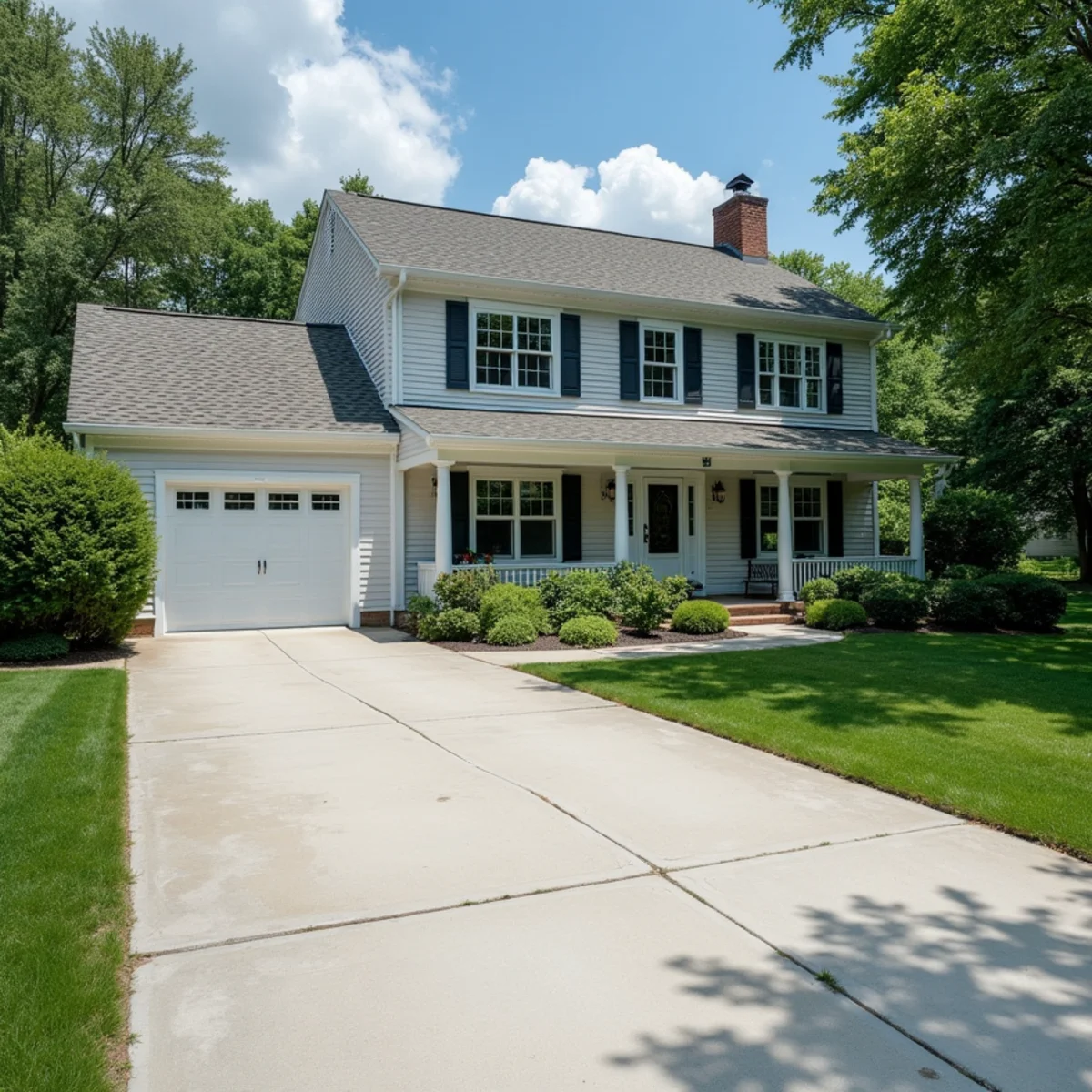
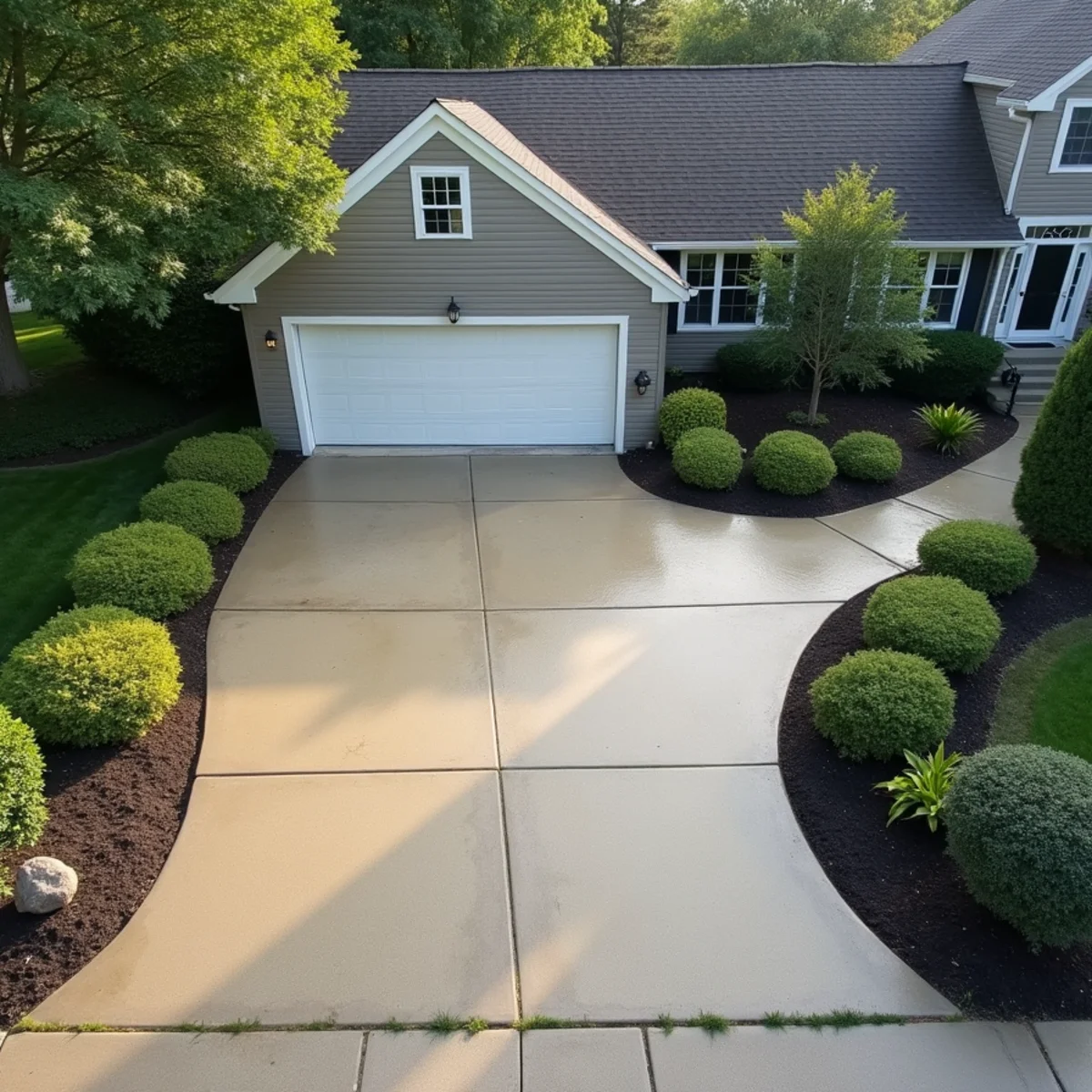
Before & After
Related Services
Rust & Stain Removal FAQs
Many rust stains lift substantially, but full removal depends on the surface, the stain's age, and how deeply it has set into the concrete. Fresh irrigation and fertilizer rust usually comes up well; old, deeply bonded staining may only lighten. We treat a test area first and tell you honestly what to expect before we do the whole job.
No. Rust is iron oxide bonded into the pores of the concrete, and no amount of pressure or detergent will release it on its own. High pressure aimed at a rust stain tends to etch the surface, leave a clean halo around the mark, and drive it deeper. Rust removal is chemistry-led, using a treatment matched to the stain and then a controlled rinse.
Used correctly, the treatment targets the stain, not the surface. We dilute to the job, control the dwell time, and spot test first so we know how the surface responds. On masonry we stay within safe limits and never use muriatic acid on brick mortar, which etches the joints. The goal is a clean surface with no burning, etching, or lightened halos.
We take real care with runoff. Before treating, we soak nearby plants, shrubs, and grass with clean water so their roots are protected, shield what we can, and then direct and dilute the rinse away from gardens, beds, and storm drains. Some stain products can harm vegetation if used carelessly, which is exactly why we pre-wet, control, and dilute rather than letting runoff pool.
The most common sources here are iron-rich well water sprayed by irrigation heads, iron-fortified fertilizer, and corroding metal furniture or railings. Removal restores the surface but doesn't change the source, so stains can return if it's still active. Adjusting sprinklers, moving metal off the concrete, and sealing the surface all help slow recurrence between cleanings.
Yes. We treat tannin and leaf stains from oaks and mulch, oil and battery marks, and efflorescence on brick and stone. Each is a different chemistry, so the first step is always identifying what the mark actually is. Using a rust remover on a tannin stain, for example, wastes product and can harm the surface, which is why we assess and spot test first.
Cost depends on the size of the area, the surface, the type and age of the stain, how deeply it's set, and how easy the area is to access. Because rust removal is treatment-based rather than a flat pressure-washing rate, we price it after seeing the stain. We offer free estimates. Call (351) 242-0666 and we'll take a look and give you an honest quote.
Ready to Refresh Your Property?
Request an estimate for pressure washing, house washing, roof cleaning, or soft washing in Longmeadow and surrounding communities.